

 Sweep & inspection
 Caps & crowns
 Flue relining
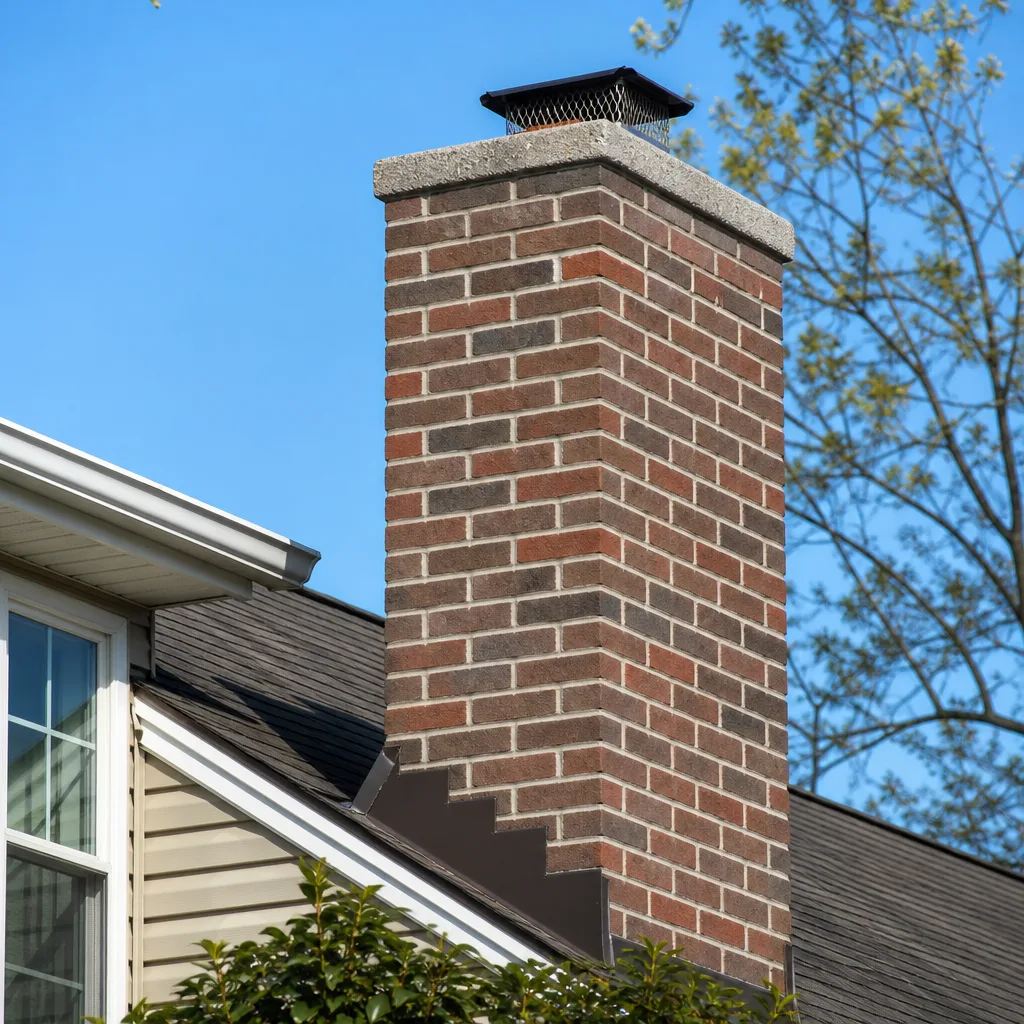 Masonry repair
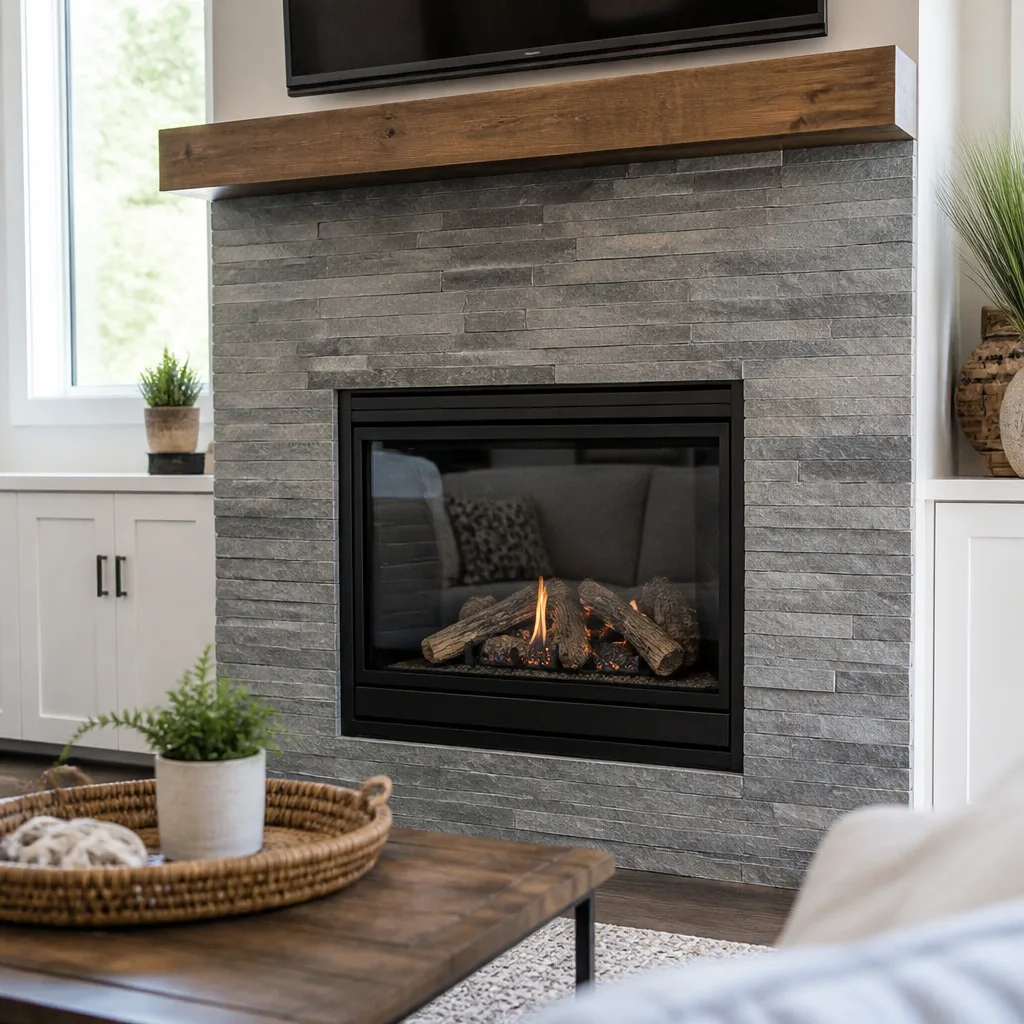 Gas fireplace service
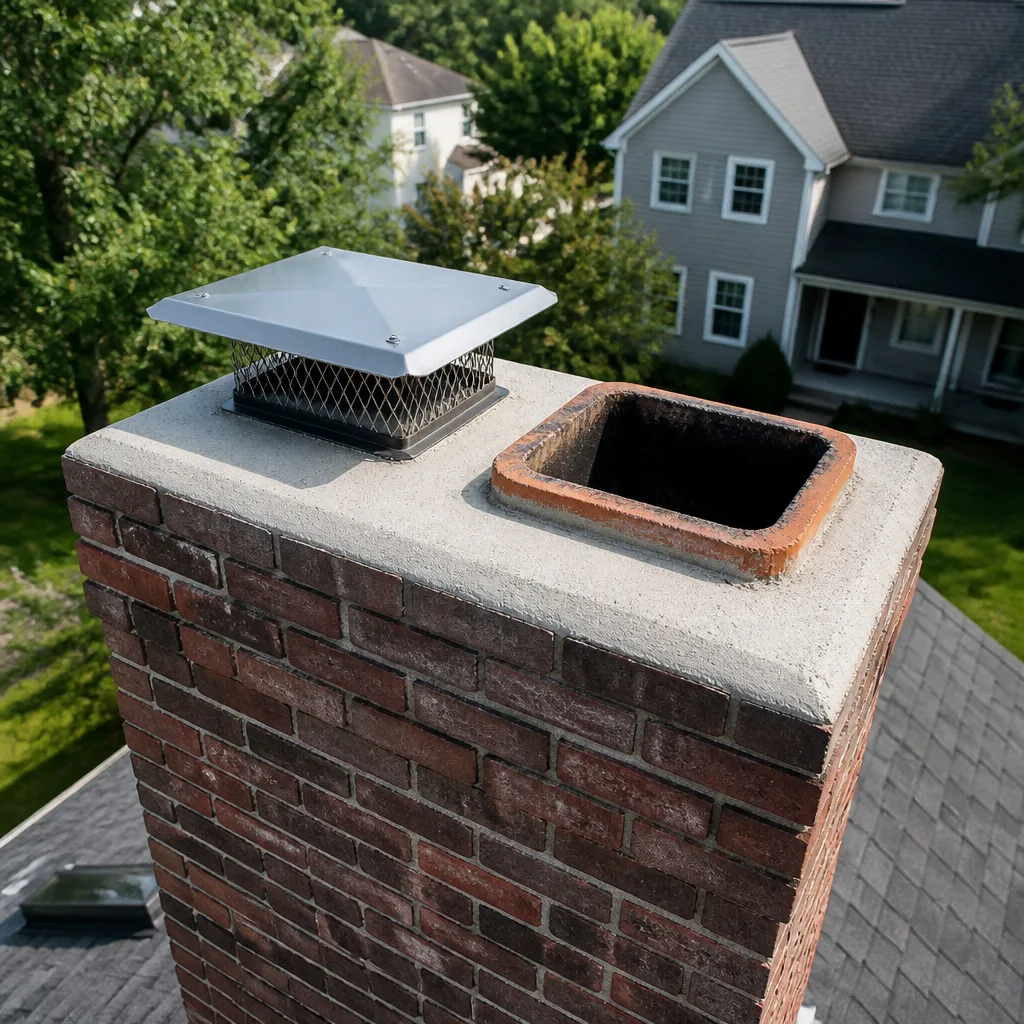
Level 1 sweep and inspection to the NFPA 211 annual standard - flue, crown, cap, and flashing checked and photographed
Chimney sweep logs do not sweep chimneys. They loosen some creosote - which then falls where a brush and vacuum still have to collect it.
Fast, Reliable Chimney Sweep Across Portola Hills
A chimney sweep in Portola Hills typically costs between $189 and $349 depending on what we find once we’re on the roof, and most appointments take 60 to 90 minutes. We work throughout the 92610 zip code, from the ridge-side streets above Santiago Canyon down to the tracts along Glenn Ranch Road. If you’ve been putting off an inspection because the fireplace only gets used a few times a year, that’s exactly the home we spend most of our time in out here. Call (855) 341-3461 and we’ll get you on the schedule.
Why Walnut Chimney Is Portola Hills’s Preferred Chimney Sweep Company
We know this community’s housing stock because we’re on these rooftops every week. Portola Hills was built out mostly between the mid-1980s and early 2000s, and the homes share a recognizable profile: two-story Mediterranean and Spanish-revival tract homes with stucco exteriors, tile roofing, and factory-built or masonry fireplaces that see light seasonal use. That changes what a sweep actually needs to be here. We’re not chipping out decades of heavy creosote. We’re checking caps, spark arrestors, and flue integrity on decorative fireplaces that haven’t been burned since last winter, and we’re looking for the issues that come with a canyon-adjacent location: ember intrusion, wind-blown debris, and bird activity.
Our Chimney Sweep team responds to Portola Hills calls from our Garden Grove base, typically scheduling within a few days, and we always confirm the appointment window before heading out. Russ Dempsey, who leads our team, has walked flues in every tract style Portola Hills has to offer, from the gated enclaves higher on the ridge to the attached homes with shared chases closer to the canyon floor. Customers here tell us the same thing: they want one company that can sweep, inspect, and actually repair what’s found without handing them a referral to someone else. That’s how we work.
Styles & brands we work with
Chimney Sweep Certified in Portola Hills
A Chimney Sweep Certified job in Portola Hills means we follow a defined inspection and cleaning protocol, not a quick brush-and-go. Up here, that protocol bends toward something specific: verifying the cap and spark arrestor are intact before we even think about creosote volume. The Santa Ana winds that come through the Santiago Canyon corridor are hard on chimney caps. We find cracked crowns, loosened mesh, and caps that have shifted on their mounting plate. When we certify a flue in this community, we’re checking that it’s clear of obstruction, structurally sound, and sealed against ember intrusion from the wildland-urban-interface that surrounds the 92610 boundary.
Level 2 Inspection With Camera
When a Portola Hills home changes hands, when there’s been a chimney fire, or when a wind event may have shifted something on the roof, we recommend a Level 2 inspection. This involves running a camera down the flue and looking at the interior from top to bottom. In attached tract construction, that camera often reveals more than one homeowner expects, including shared chase conditions and mortar joints that have opened up slowly over 20 or 30 years without anyone noticing.
Creosote and Soot Removal
Even with light seasonal burning, soot and first-degree creosote accumulate inside the flue and on the smoke shelf. We remove it with rotary brushes sized to the flue, then vacuum everything from the firebox outward. The goal is a flue that’s measurably clean, meaning we can show you the before and after with the camera if you want to see it.
Gas Fireplace Cleaning in Portola Hills
Gas Fireplace Cleaning in Portola Hills is a service we handle for the many homes here that switched from wood to gas or were built with factory-built gas units from the start. These fireplaces sit behind glass, and homeowners tend to assume they don’t need attention because there’s no wood smoke. That assumption leaves a lot of units running with dust-laden burner tubes, glass that’s filmed over from combustion byproducts, and venting that’s never been checked since installation. We break down the glass front, clean the burner and pilot assembly, vacuum the firebox, and inspect the venting path from the unit to the termination cap.
Factory-Built Unit Care
Most Portola Hills gas fireplaces are factory-built systems with specific clearances and venting requirements. We work on those units without treating them like masonry fireplaces. The cleaning is gentler, the inspection is detail-driven, and the parts we source come from professional-grade suppliers including Olympia Chimney rather than whatever generic replacement happens to be in stock.
Glass and Burner Service
Clouded glass and uneven flames are telltale signs a gas unit isn’t burning efficiently. We clean the interior glass surface with the right ceramic-glass cleaner, verify the burner ports are clear, and check the thermocouple and thermopile operation so the unit lights reliably the first time. This is the service that gets gas fireplaces in Portola Hills ready for the handful of nights a year they actually run.

Trusted Brands We Service in Portola Hills
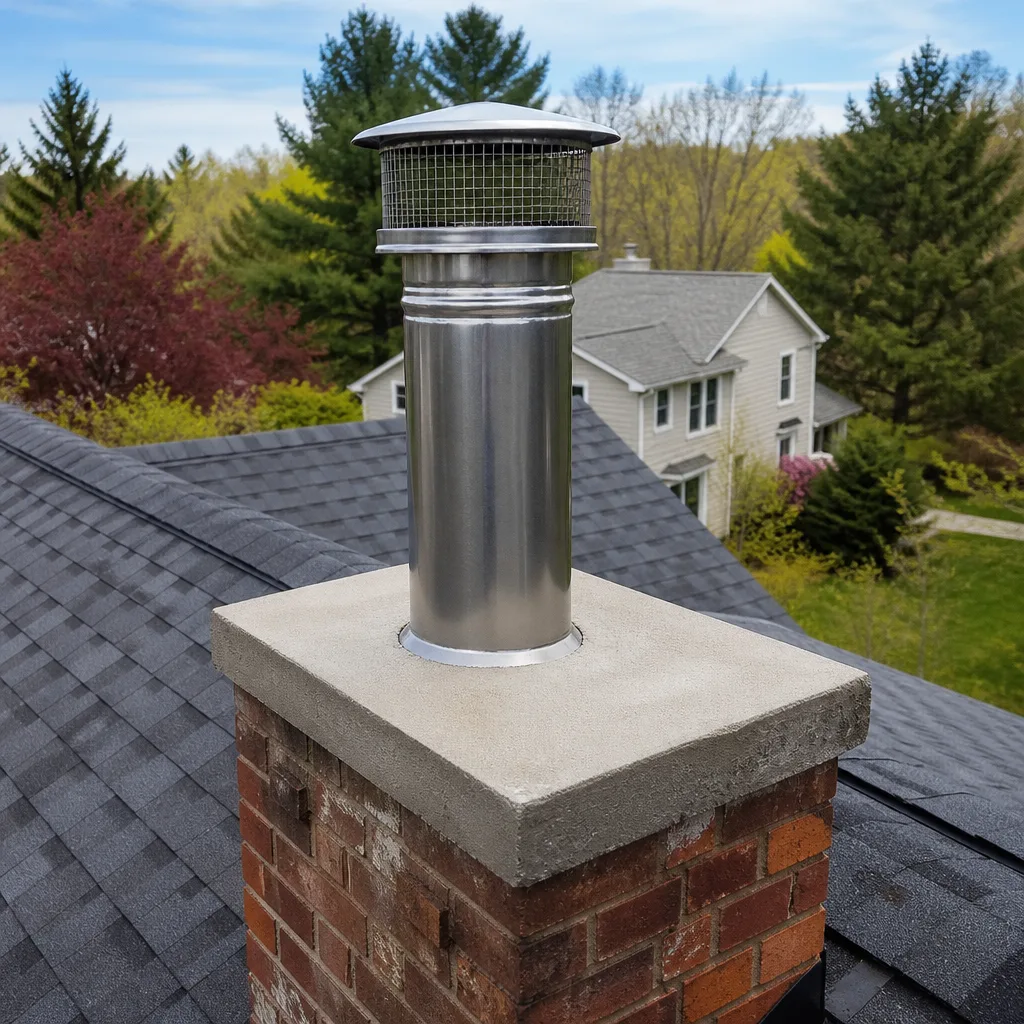
We work with professional-grade materials from HeatShield, DuraFlex, and Olympia Chimney because the fix for a 1990s tract home flue in Portola Hills is rarely a one-size-fits-all repair. HeatShield gives us a ceramic resurfacing option for flues with spalling or cracked clay liners, which beats tearing open a framed wall to replace the entire chase. DuraFlex flexible liner systems handle code-compliant relining when a flue has failed. Olympia Chimney supplies the caps, spark arrestors, and termination components we install on ridge-side homes throughout 92610. When we tell a Portola Hills homeowner what their chimney needs, we’re naming a material that’s already on our truck or a day away, not a vague “we can order that.”
See the difference
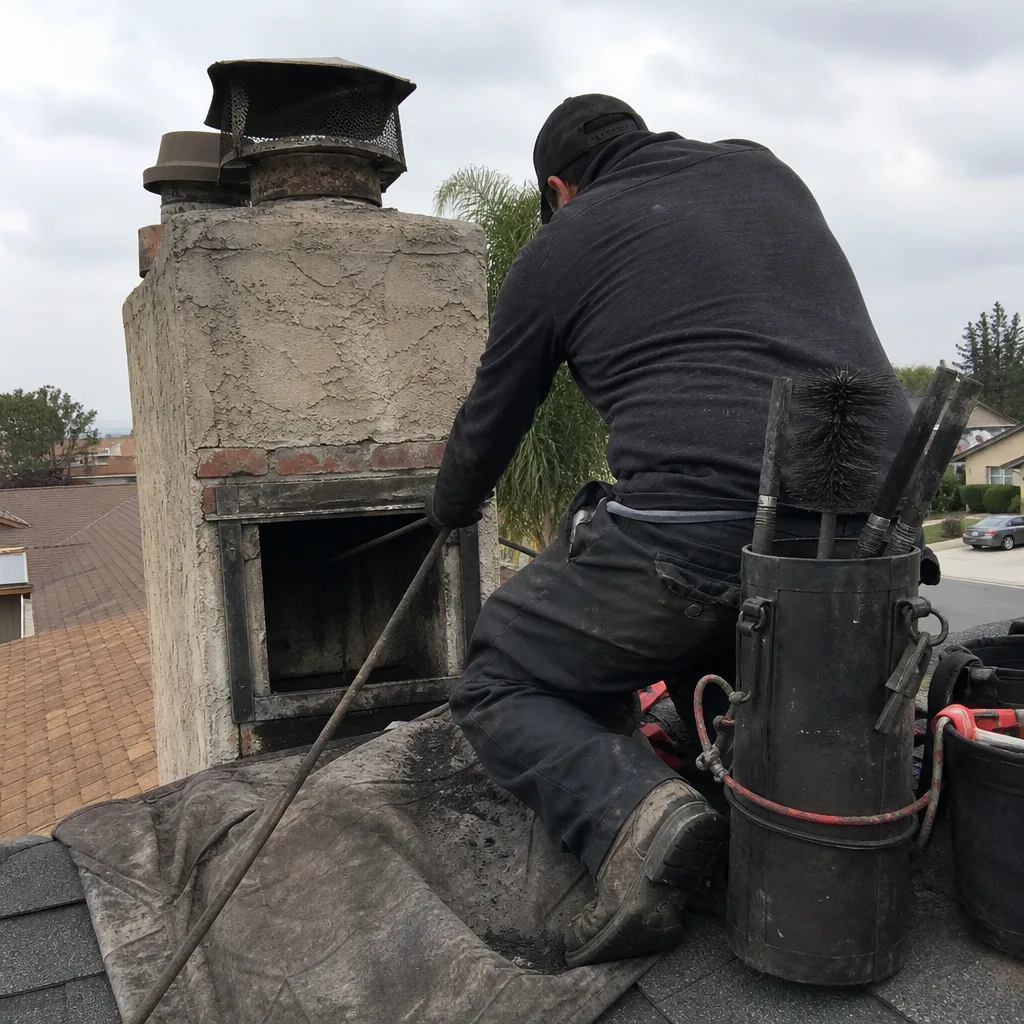 Before
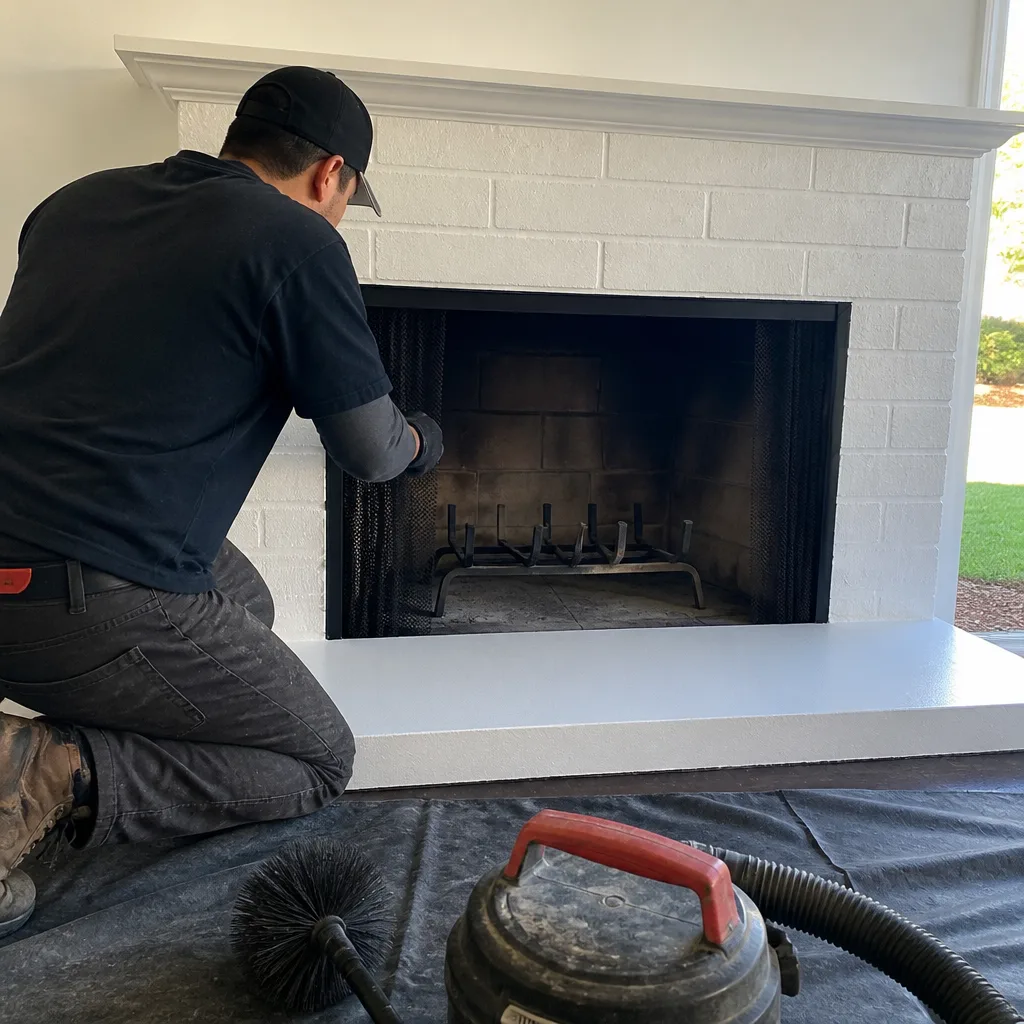 After
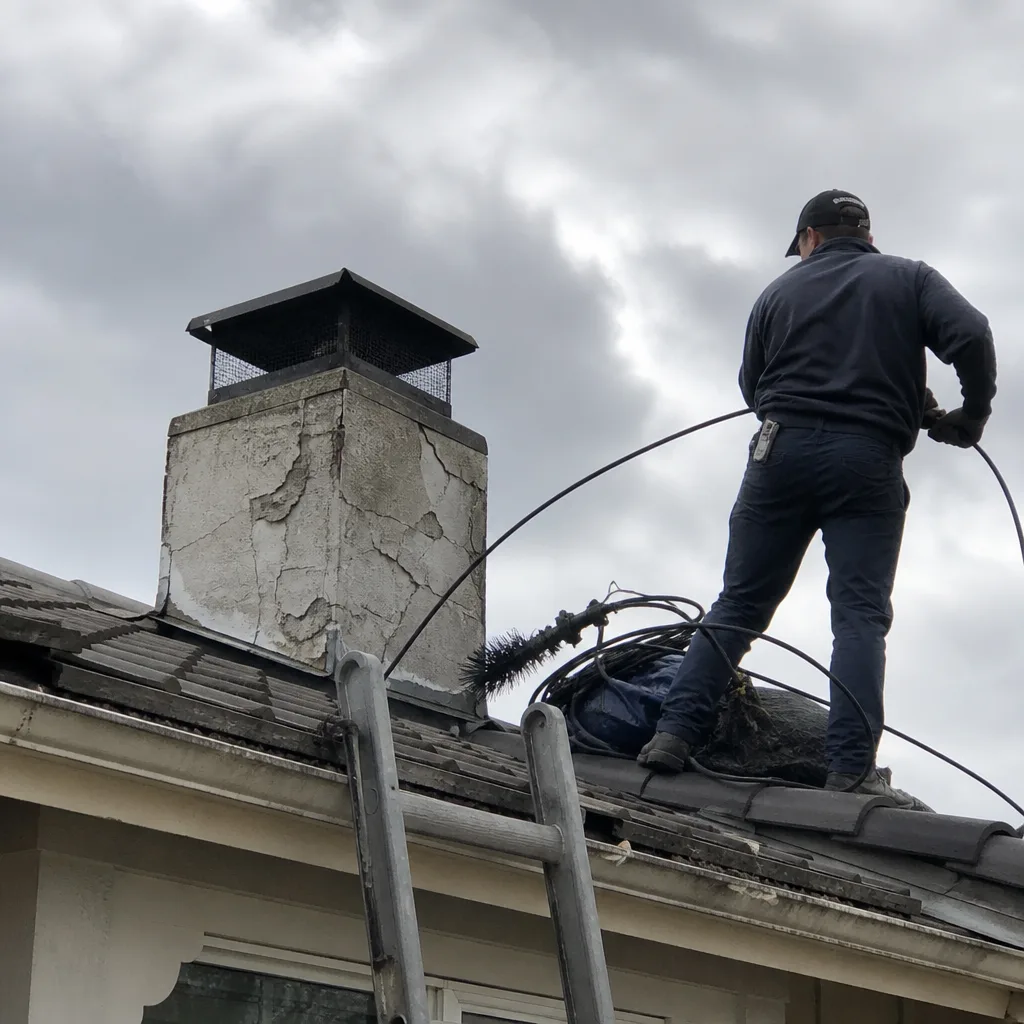 Before
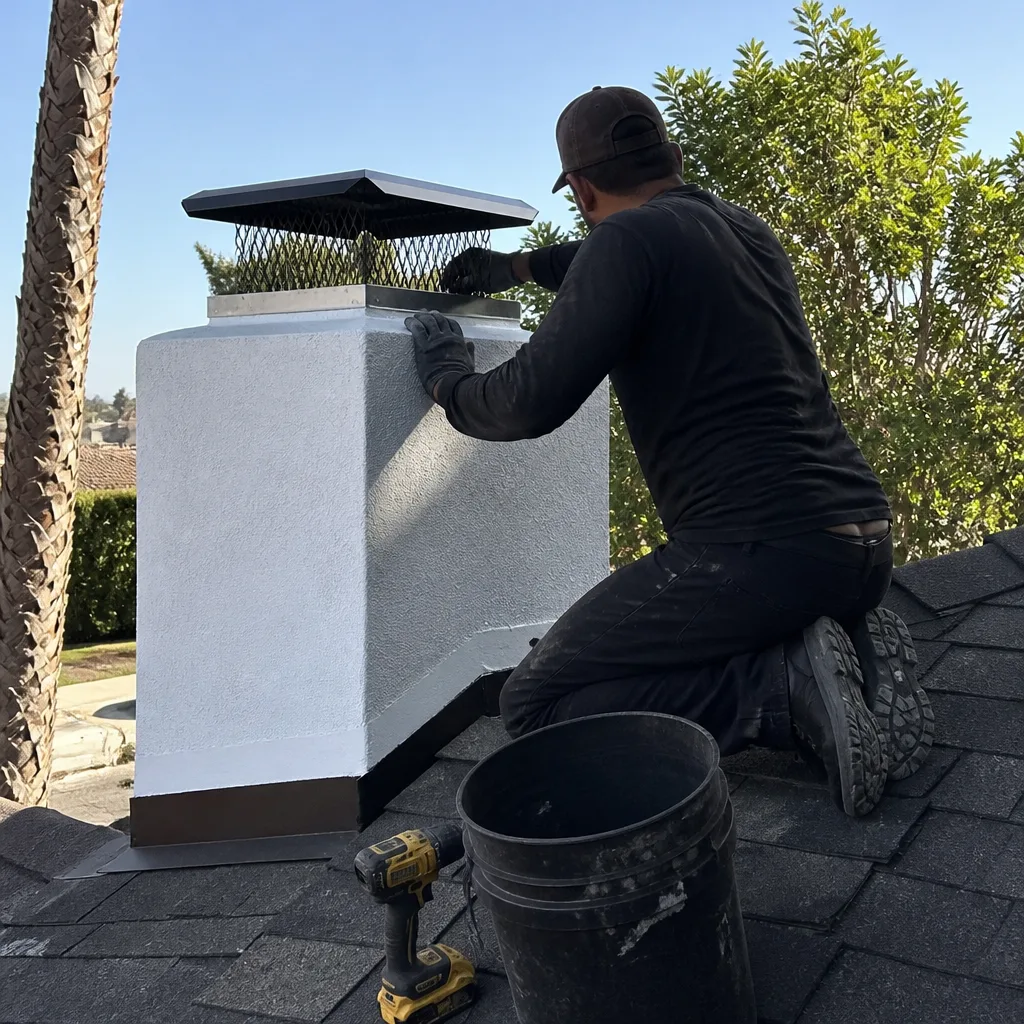 After
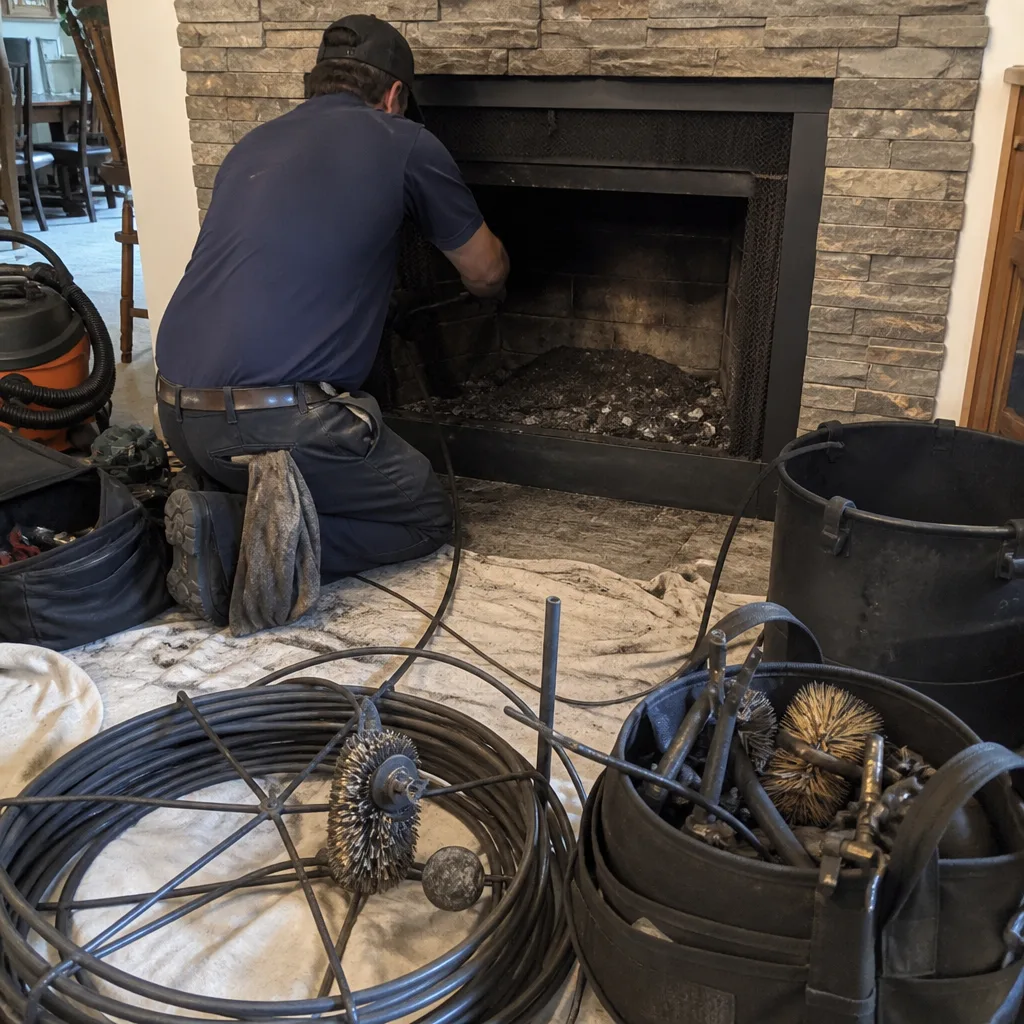 Before
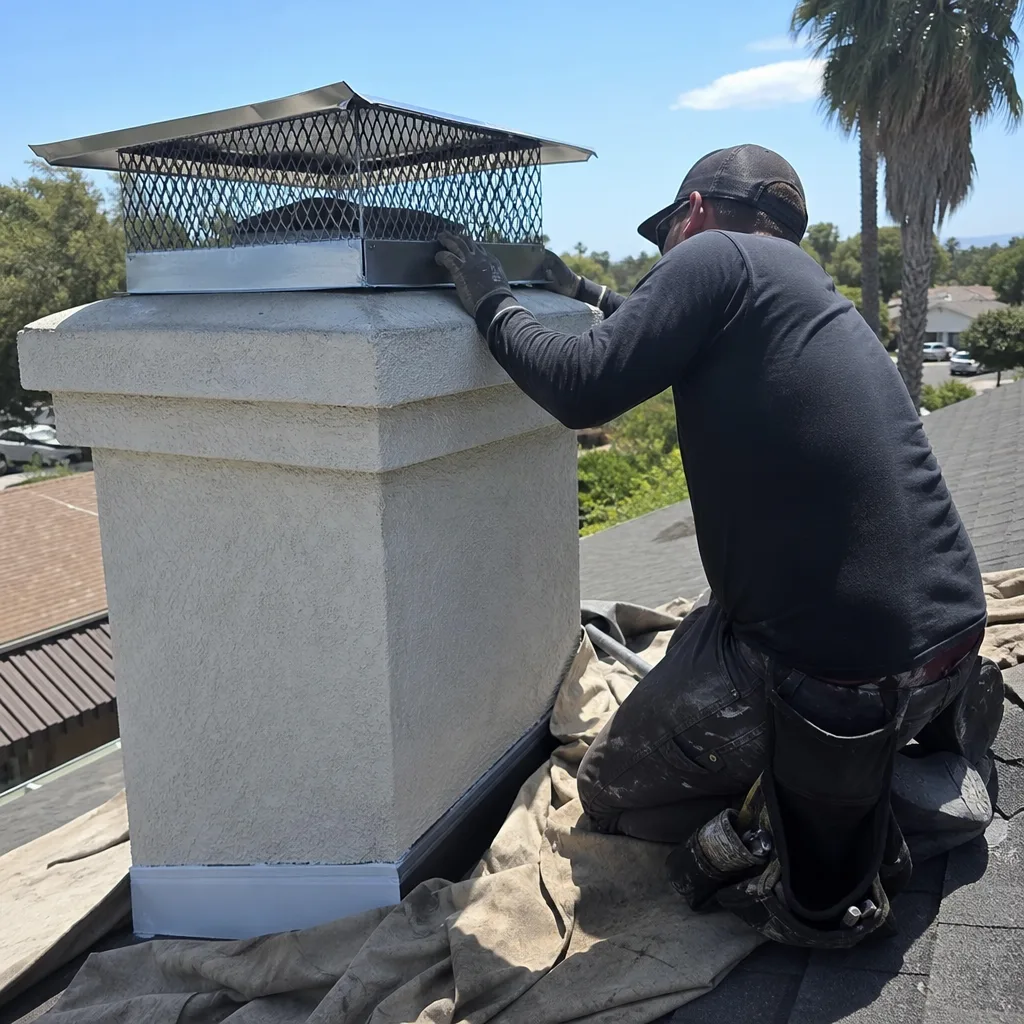 After
Common Chimney Sweep Problems We See in Portola Hills Homes
- Shared-chase cross-contamination. In attached and tightly spaced 1980s-2000s tract construction, flues can share a common chase or run adjacent within the same framed wall. When a neighboring unit’s gas appliance vents into that shared stack, you end up with odors, back-drafting, and combustion gases where they don’t belong. A standard brush-out will not fix this; it takes a camera inspection to document what’s actually happening.
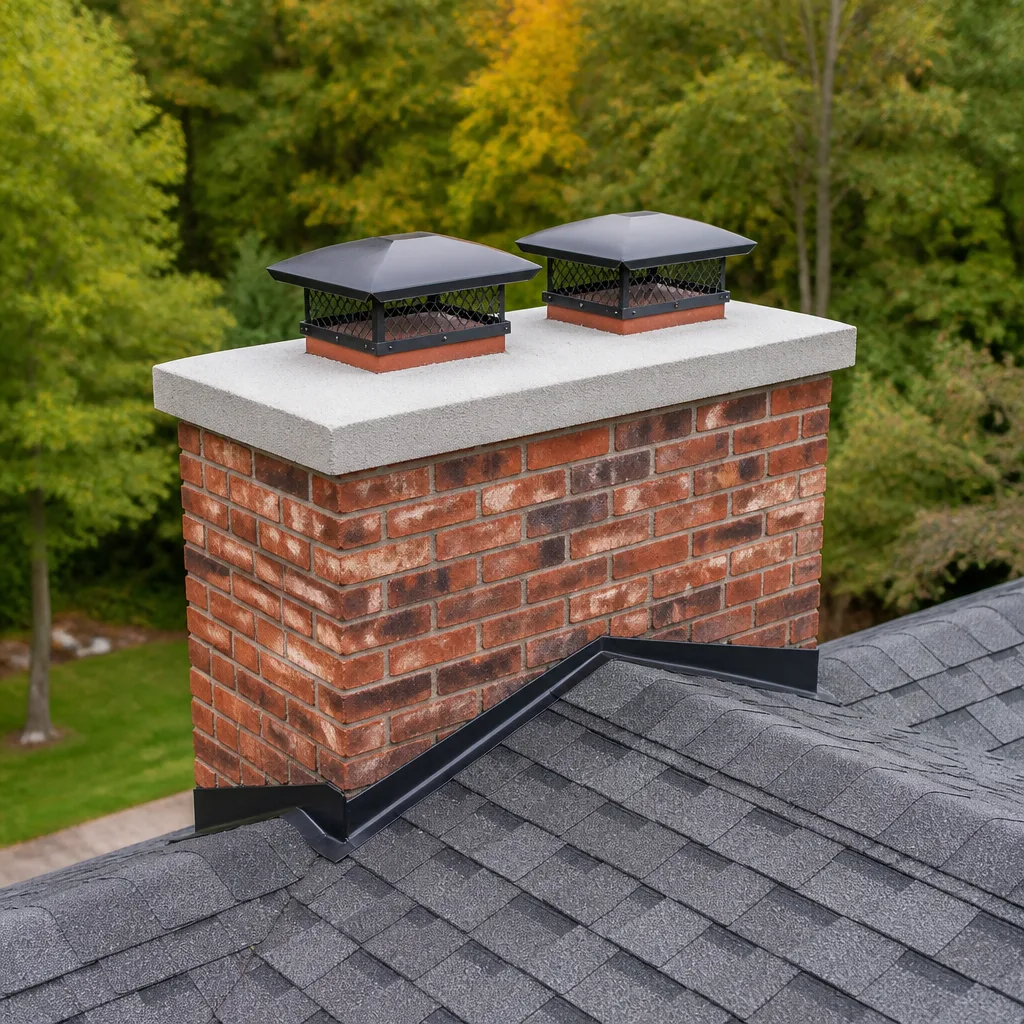
- Deteriorated caps after Santa Ana wind events. The winds that funnel through Santiago Canyon carry debris that batters rooftop components. We regularly find cracked clay caps, bent spark arrestor mesh, and dislodged rain caps on Portola Hills homes. Santa Ana season is when we get the calls, and it’s usually because someone smelled smoke or heard something clattering on the roof.
- Bird nests and wind-blown debris in rarely used flues. A fireplace that only burns a few times a year is an open invitation to birds looking for a protected cavity. We’ve pulled nests, palm fronds, and accumulated leaf litter out of flues that the homeowner believed were sealed. A cap only works if it’s intact and properly fitted.
- Spalling smoke chamber mortar. The smoke chamber sits right above the firebox and takes direct heat every time a fire burns. In 20-to-40-year-old masonry fireplaces across Portola Hills, we see parged surfaces that have begun to flake and erode. It’s a repair-level fix that most basic sweep companies don’t offer. We resurface with HeatShield ceramic material and the chamber is smooth and fire-rated again.
One situation we saw on a ridge-side street in the 92610 tracts captures a lot of what Portola Hills throws at us. Our tech responded to a post-Santa Ana call where a deteriorated clay chimney cap had let wind-blown debris and a bird nest block the flue of a factory-built fireplace. We pulled the nest, ran a Level 2 inspection with a camera, and found first-degree creosote plus a cracked crown. We replaced the cap with a WUI-rated spark arrestor and sealed the crown. The adjacent flue, shared in the same chase, showed no cross-contamination after we verified the damper seal and smoke chamber. The homeowner had called us for a sweep. The actual job was a structural repair, a WUI upgrade, and a verification that the neighbor’s venting wasn’t bleeding into their home. That’s the difference between a brush-out and what we actually do in Portola Hills.
Pricing for Chimney Sweep in Portola Hills, CA
A standard chimney sweep in Portola Hills runs $189 to $249 for a single flue with normal buildup from light seasonal use. A Level 2 camera inspection runs $299 to $349 when paired with a sweep and includes a written condition report with photos. Gas fireplace cleaning runs $169 to $229 depending on the unit. What moves the price: creosote degree, flue height, cap condition, and whether we’re addressing one flue or checking a shared chase with an adjacent unit. We quote the sweep or cleaning flat before we start, and if the inspection turns up repair work, we show you the camera footage and give you a written quote before any repair begins. Estimates are free. Call (855) 341-3461.
We Also Serve Cities Near Portola Hills
Walnut Chimney covers Portola Hills and the surrounding south Orange County foothill communities, including Foothill Ranch, Lake Forest, Mission Viejo, and Trabuco Canyon. If you’re in one of those areas and need a Chimney Sweep, the same team and the same professional-grade materials apply. Call us and we’ll confirm your area before we schedule.
Serving Portola Hills, CA — Our Local Coverage Area
We’re based in the Portola Hills area and know this community well. Use the map below to see our service coverage — if you’re nearby, we can almost certainly help.
FAQs About Chimney Sweep in Portola Hills
You can’t always tell from inside the house; the signs are usually persistent fireplace odors when you haven’t burned recently, smoke backing into the room, or a gas smell near the firebox that comes and goes. In attached tract construction where flues share a chase, a neighbor’s appliance venting into the wrong cavity can push those odors through the damper. A Level 2 camera inspection shows the interior of the flue and the adjacent chase condition, which is how we document cross-contamination before recommending a fix. Call (855) 341-3461 and we’ll schedule the inspection.
Because the threats to your flue in this area are mostly not from burning volume. Birds, wind-blown debris, and deteriorated caps in the 92610 tracts do damage even when the fireplace stays cold. A flue can be fire-hazardous with first-degree creosote and a blocked path after one summer season. Annual inspection, even without sweeping, catches the cap cracks and bird activity before they become a chimney fire or carbon monoxide problem.
Look for a spark arrestor mesh that’s intact with openings no larger than 5/8 inch, no visible cracks in the cap material whether clay or metal, and a cap that sits level and hasn’t shifted. If you can see gaps around the mounting or the mesh is rusted through in places, embers can get in. We install WUI-rated spark arrestors with the right mesh profile for canyon-edge exposure, which is a standard upgrade for Portola Hills homes going into fire season. Call (855) 341-3461 for an assessment.
Yes. Gas fireplace cleaning for factory-built units is a defined, careful process: we remove the glass front, clean the burner and pilot assembly, vacuum the firebox, and inspect the venting path without disassembling anything beyond what the manufacturer’s service procedure allows. We clean the glass with ceramic-glass-specific cleaner, not household glass spray, because the wrong chemical etches the surface. The work is done to the unit’s service spec, and we verify the pilot, thermocouple, and burner operation before we put it back together.
First-degree creosote is a dry, flaky soot that brushes out with standard rotary equipment; it’s what we find in most Portola Hills flues because burning is light and seasonal. Third-degree creosote is a hardened, shiny glaze that forms under high heat and low oxygen, typically from hot, frequent fires or extended smoldering. It resists brushing and often requires mechanical removal or chemical treatment. In this community, third-degree is rare but not absent, and a Level 2 inspection tells us which grade you’re dealing with before we start. Call (855) 341-3461 and we’ll take a look.
Written by Russ Dempsey, Owner at Walnut Chimney, serving Portola Hills and surrounding Orange County foothill communities.