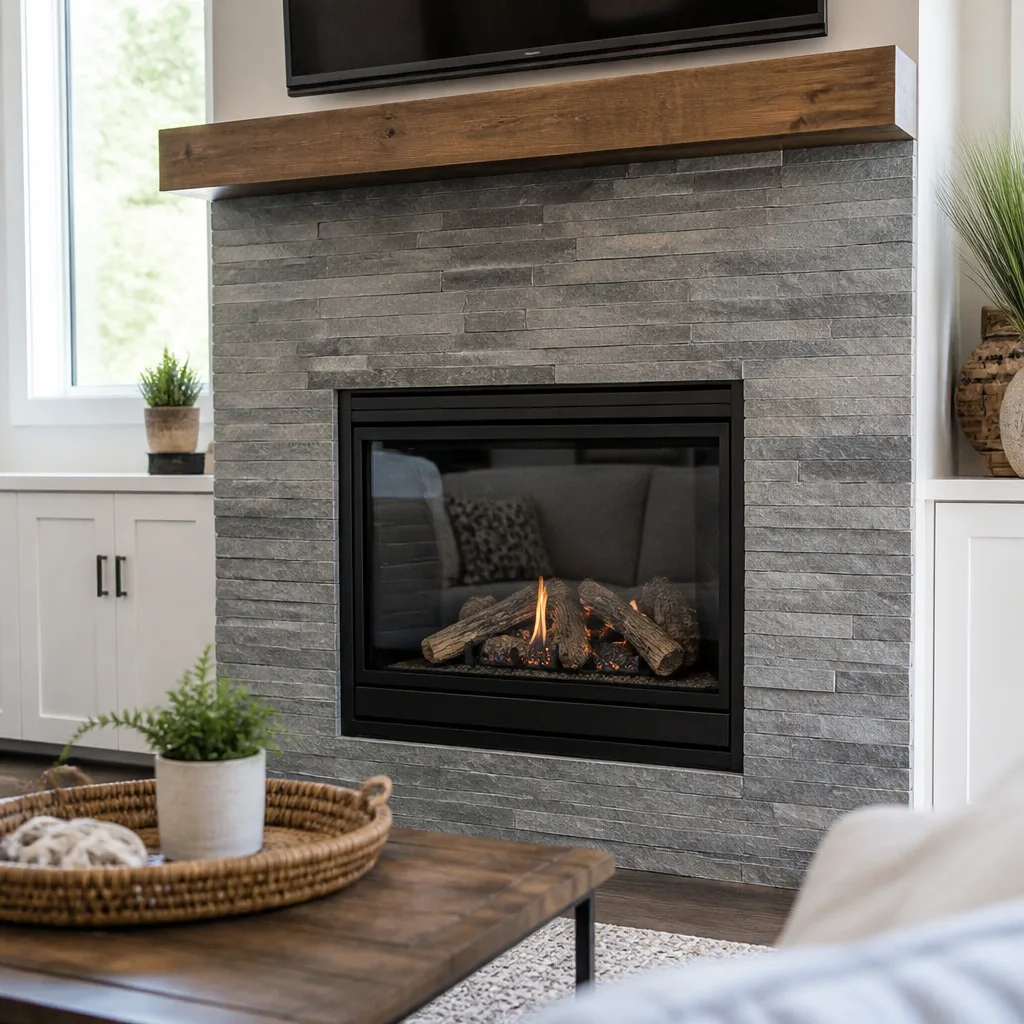
 Gas fireplace service
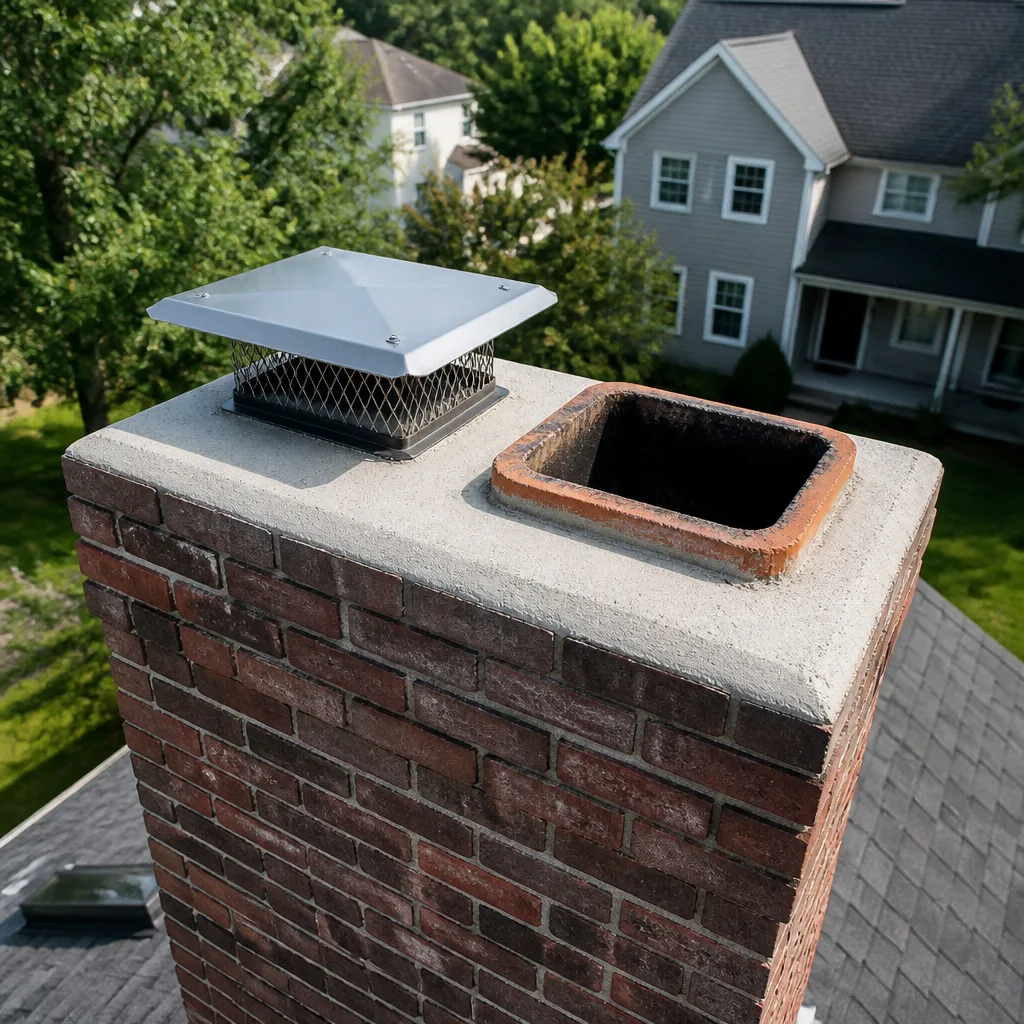 Sweep & inspection
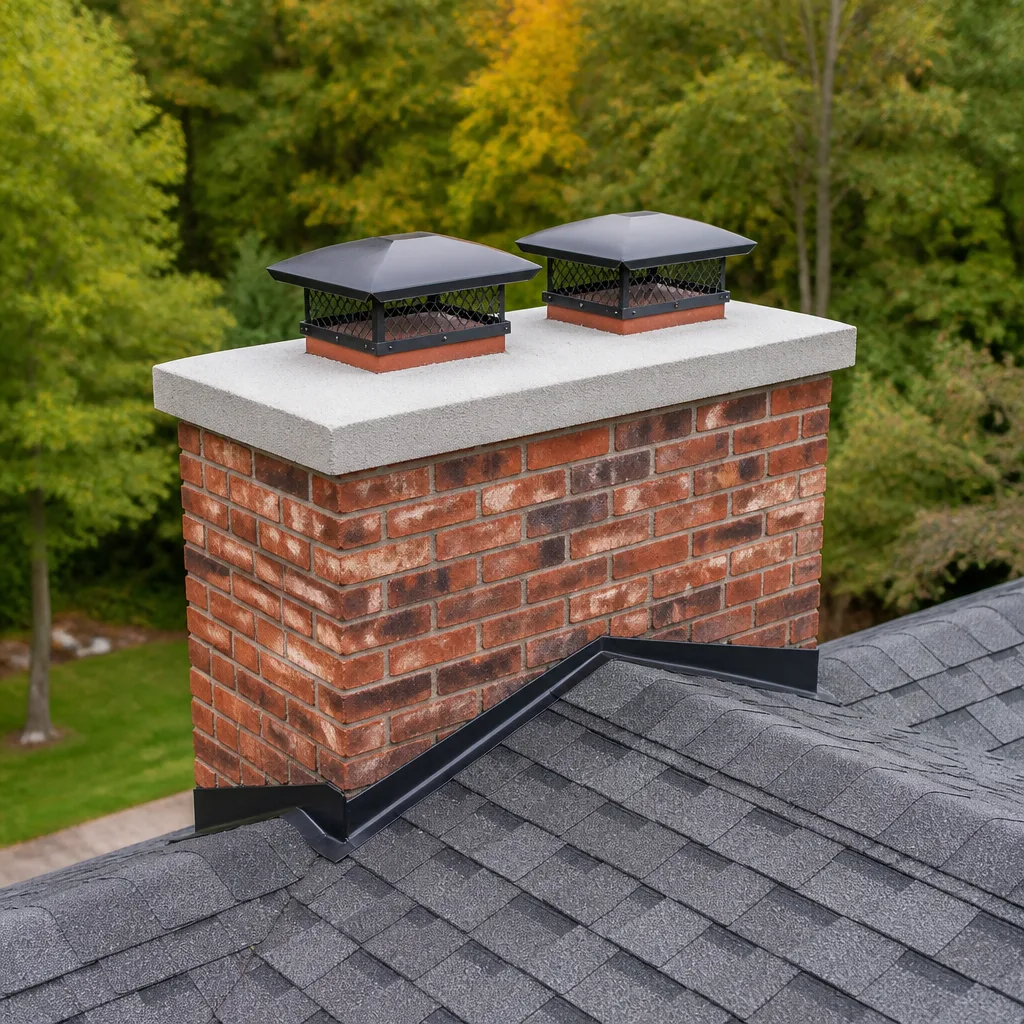 Caps & crowns
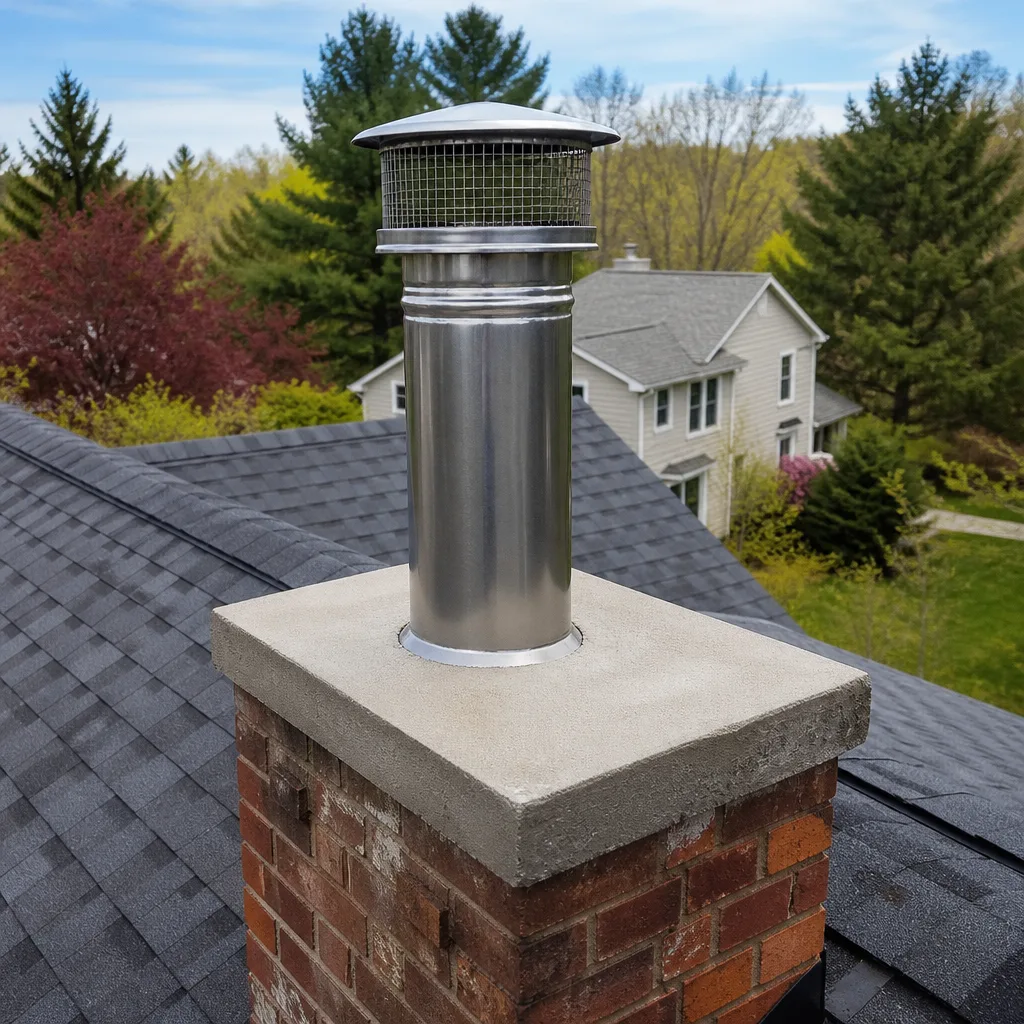 Flue relining
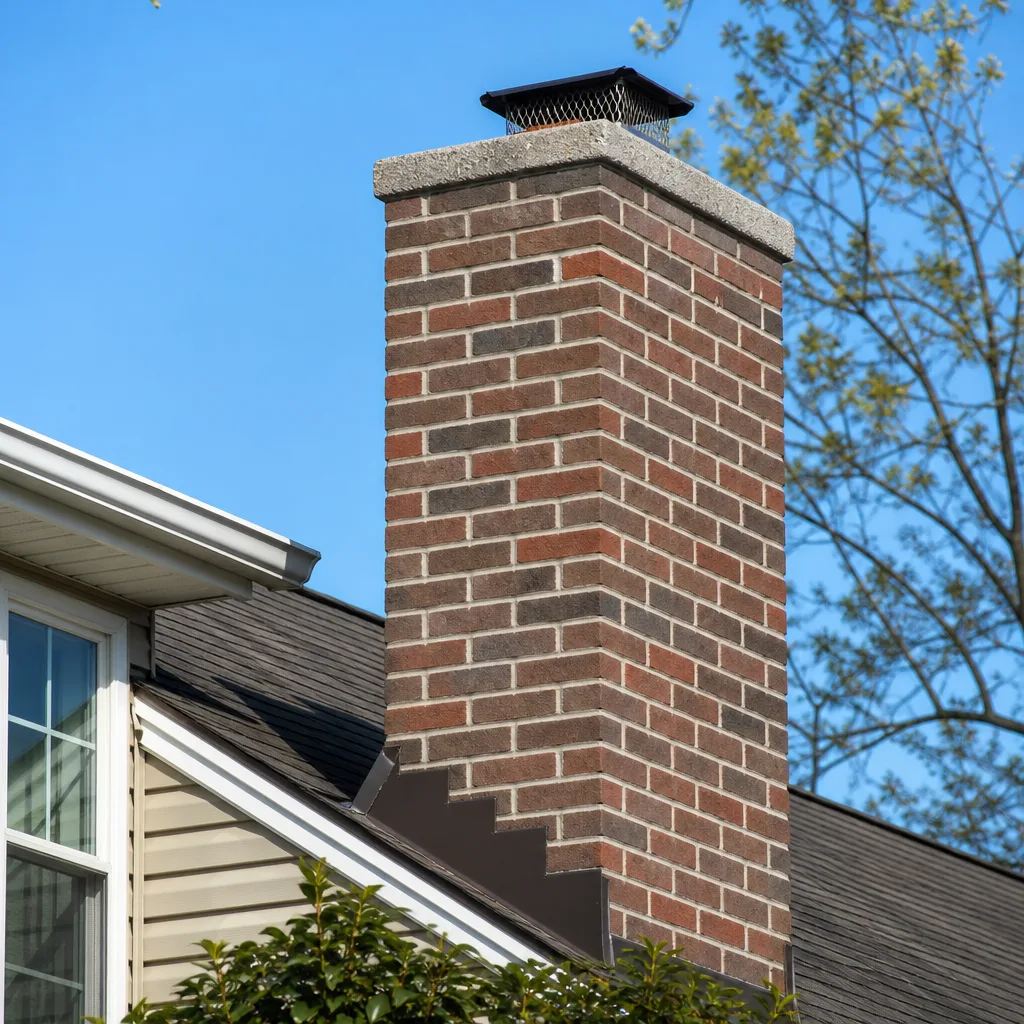 Masonry repair
Level 1 sweep and inspection to the NFPA 211 annual standard - flue, crown, cap, and flashing checked and photographed
Chimney sweep logs do not sweep chimneys. They loosen some creosote - which then falls where a brush and vacuum still have to collect it.
Why Walnut Homeowners Choose HeatShield Chimney Cleaning
We provide independent HeatShield chimney cleaning, inspection, and repair service for homes across Walnut, CA. Our crew works with HeatShield cast-in-place refractory liners and stainless relining systems regularly, which means we know how they age, where they fail, and what a proper cleaning actually requires. We’re not affiliated with or authorized by HeatShield, and that’s the point of this page: we evaluate whether a HeatShield liner is actually sound rather than assuming the brand name means everything’s fine. If you have a HeatShield system in Walnut and want straight answers, call (855) 341-3461.

Walnut’s housing stock shapes what we see. Most homes here were built between the late 1980s and 2000s, and a lot of them have direct-vent gas fireplaces or factory-built wood-burning inserts instead of full masonry chimneys. When a HeatShield liner is present, it’s often inside a wood-framed chase enclosure that runs up the exterior wall. That matters, because dry-wood termites and Santa Ana wind-driven debris find their way into those chases, and what starts as a pest or leaf problem can compromise the liner’s top plate and cap. We’ve pulled eucalyptus leaves, ash, and rodent nests out of enough Walnut flues to know the routine.
Why Trust Walnut Chimney for Your HeatShield Chimney Cleaning?
HeatShield liners are not all the same, and neither is the service they need. The cast-in-place system is a poured cementitious liner that hardens inside the existing flue. It’s designed to seal gaps in old clay tile and restore structural integrity. The stainless system is a rigid or flexible steel liner with an insulation wrap. Both require different cleaning approaches, and both fail in specific ways when installed improperly or left unmaintained. Our techs know the difference between a HeatShield liner that needs a standard sweep and one that needs camera inspection because the surface is spalling or pulling away from the flue wall.
Russ Dempsey, our owner, grew up off Amar Road in Walnut and still lives about ten minutes from where he learned to ride a bike. He picked up sheet metal and venting fundamentals through the HVAC program at Citrus College in Glendora, then spent years doing fireplace retrofits on older ranch homes across the San Gabriel Valley before focusing on chimneys full time. That background matters with HeatShield systems, because a liner is only as good as the connection between the firebox, the flue, and the cap. Russ teaches our techs to look at the whole system, not just the part with the brand name on it. If the flue’s clean and the draft is right, everything else takes care of itself.
Styles & brands we work with
Common HeatShield Chimney Cleaning Problems We Fix in Walnut
- Cracked cast-in-place liner at flue offsets. Where a HeatShield poured liner transitions direction inside the flue, the cementitious material is under constant thermal stress. In Walnut’s dry summers followed by cool, damp winter months, that expansion and contraction cycle can crack the liner at the offset. The crack lets creosote pack behind the lining where a standard brush can’t reach. We find this with a Level 2 camera inspection, then remove the creosote and repair the section before it becomes a chimney fire risk.
- Liner pulling away from the flue wall. We’ve seen cast-in-place HeatShield linings delaminate from the original clay tile when the flue wasn’t cleaned or roughened properly before installation. The gap that forms lets heat and creosote migrate behind the liner, which defeats the whole purpose of having it. On Walnut homes with rarely used fireplaces, this problem sits dormant for years until a homeowner notices a smoky odor or a stain on the exterior chase.
- Deterioration at the crown joint and rain cap connection. The top few inches of a HeatShield system take the most abuse. Water pools at the crown, seeps under the cap, and works its way down between the liner and the original flue. Walnut’s winter rain isn’t heavy, but it’s consistent enough that a small crown crack can cause years of slow damage. During cleaning, we always inspect the crown joint and cap flashing and reseal as needed.
- Loose or missing top plate fasteners on stainless systems. HeatShield stainless relining systems use a top plate to anchor the liner at the flue opening. When fasteners work loose, you get rattling on windy days, draft loss, and water entry. On Walnut homes near the 60 Freeway corridor, Santa Ana winds rattle these plates hard enough to pull screws. We torque and reseat top plates during routine service to prevent the liner from shifting.
- Chase enclosure debris intrusion. Walnut’s Mediterranean and Spanish-style tract homes often hide HeatShield liners inside stucco-finished wood chases. Leaf litter, wood chips from construction, and rodent nests accumulate at the base of the chase and around the termination. That debris blocks airflow, holds moisture against the liner, and creates an ember hazard. Cleaning means clearing the chase cavity and the vent termination, not just sweeping the flue.
HeatShield Parts & Our Repair-vs-Replace Approach
When a HeatShield system needs parts, we have a clear approach. We use HeatShield-compatible OEM components for liner repair, damper work, cap replacement, and top-plate service wherever those parts are available and make sense for the job. When OEM parts aren’t practical to source quickly, we use quality aftermarket components that meet the same spec requirements. We tell you which we’re using and why. No mystery parts, no markup games. We keep common HeatShield-compatible top plates, cap assemblies, and damper components stocked for faster turnaround on Walnut service calls.
Repair-versus-replace is an honest conversation on every job. If the HeatShield liner is cracked at one offset but the rest of the surface is sound and the flue structure is intact, we repair that section. If the lining has pulled away in multiple places, the crown is compromised, or creosote has saturated behind the liner, we recommend a full relining or rebuild. Our rule is simple: we don’t recommend work you can’t verify. Your camera inspection report shows you exactly what we see. Call (855) 341-3461 to schedule a Level 2 inspection and get a straight answer.
Our HeatShield Service Process – Step by Step
- 1
Assessment and Level 2 inspection. We start with a camera run through the HeatShield liner, checking for cracks, delamination, top-plate issues, and creosote buildup. On Walnut homes with exterior chases, we also inspect the chase cavity and termination. You see the footage we see.
- 2
Creosote removal and flue cleaning. HeatShield cast-in-place liners need brushes sized for a poured cementitious surface, not clay tile. Stainless systems use a different brush entirely. We match the tool to the liner so we don’t scar the surface or leave residue that holds creosote.
- 3
Repair or component replacement. If we find a cracked section, loose top plate, or failed cap, we repair it with HeatShield-compatible OEM or quality aftermarket parts. Liner repair is done section by section, not by tearing out everything that’s still working.
- 4
Waterproofing and termination work. Walnut’s winter rain gets into small cracks and sits there. We apply chimney waterproofing to exterior masonry and chase surfaces, and we reseal crown joints and cap flashing to keep water out of the liner assembly.
- 5
Draft test and final report. We test the draft before we leave, document everything in a written report with photos, and walk you through any remaining issues. You get a record of the service that stands up if you ever sell the home.
See the difference
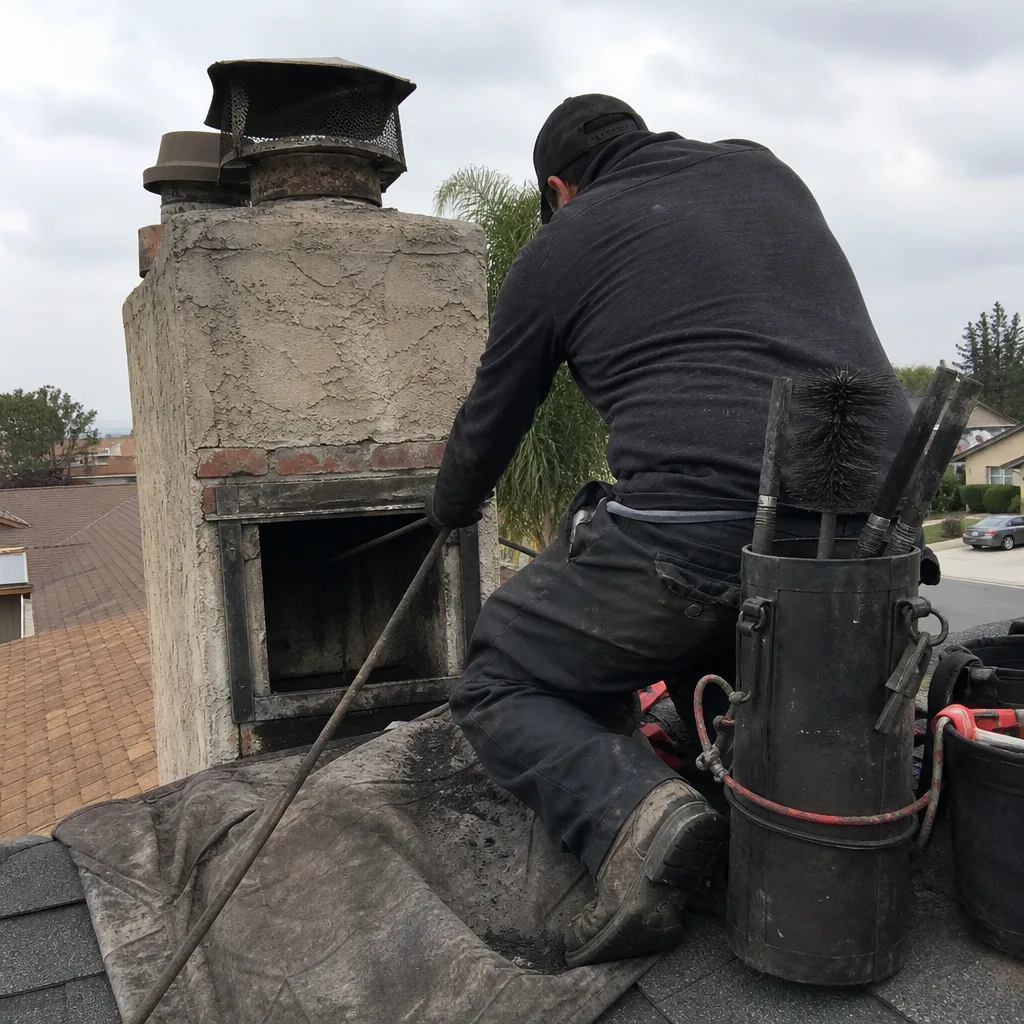 Before
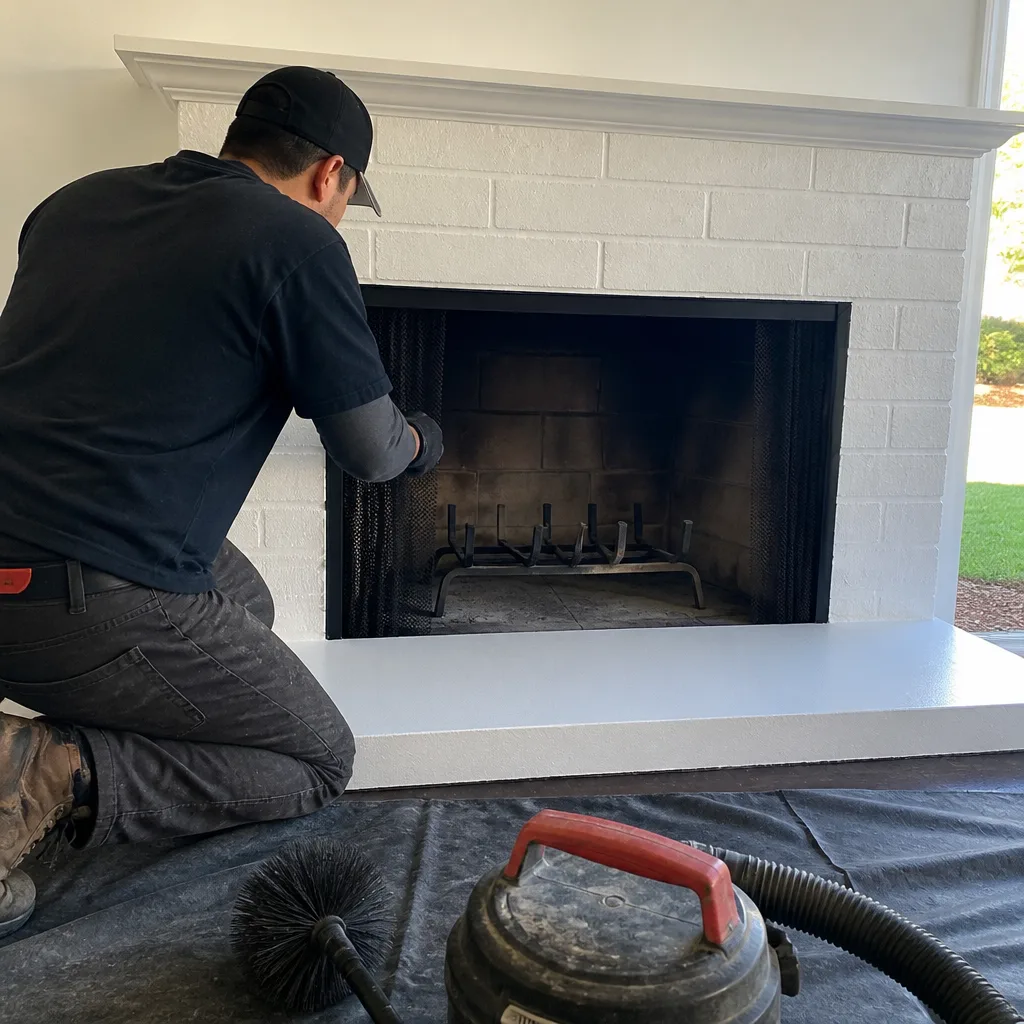 After
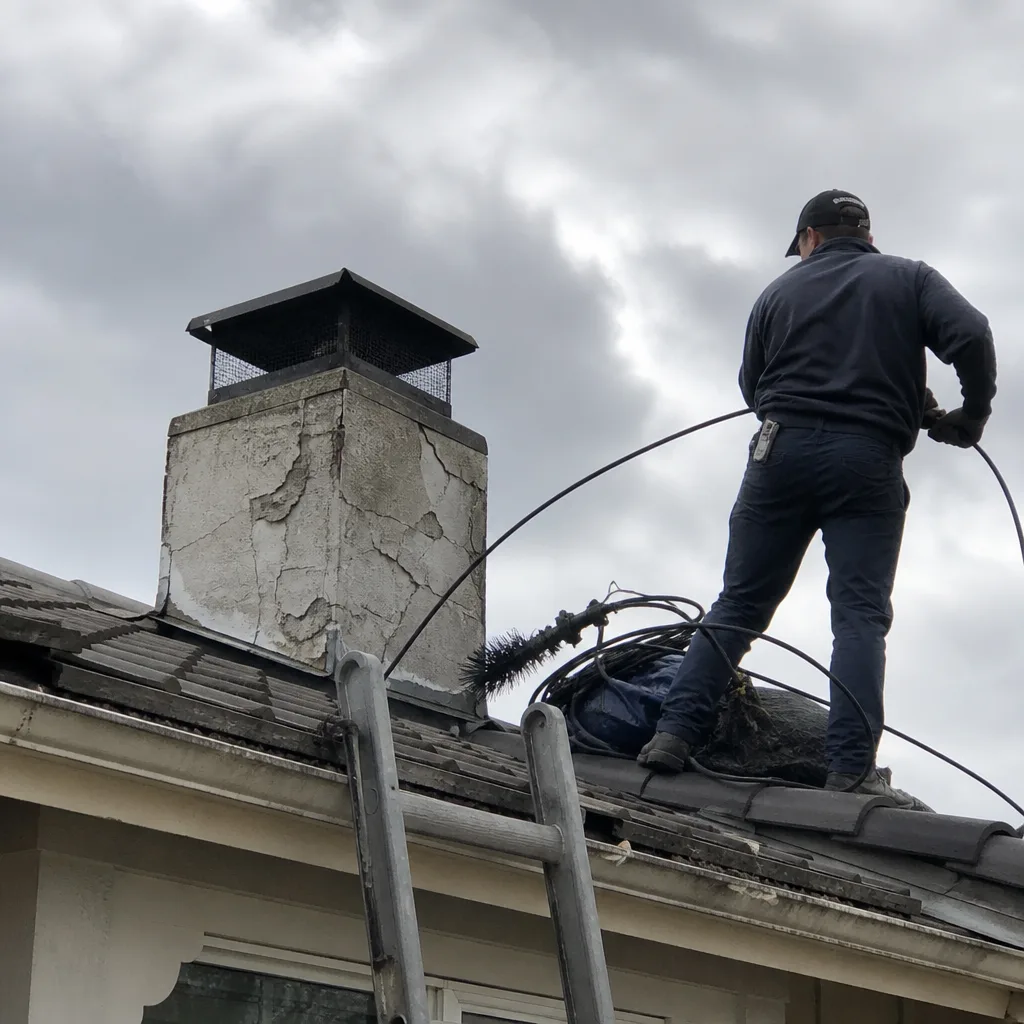 Before
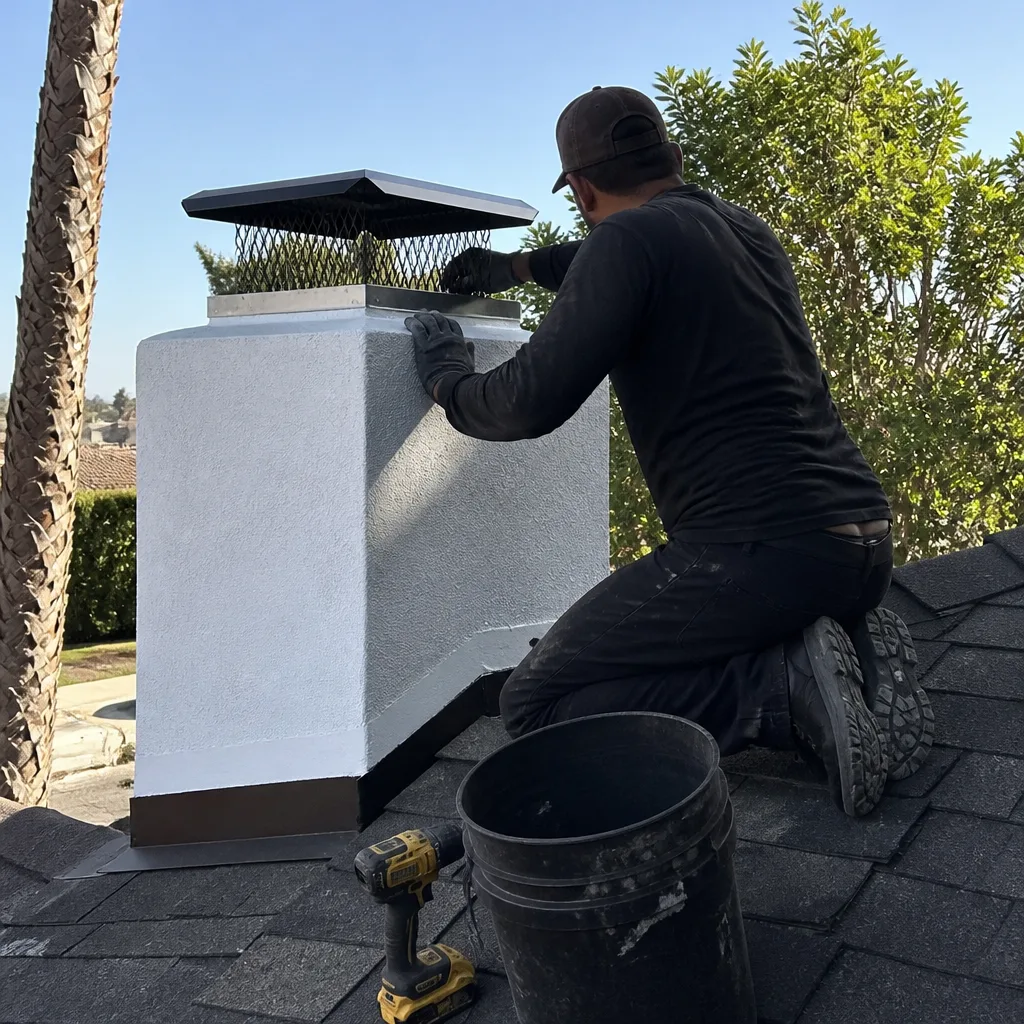 After
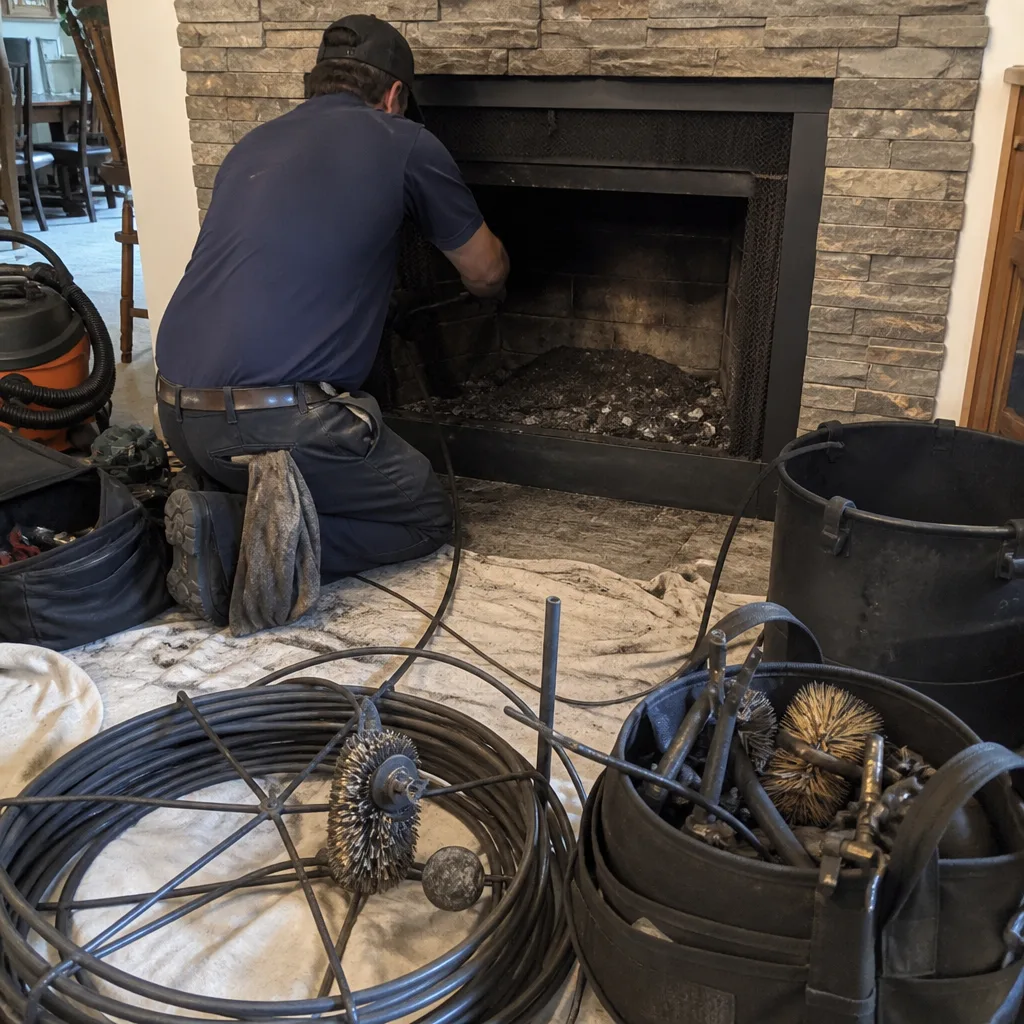 Before
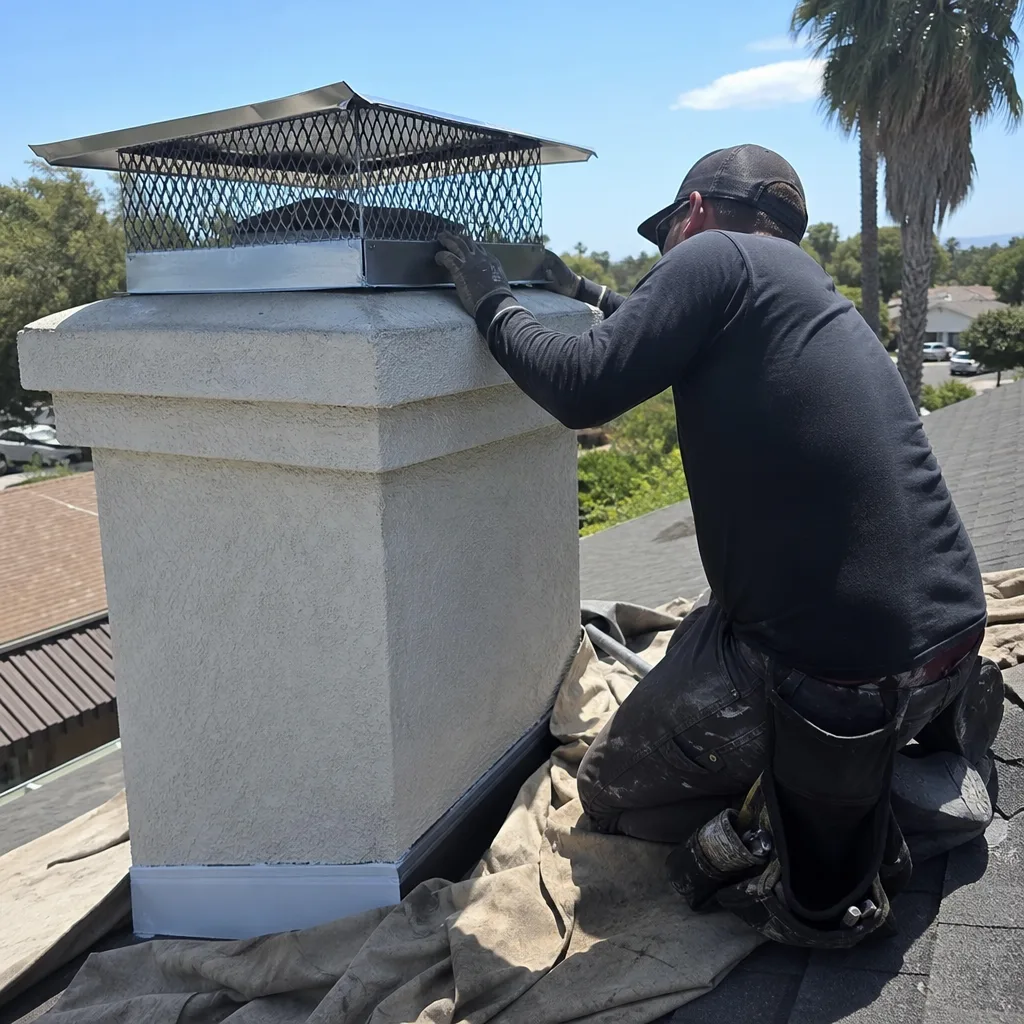 After
HeatShield Products We Service & Install in Walnut
Our crew works on the full HeatShield product range: cast-in-place insulating refractory liners, stainless steel relining systems with insulation wrap, sweep-and-seal restoration of deteriorated flue interiors, and fireplace damper and top-sealing assembly components. We install HeatShield-compatible liners and repair existing ones. On new installs, we also carry DuraFlex flexible liner systems and Gelco components, which gives us the right material for the specific flue configuration rather than forcing one manufacturer’s product into every situation, whether here or on our HeatShield in Westminster jobs. For Walnut homeowners with tile roofs and tricky access, we stock what we need to complete most jobs without a second trip.
We Also Service These Brands
Our shop is built around professional-grade materials, not a single brand. Alongside HeatShield, we work with DuraFlex flexible liner systems and Gelco caps, covers, and venting components. That matters when your HeatShield system needs a part HeatShield doesn’t make, or when the right repair is a different product entirely. We carry what the job needs, and we tell you which brand and why.
FAQs – HeatShield Chimney Cleaning Service in Walnut
Yes. HeatShield cast-in-place liners have a cementitious surface that requires a brush matched to the liner material, not a standard clay tile brush. Using the wrong brush can scar the surface and create ledges where creosote collects. Stainless HeatShield systems need a poly or steel brush sized to the liner diameter. Our techs carry both and choose based on the system in front of them. If you’re not sure which HeatShield liner you have, call (855) 341-3461 and we’ll check during a standard sweep.
Look for a smoky smell in the house after the fire is out, staining on the ceiling near the chimney chase, or water in the firebox after rain. These all suggest a crack or gap in the liner. A failed top plate or cap can also cause rattling on windy days. The only way to know for sure is a Level 2 camera inspection, which shows cracked sections, delamination, and creosote behind the liner. If you’re seeing any of those signs in Walnut, call us at (855) 341-3461 before you light the next fire.
We do both. We install HeatShield-compatible cast-in-place and stainless relining systems, and we service and repair existing ones. If your HeatShield liner has failed structurally, we’ll walk you through a full reline. If only a section is damaged, we repair that section. The camera report determines the scope, not a sales target.
The top plate anchors the liner at the flue opening and seals the gap between the liner and the original flue wall. A loose or missing top plate lets air move the wrong way, which disrupts draft and lets moisture in. That moisture combines with creosote to form an acidic paste that attacks the liner surface. We inspect the top plate and cap on every HeatShield service call in Walnut—and on every Midway City HeatShield service call—because it’s a cheap fix that prevents expensive liner damage.
Yes, and the reason is Walnut’s specific weather pattern. Summers here are hot and dry, which can open small cracks in masonry and crown joints. Winter brings intermittent rain that gets into those cracks and causes freeze-thaw damage, even if temperatures rarely drop below freezing. Waterproofing seals the masonry surface and crown joint, keeping water from reaching the HeatShield liner assembly. It’s a standard part of our HeatShield service—and our HeatShield in Stanton work—when we find exposed masonry or a crown in rough shape. Call (855) 341-3461 and we’ll evaluate whether your chimney needs it.
HeatShield cleaning cost depends on the liner type, the condition of the system, and whether we’re doing a standard sweep or a Level 2 inspection with camera work. A simple cleaning on a well-maintained stainless system runs less than a cast-in-place liner that needs section repair and top-plate work. We don’t quote prices sight unseen, because the right number depends on what the camera shows. Estimates are free. Call (855) 341-3461 and we’ll give you a number specific to your HeatShield system.
Book Your HeatShield Service in Walnut, CA
Walnut Chimney provides independent HeatShield chimney cleaning, inspection, repair, and installation across 91788, 91789, and 91795, plus Garden Grove HeatShield service. We work on cast-in-place and stainless HeatShield systems, with Level 2 inspection, creosote removal, and chimney waterproofing available on every call. No manufacturer authorization, no upselling, just a camera report you can see and a straight answer about what your flue needs. Call (855) 341-3461 for a free estimate.
Written by Russ Dempsey, Owner at Walnut Chimney, serving Walnut and the San Gabriel Valley with HeatShield chimney service.