Last updated October 31, 2026
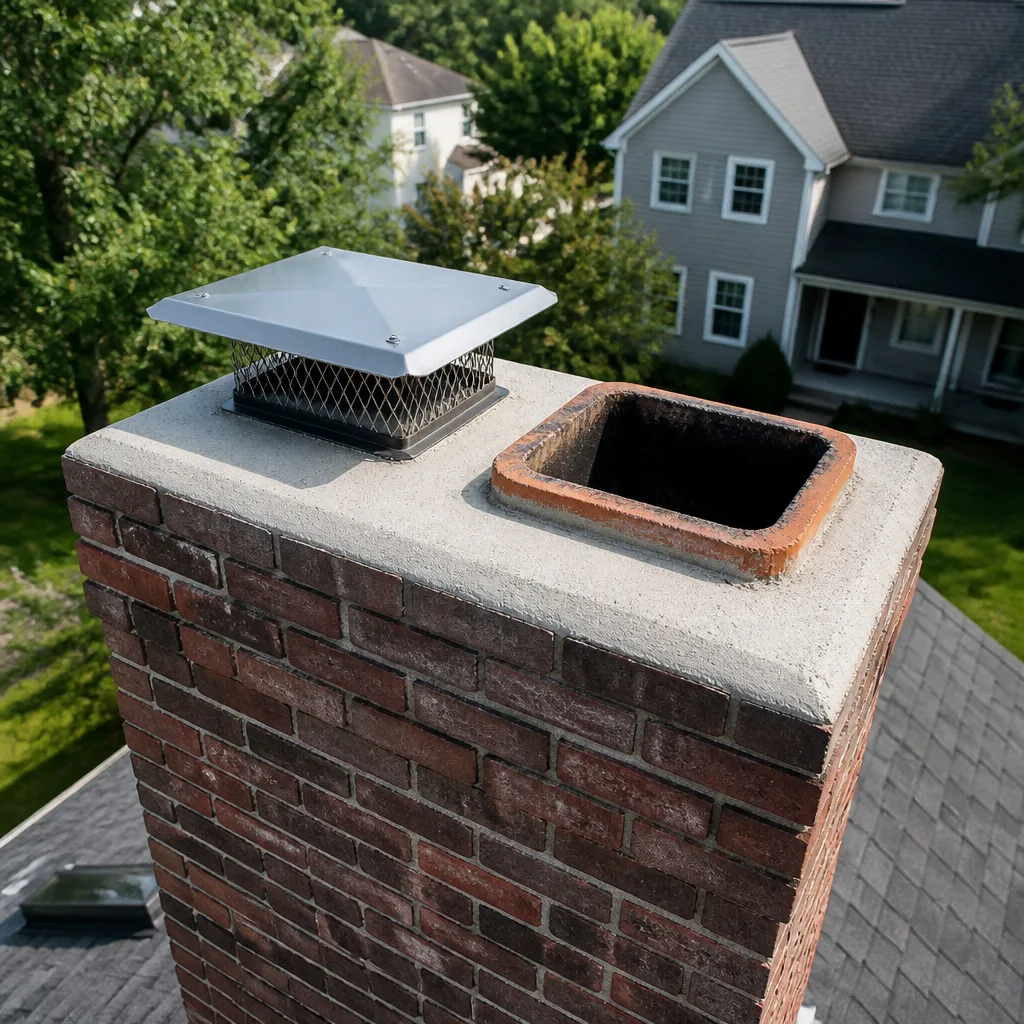 Sweep & inspection
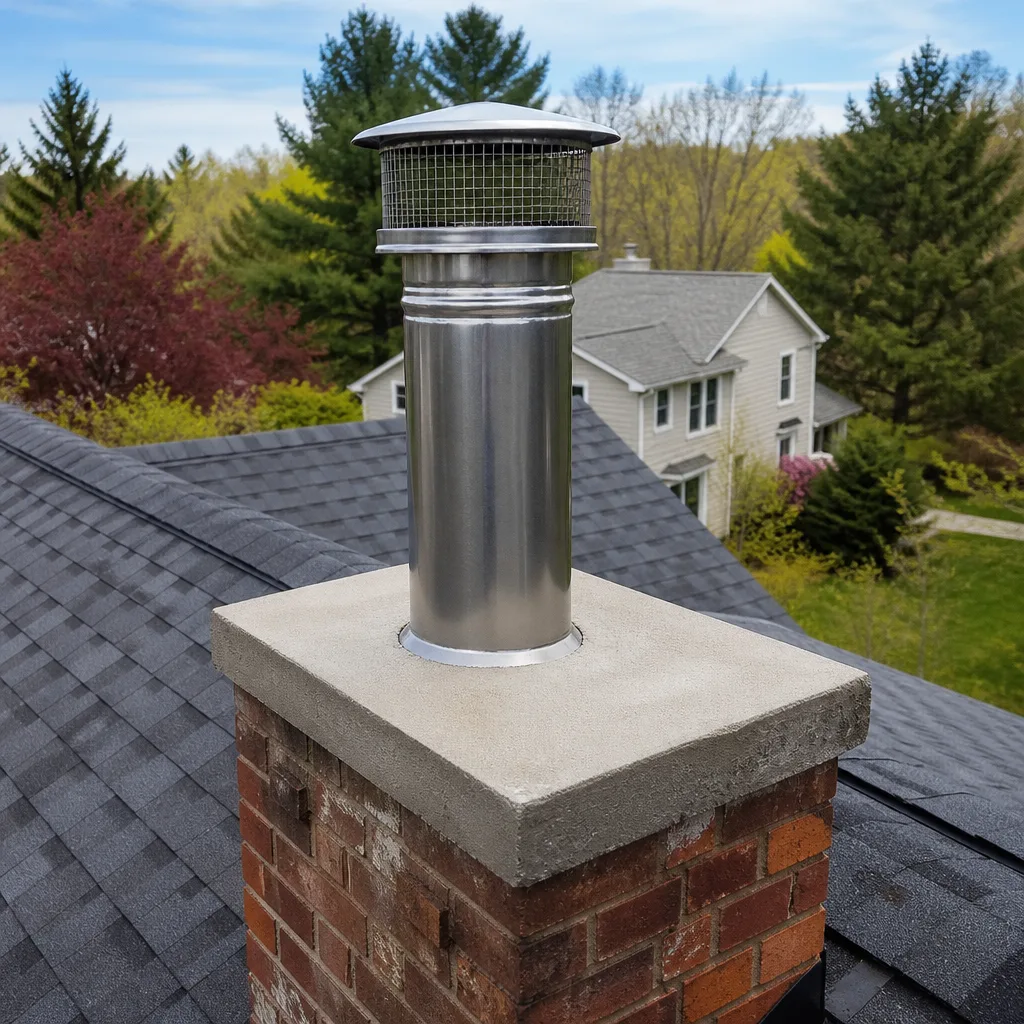
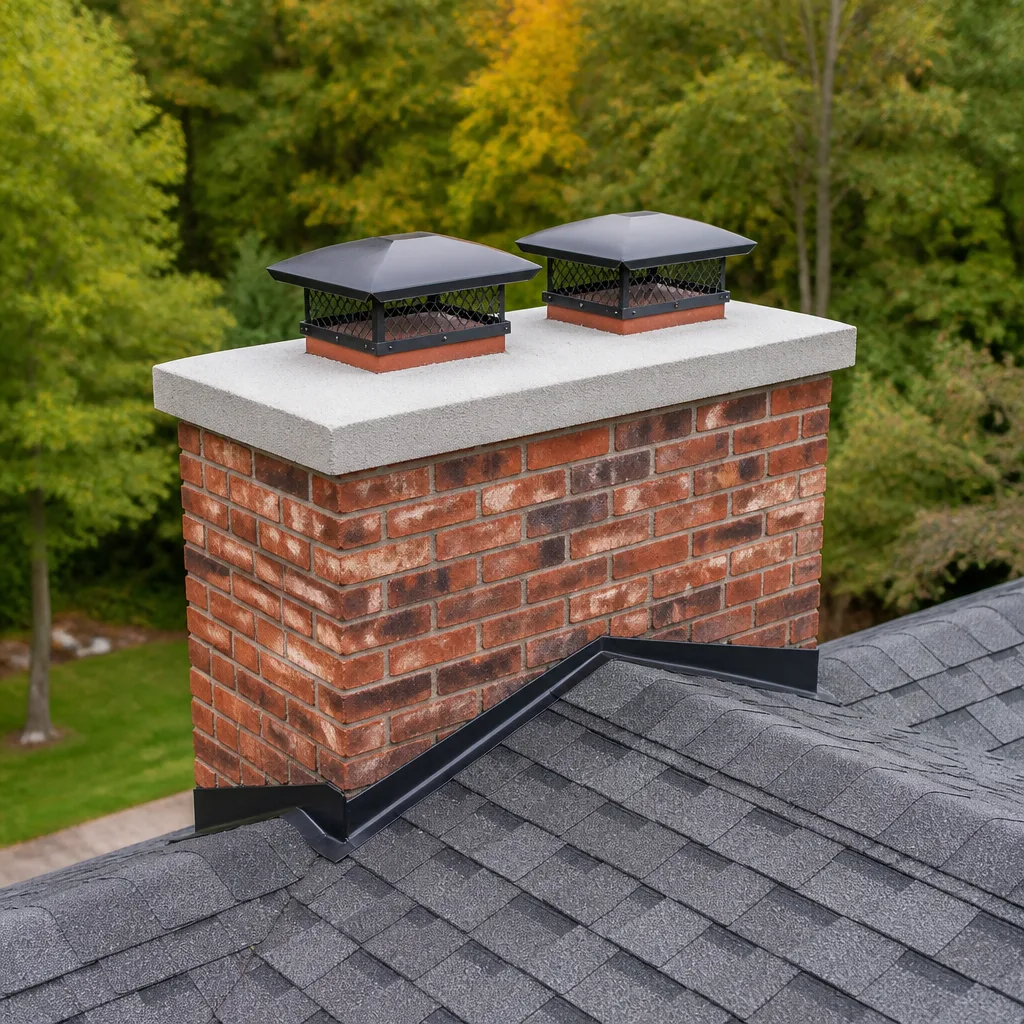 Caps & crowns
 Flue relining
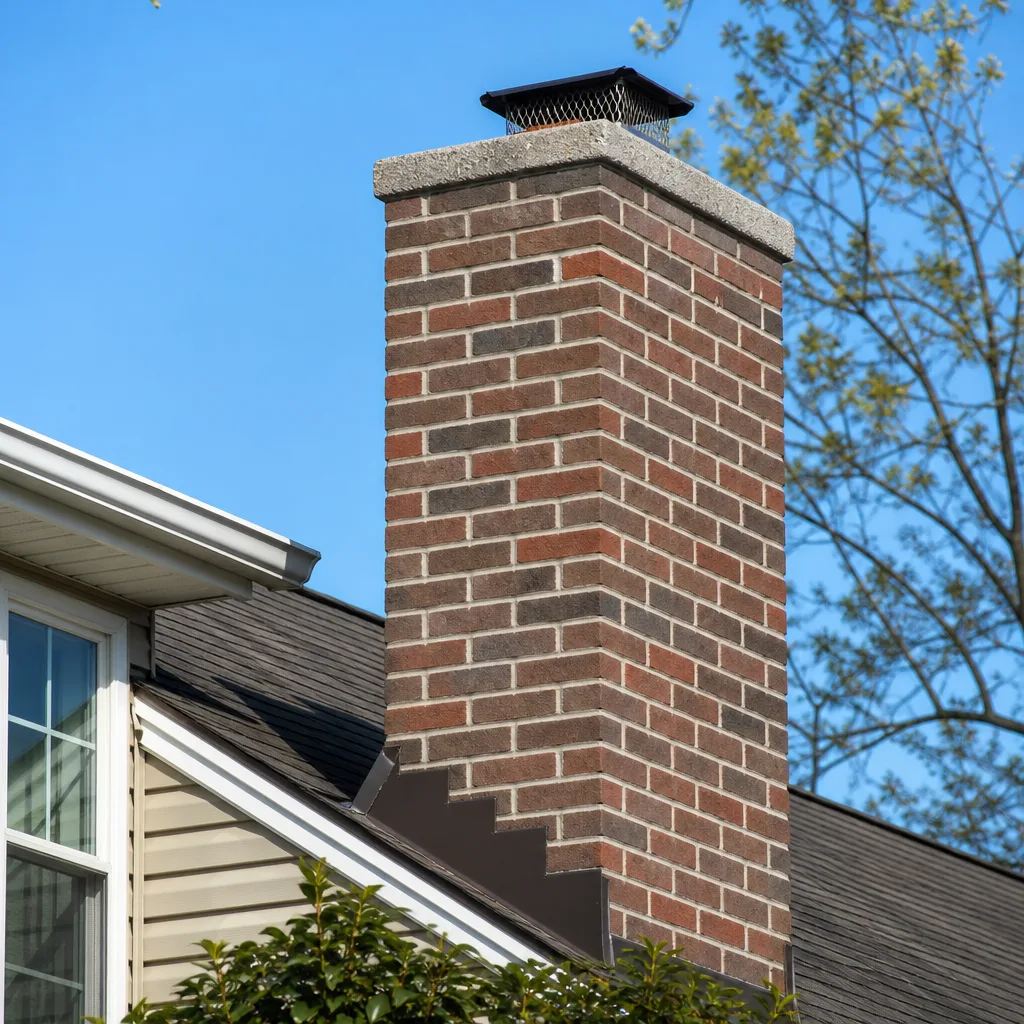 Masonry repair
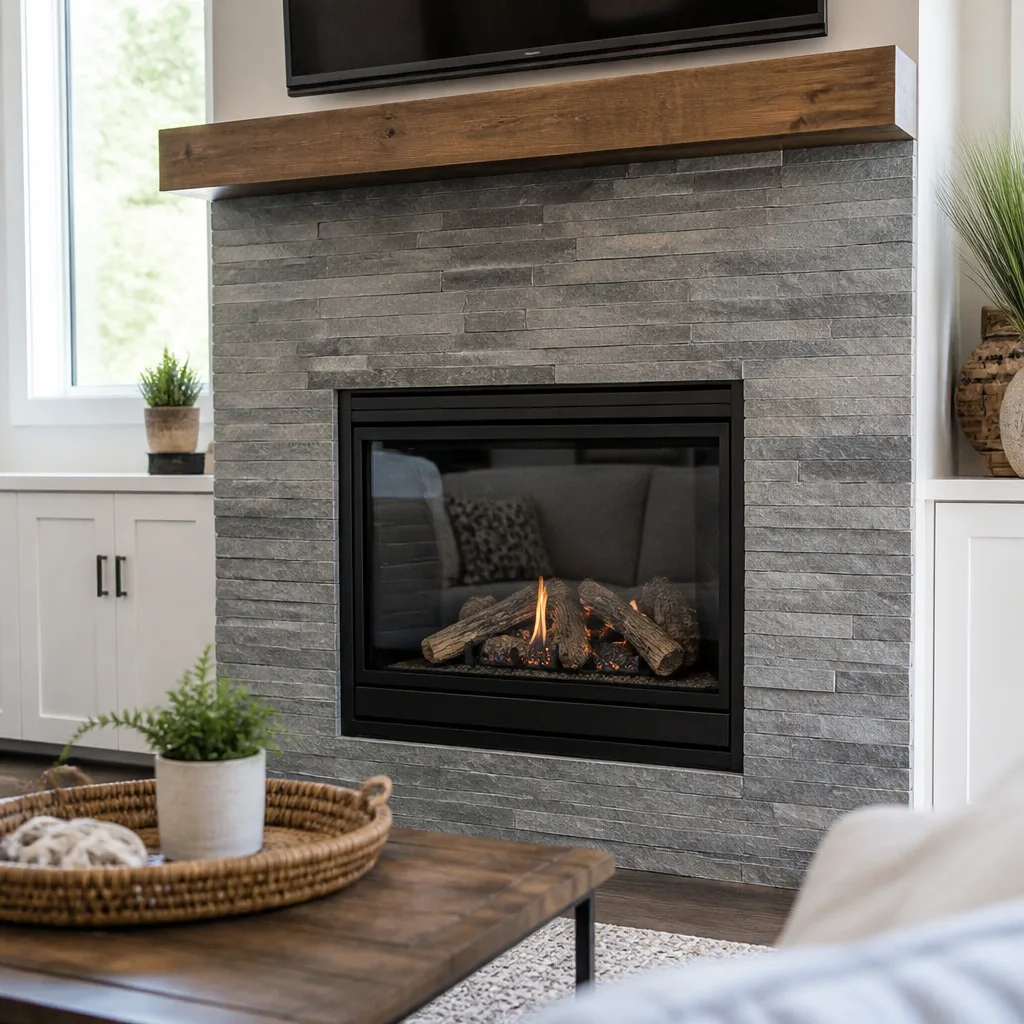 Gas fireplace service
Level 1 sweep and inspection to the NFPA 211 annual standard - flue, crown, cap, and flashing checked and photographed
Chimney sweep logs do not sweep chimneys. They loosen some creosote - which then falls where a brush and vacuum still have to collect it.
Chimney Sweep Troubleshooting: Common Problems and How to Fix Them
Buying a chimney cap to fix a smoke smell is the chimney equivalent of putting a band-aid on a broken pipe. It’s the first thing homeowners in Garden Grove try, and it’s usually the wrong fix. Here’s what we know after years of running diagnostic calls: most chimney problems have more than one possible cause, and treating the symptom instead of the root issue is how a $200 problem becomes a $2,000 one. This guide walks you through a root-cause elimination sequence, not a symptom checklist, and points you to more guides & resources for ongoing maintenance. You’ll learn how to isolate whether a draft problem is mechanical, structural, or pressure-related, how to identify odors by their source, and the one simple test that narrows the field before you spend a dime.
Styles & brands we work with
Quick Answer
Chimney problems almost always stem from one of four root causes: a blocked or restricted flue, a pressure imbalance inside the house, moisture intrusion, or damaged components like liners and caps. The fix depends entirely on which root cause is actually at play, which is why the first step is always diagnosis, not repair. Work through the sequence below in order, and you’ll eliminate the cheap, easy fixes first before calling anyone.
Table of Contents
- The Root-Cause Elimination Sequence
- The Newspaper Draw Test: The 5-Minute Diagnostic
- Smoke Backdraft vs. Downdraft vs. Pressure Differential
- Creosote Odor vs. Animal Odor vs. Moisture-Rot Odor
- Negative House Pressure: The Modern Home Problem
- DIY Troubleshooting vs. When to Back Away
- Common Mistakes to Avoid
- When to Call a Professional
- Frequently Asked Questions
- The Bottom Line
The Root-Cause Elimination Sequence
Here’s the sequence we work through on every troubleshooting call in Garden Grove, and the one you should follow at home, drawn from The Complete Chimney Sweep Guide for Garden Grove Homeowners. It starts with the cheapest, most common causes and moves toward the expensive ones. Do not skip steps. A blocked flue can produce the exact same symptom as a cracked liner, but the fix costs $150 instead of $3,000. You want to know which one you’re dealing with.
- Confirm the obstruction. Look up the flue with a flashlight from inside the firebox. You’re checking for bird nests, squirrel debris, leaves, or a collapsed tile liner. In Garden Grove, we see a lot of starling and house sparrow nests in April and May, and squirrel activity picks up in the fall when temperatures drop.
- Check the damper. Make sure it opens fully and stays open. A damper that’s rusted half-shut or disconnected from its lever will mimic a draft problem every time.
- Run the newspaper draw test. Detailed below. If the chimney fails the draw test with the damper open and no visible obstruction, you’re likely looking at a pressure or design issue, not a cleaning issue.
- Inspect the cap and crown. From outside, check for a missing or damaged cap, cracked crown mortar, or spalling brick. Water entry changes everything about how a chimney performs.
- Check the firebox and throat. Loose bricks, missing mortar joints, or a throat that’s been modified can all disrupt airflow at the point where the firebox narrows into the flue.
- Call in a camera inspection. If steps 1 through 5 don’t reveal the issue, a real camera scan of the flue interior is the only way to see liner cracks, hidden blockages, or mid-flue separations. This is where we start on most no-heat or persistent-odor calls because it eliminates guesswork.
Chimney Sweep in West Athens customers often ask us whether this order matters. It does. We’ve taken apart chimneys where the homeowner had already paid for a liner replacement based on a poor draft, when the actual problem was a damper that had been installed backward. The sequence exists to protect you from spending money on the wrong fix. That’s also why we use professional-grade materials from brands like HeatShield and DuraFlex when a repair genuinely is needed: the right material, matched to the specific failure, not a one-size-fits-all liner.
The Newspaper Draw Test: The 5-Minute Diagnostic
This is the single most useful test a homeowner can run before calling anyone. It’s simple, costs nothing, and immediately narrows the field between a chimney problem and a house problem. Here’s how it works.
- Pick a cool, dry day. Warm air moving up the chimney works best when there’s a temperature difference between inside and outside. On a hot Garden Grove afternoon, even a healthy chimney may show weak draw.
- Open the damper fully. If you have glass fireplace doors, open those too.
- Crumple a sheet of newspaper into a loose ball and set it on the grate.
- Light the newspaper. Watch the smoke.
Reading the result:
- Smoke rises straight up and out. Your draft is fine. Whatever problem you’re experiencing is intermittent or related to how the fire is being built, not the chimney itself.
- Smoke curls into the room. You have a draft failure. Move to the pressure differential section below, because in our experience with Garden Grove homes, this is negative house pressure more often than a blocked flue.
- Smoke rises slowly, then stalls. Partial obstruction or a flue that’s too cold. Cold flues are common in southern California chimneys that get used only a few times per winter.
- No smoke movement at all. Full or near-full obstruction. Do not light a fire until this is cleared.
Run this test before you spend money on anything. It won’t tell you exactly what’s wrong, but it will tell you which half of the troubleshooting tree to climb.
Smoke Backdraft vs. Downdraft vs. Pressure Differential
These three terms get used interchangeably, and that’s a problem because they describe three different mechanical failures with three different fixes. In Garden Grove, where many homes are single-story ranches built in the 1950s and 60s, plus a growing number of tightly-sealed newer builds, all three show up regularly. Here’s how to tell them apart.
Pressure Differential (Most Common in Modern Homes)
A pressure differential happens when the house interior is at lower pressure than outside. Air gets pulled down the chimney to equalize, bringing smoke with it. This is a house problem, not a chimney problem. The fix is usually ventilation: opening a window near the fireplace, or adding a make-up air system. Chimney cleaning will not solve this.
Downdraft (Wind and Topography Driven)
Downdraft is wind hitting the top of the chimney and being forced down the flue. Homes on hillsides or near large open spaces in Garden Grove can get this on windy days even with a properly sized flue. The fix is often a properly designed cap, not a taller chimney. Some caps redirect wind, some create a low-pressure zone above the flue opening. The right cap depends on the specific wind pattern at the roofline.
Backdraft (Mechanical Obstruction or Flue Failure)
Backdraft means the chimney cannot move air up at all, usually because of a physical blockage: a bird nest, a collapsed clay tile, a disconnected liner section, or a damper that’s fallen into the flue. This is the most serious of the three and the one where continued use creates a carbon monoxide risk inside the house. A camera inspection is the only way to confirm the exact cause without exploratory demolition.
We regularly see Garden Grove homeowners patch a pressure differential with a bigger cap, only to have the problem return the first calm day. That’s the symptom-chasing trap. Chimney Repair in West Athens always starts with measurements, not parts. If you’re not sure which of these three you’re dealing with, the newspaper test plus an open window on a windy day will usually reveal it.
Creosote Odor vs. Animal Odor vs. Moisture-Rot Odor
Three very different smells come out of a fireplace, and homeowners frequently misidentify them. Getting this wrong means paying for the wrong service. Here’s how we teach people in Garden Grove to tell them apart without pulling out the liner.
Creosote Odor
Creosote smells like an old barbecue grill that’s been rained on: sharp, acidic, and smoky. It gets worse on humid days and in summer, when heat warms the creosote deposits and drives the smell into the house. This odor means the flue has accumulated enough creosote that the deposits are off-gassing. The fix is straightforward: a proper Chimney Sweep. If the creosote is glazed or heavy, resurfacing with a product like HeatShield may be needed to seal the flue walls and stop the odor cycle.
Animal Intrusion Odor
Dead animal smell is unmistakable but surprisingly easy to confuse with heavy creosote, especially after the first day or two. The tell is the location: animal odor gets stronger near the firebox and is often accompanied by flies, maggots, or scratching sounds before the animal dies. Squirrels, rats, and birds all find their way into Garden Grove chimneys. Once removed, the fix involves a proper cap and possibly a damper replacement. Cleaning alone won’t stop the next animal.
Moisture-Rot Odor
Moisture-rot smells earthy, musty, and organic, like wet leaves or a damp basement. It’s the smell of water getting into the chimney system and soaking the brick, mortar, or drywall around it. This is the most serious odor because it signals a water intrusion problem: a failed crown, missing cap, spalling brick, or flashing failure. Ignoring it leads to structural damage, not just smell. In Garden Grove’s wet winter months, this odor tends to spike after rain.
Our Walnut Chimney home guide has a full-smell flowchart, but the short version: smoky and sharp means creosote, rotting and sweet means animal, earthy and musty means moisture. Each points to a different fix, and no amount of sweeping fixes a flashing leak or a water-damaged crown. When moisture is the culprit, we source caps and covers from Gelco and Olympia Chimney to match the specific roofline and venting configuration, because a universal cap is often worse than no cap on custom-built Garden Grove homes.
Negative House Pressure: The Modern Home Problem
This is the hidden cause behind a large percentage of the “chimney problems” we troubleshoot in Garden Grove. Modern homes are built tighter than older ones, which is great for energy bills and terrible for natural draft chimneys. A weatherized home with new windows, sealed attic hatches, and updated door seals can create a vacuum strong enough to pull smoke down the flue, even with a perfectly clean chimney. We’ve taken apart vents and liners in Garden Grove homes where the real issue was a well-sealed house and a running bathroom fan.
Here’s how to identify a negative pressure problem:
- Smoke only comes into the room when the heat or AC is running. Forced-air systems move large volumes of air and can create pressure imbalances.
- The problem started after a renovation. New windows, insulation, or air sealing are the usual triggers.
- Opening a window fixes the draft immediately. This is the classic tell. If cracking a window near the fireplace suddenly lets smoke rise normally, you have a pressure problem, not a chimney problem.
- Kitchen or bathroom exhaust fans make it worse. Exhaust fans pull air out of the house, increasing the negative pressure on the chimney.
The long-term fix for a pressure differential is a mechanical make-up air system or, in some cases, a direct-vent fireplace that doesn’t rely on house air for combustion. The short-term fix is to open a window when you light a fire. The answer is not a bigger chimney, a taller chimney, or an expensive liner: these don’t change the pressure physics. In south Orange County, where many Garden Grove-adjacent homes have been retrofitted with high-efficiency windows and doors, negative pressure is more common than most homeowners realize. If you’ve ruled out a blockage and the draw still fails, test the pressure differential before spending a dollar on chimney work.
DIY Troubleshooting vs. When to Back Away
Some chimney troubleshooting is safe and sensible as a DIY project. Other tasks cross into genuine risk. The line is not always obvious, so here’s the split we use when advising homeowners in Garden Grove.
Safe to DIY
- Visual inspection of the firebox and damper from inside the house
- Running the newspaper draw test
- Checking for animal sounds or visible nests at the firebox level
- Looking at the exterior chimney from the ground with binoculars
- Opening a window to test for negative pressure
- Checking that the damper opens and closes smoothly
Call a Professional (And Here’s Why)
- Anything requiring ladder work above the roofline. Falls from roof height are among the leading causes of serious injury in home maintenance. A chimney cap inspection from the roof is not worth the risk when a trained sweep has the right safety equipment.
- Removing animals or nesting debris from inside the flue. Raccoons and squirrels can carry rabies, fleas, and other risks. Their nests can also contain fungi that become airborne when disturbed.
- Opening the firebox or removing brick. What looks like a loose brick may be structural. Removing firebrick from a masonry chimney without knowing how the firebox is constructed can break fire-code compliance and create a fire hazard.
- Replacing a damper, cap, crown, or liner. These are fitted components with code requirements. A damper that doesn’t seat correctly lets heat escape year-round; a cap that’s not properly sized can make a draft problem worse.
- Any troubleshooting that follows visible spalling, cracking, or water staining. These are structural symptoms. Treating them as maintenance will miss the root cause.
When we do open up a chimney in Garden Grove for these repairs, the materials matter. That’s why we work with DuraFlex for flexible liner systems and Famco for venting components, alongside HeatShield for ceramic resurfacing. The right material, matched to the specific failure, is what turns a repair into a long-term fix. Dryer Vent Cleaning in West Athens clients get the same discipline applied to a different vent: same diagnostic logic, different system.
Common Mistakes to Avoid
- Buying a chimney cap as the first fix for any smoke problem. Caps help with downdraft and animal entry, but they do nothing for a pressure differential, a blocked flue, or a damaged liner. Installing one blindly often makes the original problem worse by further restricting the flue opening.
- Skipping the damper check. More than half the “draft failures” we see on first calls in Garden Grove are damper-related: stuck, disconnected, or installed incorrectly. It’s a two-minute check that saves a lot of misdirected spending.
- Lighting a fire to “test” a chimney you suspect is blocked. If there’s a bird nest or squirrel debris in the flue, the first fire of the season can ignite it. This is a chimney fire waiting to happen and a fast way to crack a clay liner.
- Assuming a clean chimney doesn’t need inspection. A sweep removes creosote. It does not repair a crack, replace a rusted damper, or fix a missing cap. Cleaning and inspection are separate functions, which is why a proper sweep includes both.
- Ignoring the smell. Odors don’t resolve themselves. A creosote smell in summer gets worse, an animal smell becomes a sanitation issue, and a moisture smell compounds structural damage every rainy season. The longer you wait, the more the fix costs.
- Patching a liner problem with a “chimney sealant” product. These products are temporary bandages at best. A damaged clay tile liner cannot be sealed from the inside with a paint-on product. The options are resurfacing with a ceramic product like HeatShield or installing an insulated liner system, not a $40 bottle of liquid.
- Running exhaust fans and the fireplace at the same time and wondering why the smoke won’t draw. This is the negative-pressure diagnosis waiting to happen. Turn off the fans, open a window, and the chimney likely works fine.
When to Call a Professional
You should call before lighting the first fire of the season if the chimney hasn’t been professionally inspected in the last 12 months, if you’ve noticed a change in how the fireplace draws, or if you smell anything unusual coming from the firebox in warm weather. Specific triggers: visible brick staining or efflorescence on the chimney exterior, a damper that won’t fully open or close, signs of animal activity, or a newspaper draw test that fails. When water is involved, the clock matters: every rainy season in Garden Grove compounds crown and flashing damage. Walnut Chimney offers free estimates in Garden Grove, and each one starts with diagnosis, not a quote for parts. Call us at (855) 341-3461.
Frequently Asked Questions
Run a newspaper draw test: crumple a sheet of newspaper, set it on the grate with the damper open, light it, and watch the smoke. Smoke that curls into the room or doesn’t rise indicates a blockage or pressure problem that needs professional diagnosis before use.
Summer fireplace smells are usually creosote deposits off-gassing in heat and humidity, or a dead animal in the flue. Creosote smell is sharp and smoky; animal smell is sweet and rotting. Both require professional attention, and the fix is different for each.
Basic visual inspection, damper checks, and the newspaper test are safe DIY tasks. Full mechanical sweeping requires specialized brushes, rods, and proper access, and it saves you little money compared to a professional sweep given the risk of climbing and the possibility of leaving flammable creosote behind, as covered in Choosing the Right Chimney Cleaning Brand: A Buyer’s Guide for Garden Grove. In Garden Grove, a professional sweep also includes a code-compliance look at the full system.
The National Fire Protection Association recommends a sweep whenever creosote buildup reaches 1/8 inch, which for most fireplaces means after about one cord of wood, roughly every one to two years for seasonal users in southern California. Homes that burn regularly or burn green wood should be swept annually. A qualified sweep can gauge the right cadence for your usage.
Wind-driven smoke usually points to a downdraft issue at the chimney top, which is best solved with a properly designed cap that redirects wind patterns. The right cap depends on your roof orientation and the specific wind direction at your home. A professional can measure and recommend the correct solution.
Not always. Small cracks and deteriorated joints can sometimes be addressed with ceramic resurfacing using a product like HeatShield, which seals the flue interior and restores structural integrity. Major breaks, separations, or significant spalling typically require a full liner replacement. A camera inspection is the only way to determine which condition you have and avoid paying for a full liner when resurfacing would suffice.
The Bottom Line
Most chimney problems are never what they first appear to be. A smoke problem is usually a pressure issue, a smell is usually creosote, and a failing draft is usually a damper. The correct fix comes from following a root-cause sequence, not from buying the first part that seems to match the symptom. Start with the newspaper draw test, work through the elimination steps, and never hesitate to call a professional when the questions outpace the answers. Walnut Chimney serves Garden Grove and the surrounding area with diagnostic-first chimney sweeping, vent cleaning, and repair using professional-grade materials matched to the job. Estimates are free at (855) 341-3461.
Written by the team at Walnut Chimney, serving Garden Grove since 2017.
See the difference
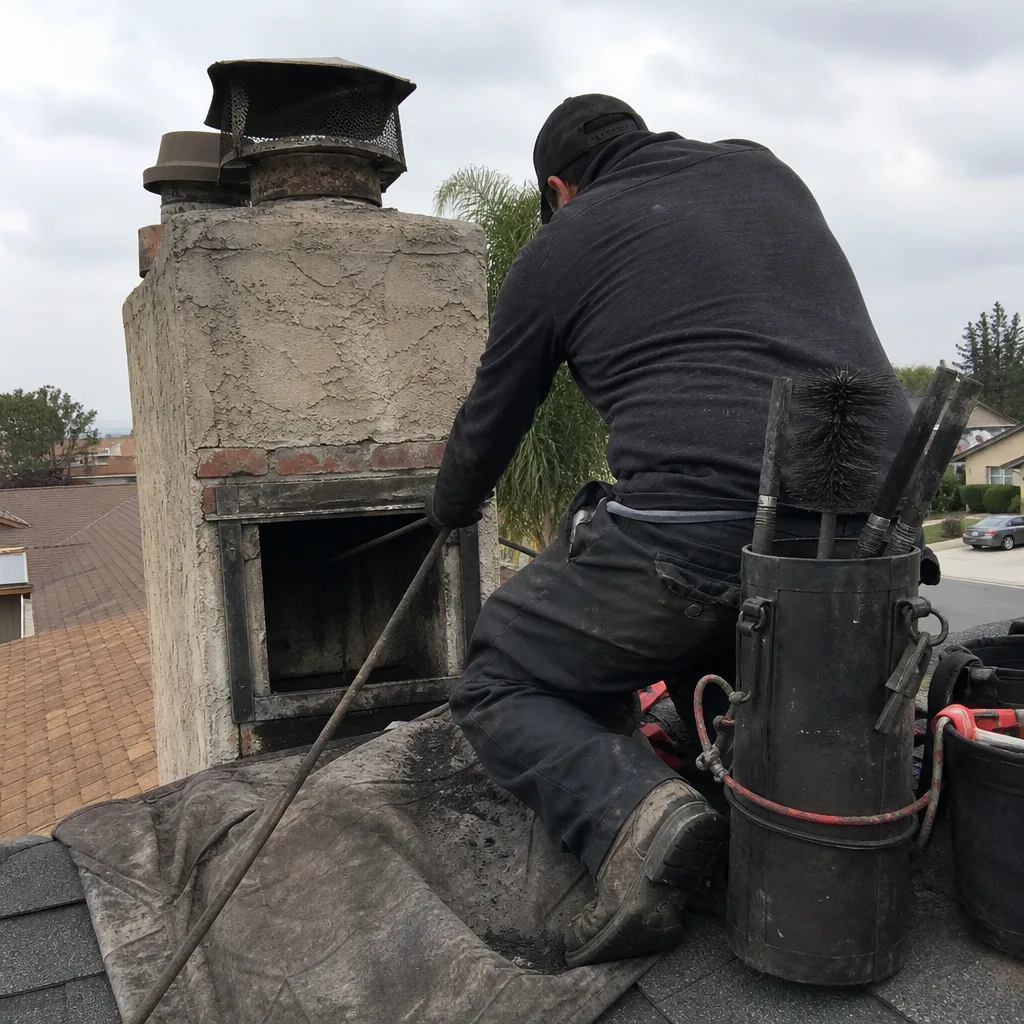 Before
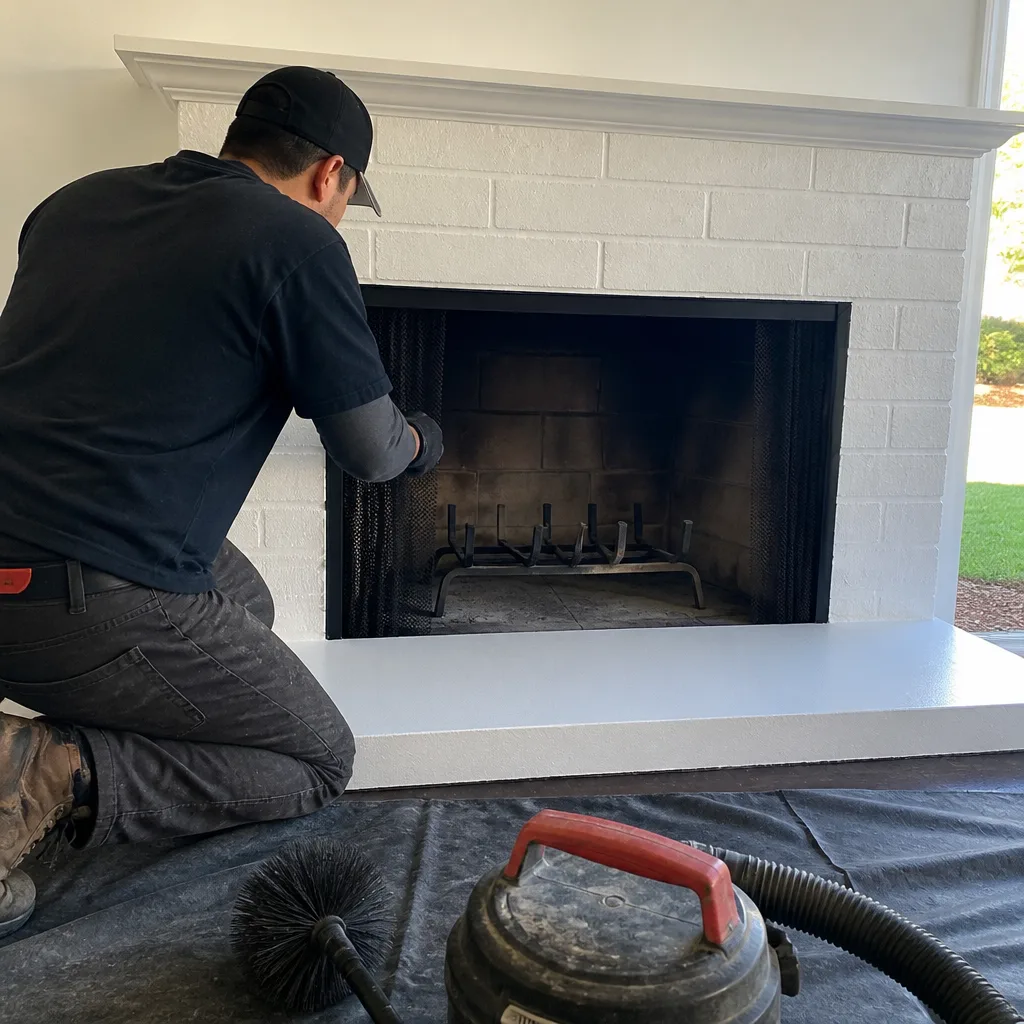 After
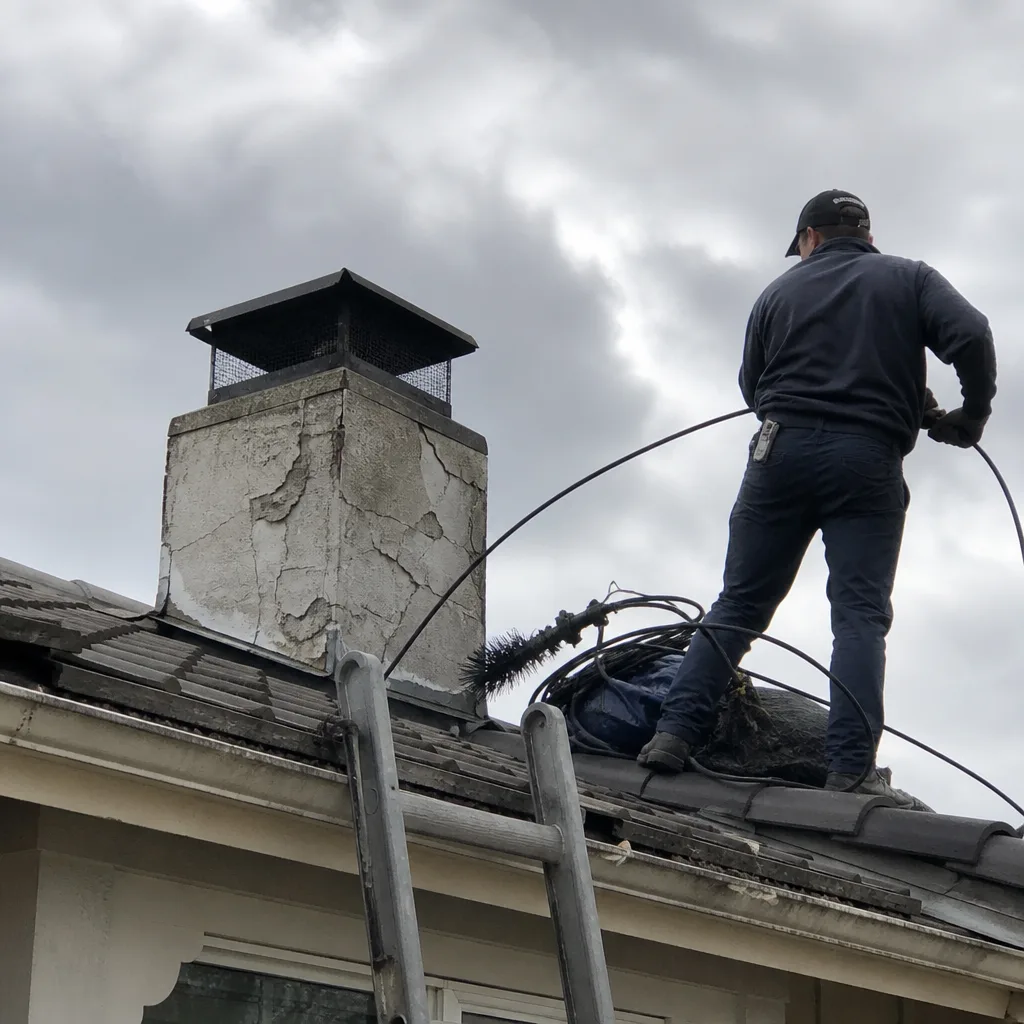 Before
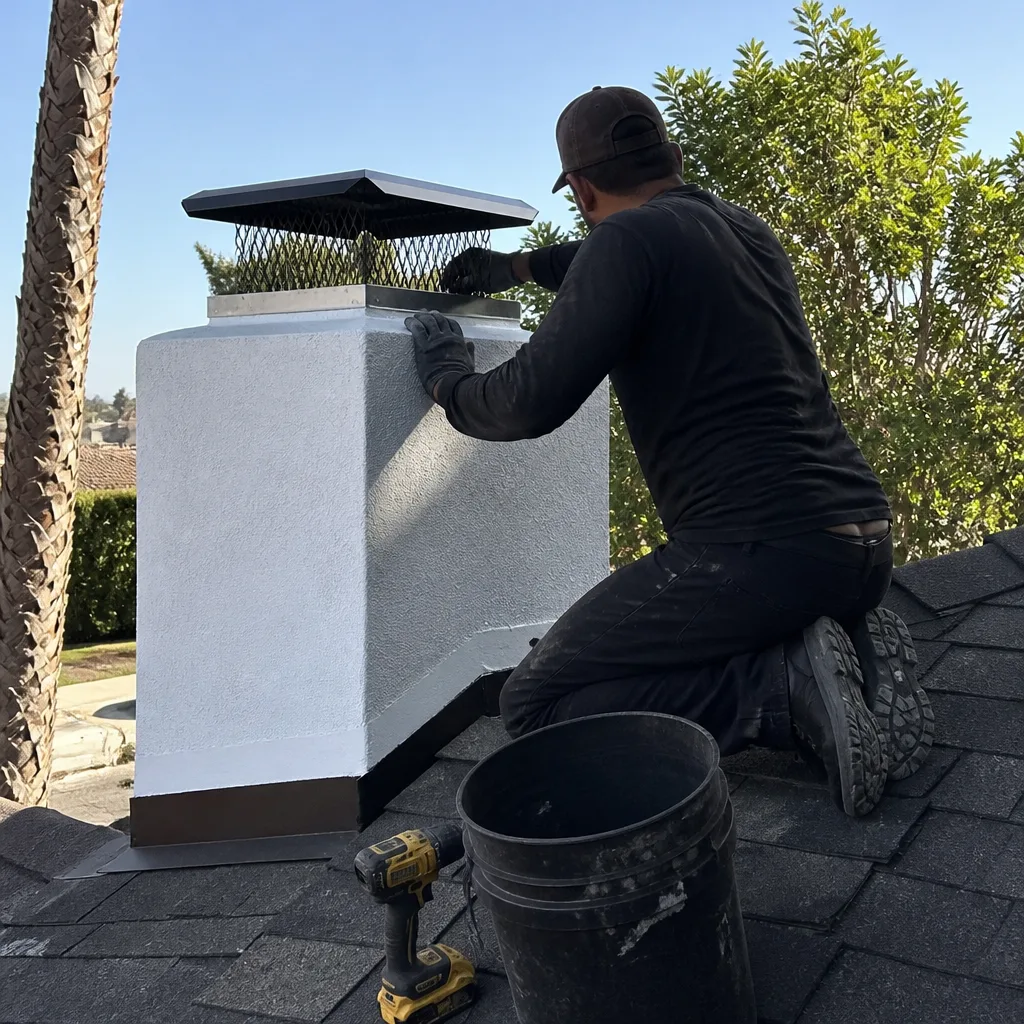 After
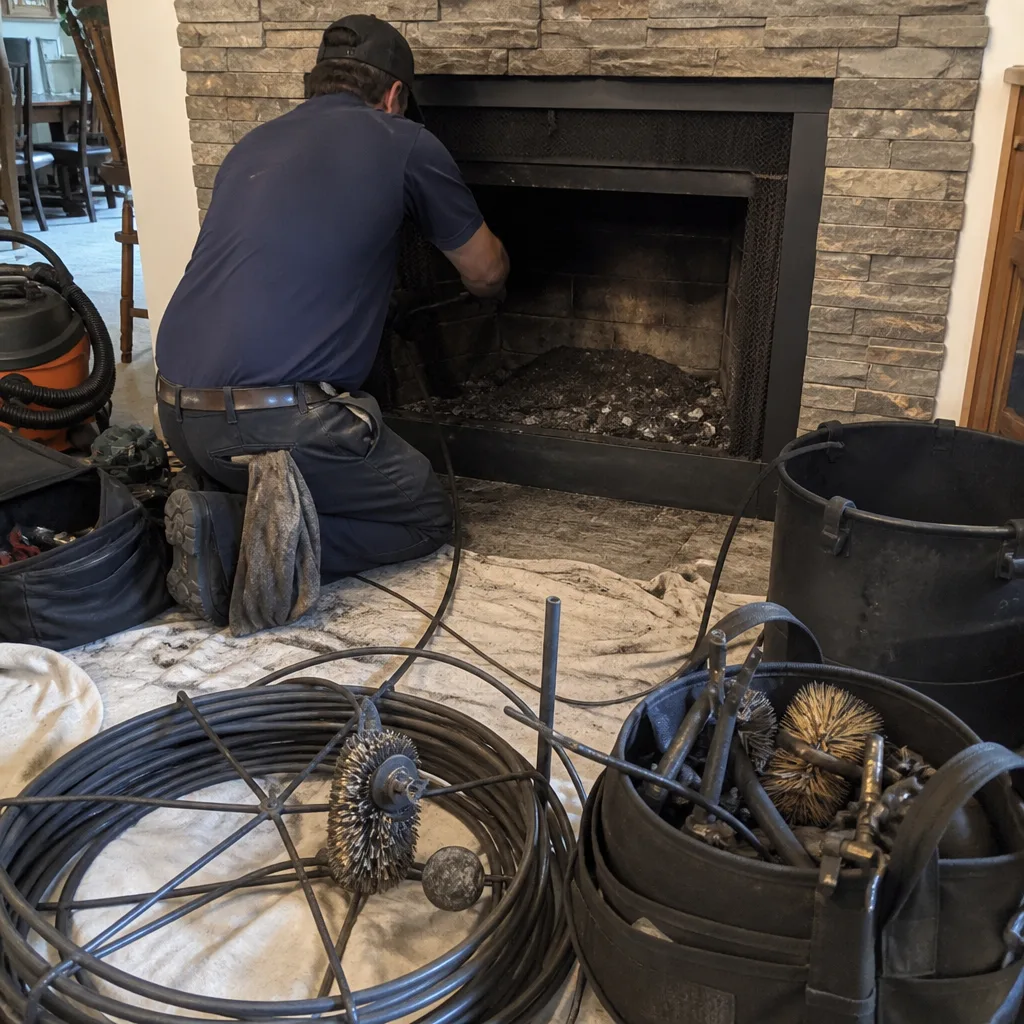 Before
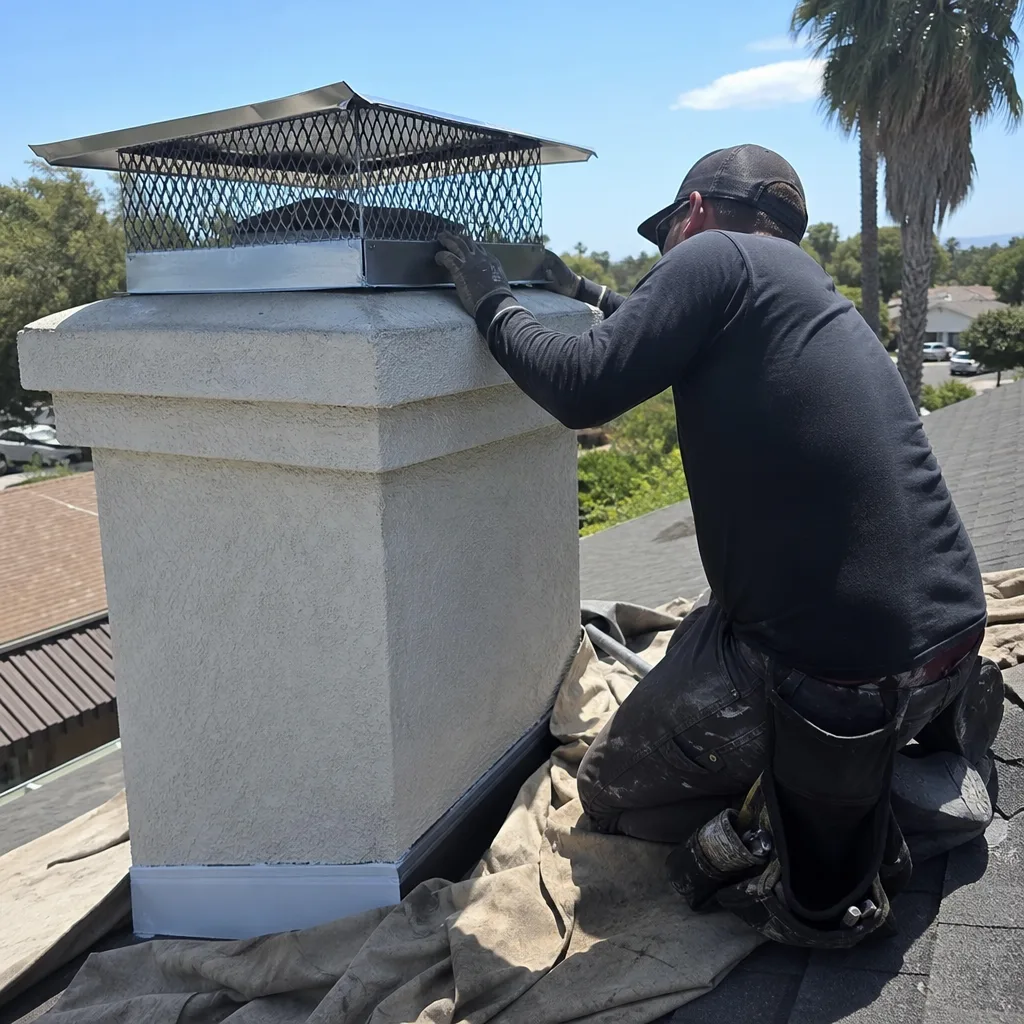 After