Last updated October 31, 2026
 Sweep & inspection
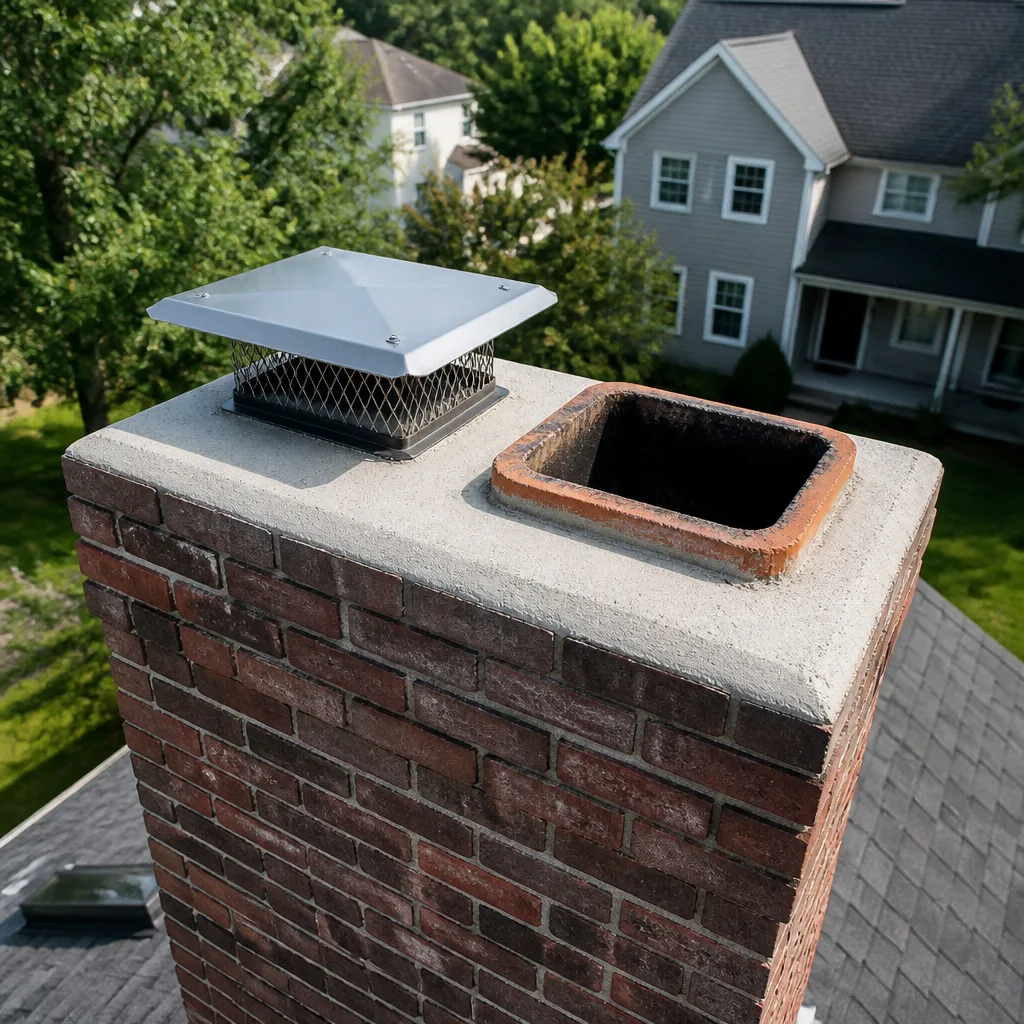
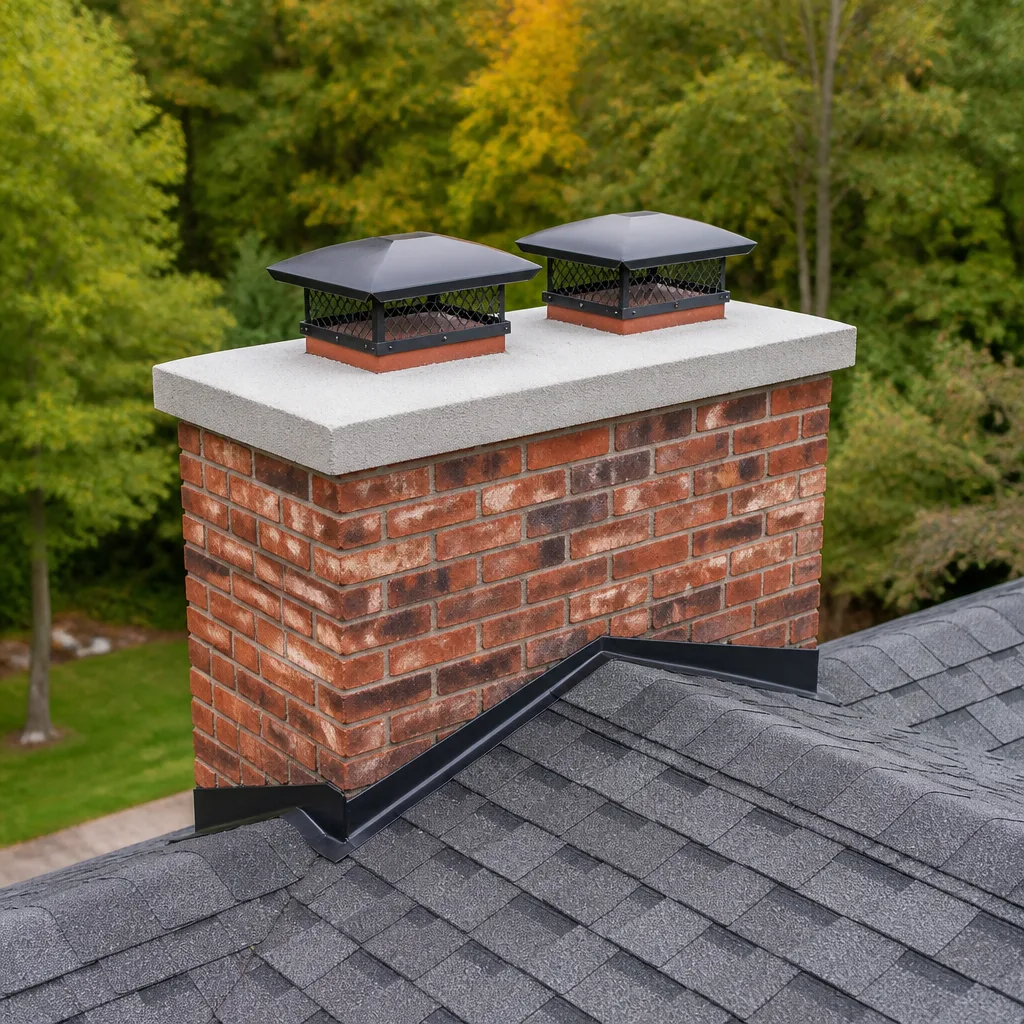 Caps & crowns
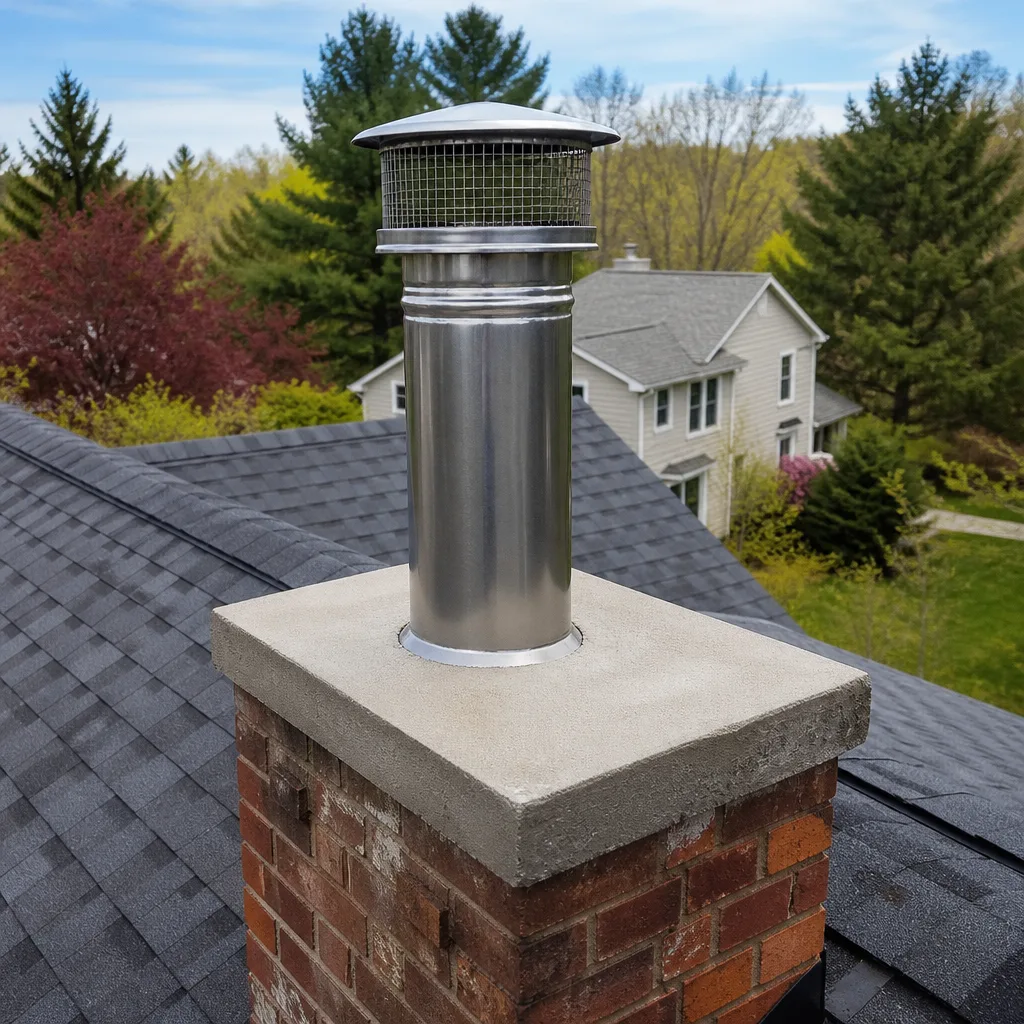 Flue relining
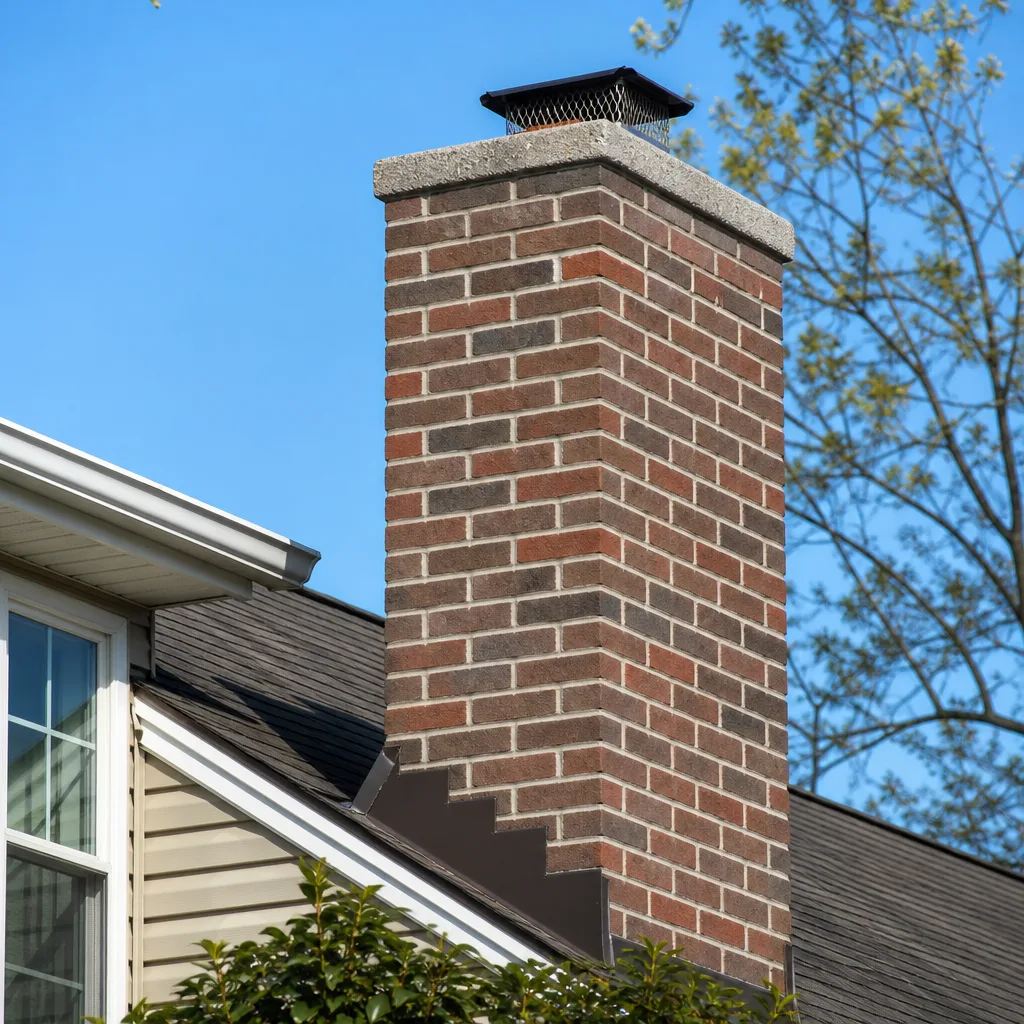 Masonry repair
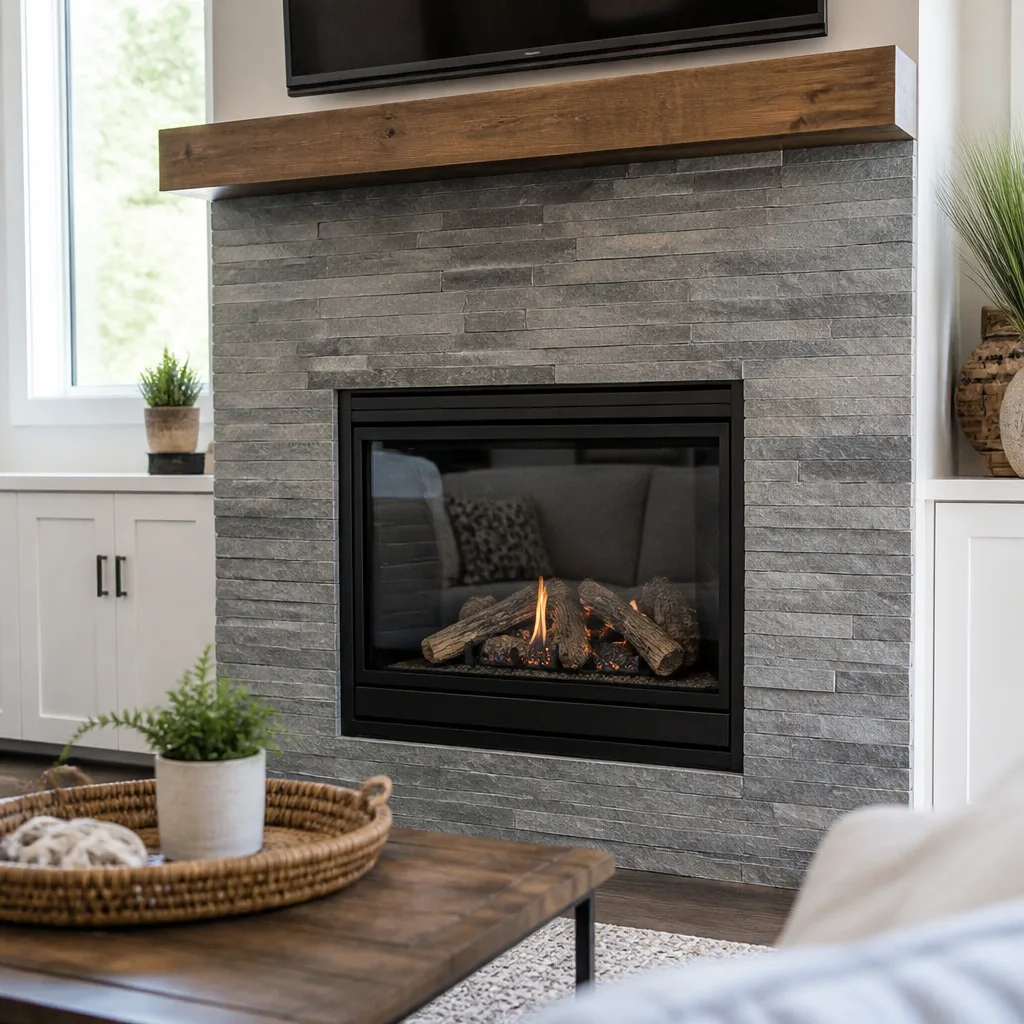 Gas fireplace service
Level 1 sweep and inspection to the NFPA 211 annual standard - flue, crown, cap, and flashing checked and photographed
Chimney sweep logs do not sweep chimneys. They loosen some creosote - which then falls where a brush and vacuum still have to collect it.
The Complete Chimney Sweep Guide for Garden Grove Homeowners
Here’s a fact most Garden Grove homeowners don’t expect: a chimney used only ten or twelve times between November and February can develop harder, denser creosote than one burning daily in a Minnesota winter. The reason is combustion chemistry, not volume. Low, slow-burning fires – exactly what you’d light on a mild Southern California evening – produce the glazed Stage 2 creosote that basic brushes can’t remove. This guide explains what’s actually happening inside your flue, why Garden Grove’s climate changes the maintenance math, and what a complete sweep involves beyond what the $89 advertised specials include. For hands-on help, see our Chimney Sweep services.
Styles & brands we work with
Quick Answer
A complete chimney sweep in Garden Grove CA involves more than brushing the flue. It includes a full inspection of the firebox, damper, smoke chamber, flue liner, chimney crown, and exterior masonry, plus removal of all creosote at every stage of buildup. Because Southern California’s low-use pattern produces dense Stage 2 glazing, you should schedule this annually even if you burn fewer than fifteen fires per season. Read DIY vs Professional Chimney Cleaning: The Garden Grove Homeowner’s Decision Guide to weigh your options.
Table of Contents
- Why Garden Grove’s Low-Use Chimneys Differ From Cold-Climate Ones
- What a Full-Stack Sweep Actually Includes
- The Southern California Inspection Points Most Guides Skip
- How to Read Your Firebox Between Professional Visits
- CSIA Level 1 vs. Level 2: When Garden Grove Homes Need the Upgrade
- Creosote Stages Explained in Plain Language
- What a Chimney Sweep Costs in Garden Grove
- Common Mistakes to Avoid
- When to Call a Professional
- Frequently Asked Questions
- The Bottom Line
Why Garden Grove’s Low-Use Chimneys Differ From Cold-Climate Ones
If you only burn a fire when the evening drops below 55 degrees, you might assume your chimney barely needs attention. That assumption is precisely what makes Garden Grove chimneys interesting to inspect. Here’s the chemistry you need to understand.
Creosote forms in layers. Stage 1 creosote is a fluffy, sooty dust that a basic brush removes easily. Stage 2 creosote is different – it’s a shiny, hardened glaze that forms when flue gases hover in a specific temperature range. Smoldering, oxygen-starved fires generate more of those mid-temperature gases than roaring hot ones. When you light a fire on a mild Garden Grove night, you’re not building the kind of blaze that heats flue gases past the condensation point. You’re nursing a low fire for ambience. That produces Stage 2 glazing at a rate disproportionate to your total burn hours.
Cold-climate homeowners burn hot, frequent fires that push some creosote through the system and dry out what remains. Their maintenance schedule matches visible use. Your maintenance schedule has to match invisible chemistry instead. In our experience working on chimneys across Southern California, we see more dense glazing in lightly used fireplaces than in heavily used ones. The owner is always surprised. The chemistry is predictable.
The second factor is time between inspections. A Michigan homeowner notices a problem quickly because they’re using the fireplace daily. A Garden Grove homeowner can go five years without lighting a fire, then discover a cracked flue liner or damaged crown the first cold snap. The problem developed slowly, unobserved, and the repair is now more expensive than a routine sweep would have been.
None of this means you should burn hotter fires. It means your inspection schedule should be independent of your burn rate. Annual is annual, whether you burned four times or forty.
What a Full-Stack Sweep Actually Includes
Most homeowners picture a guy with a round brush on a pole, some soot falling, and a receipt. A complete sweep is closer to a physical exam. Here’s the full sequence you should expect when you hire a real chimney company in Garden Grove.
- Interior protection setup. Drop cloths, vacuum containment, and seal plates around the firebox opening. If a company doesn’t protect your flooring and air quality, they’re not doing the job properly.
- Visual inspection of the firebox and damper. Checking for cracked firebrick, damaged mortar joints, rust on the damper plate, and proper damper operation before any brushing begins.
- Mechanical sweeping of the flue. This uses a properly sized brush matched to your flue dimensions. A one-size-fits-all brush leaves creosote in the corners. Rotary systems and specialized glazing removal tools handle Stage 2 deposits that standard brushes can’t touch.
- Smoke chamber cleaning. The angled section above the damper collects creosote and debris. Many budget sweeps skip this area entirely because it’s awkward to reach. Skipping it leaves concentrated fuel directly above your fire.
- Flue liner inspection. Looking for cracks, spalling, gaps between tiles, and signs of water intrusion. In older Garden Grove tract homes with original clay tile liners, this step catches problems years before they become chimney fires.
- Chimney crown and cap check. The crown is the concrete slab on top. The cap is the metal cover. Both fail from Southern California’s heat-cycle expansion and contraction.
- Exterior masonry review. Checking for stucco cracks, spalled brick faces, and deteriorated mortar on the chimney structure itself.
- Written report and recommendations. You should know exactly what was found, what was cleaned, what shows wear, and what can wait. No vague assurances. A clean chimney is a measurable thing.
The difference between a $89 special and a full-stack sweep is roughly 90 minutes of labor and a half-dozen inspection points. The cheap version leaves behind exactly what you paid to remove.
The Southern California Inspection Points Most Guides Skip
Generic chimney guides written for national audiences miss what actually fails in coastal Southern California. For local specifics, see The Complete Guide to Chimney Cleaning in Garden Grove. Garden Grove sits inland enough to avoid direct salt spray, but close enough to the ocean for marine air influence. Combine that with dry heat, occasional seismic activity, and stucco construction methods, and you get a specific failure profile.
Stucco crown cracking from heat cycles. Your chimney crown expands in the afternoon sun and contracts at night. Do that six thousand times a year and micro-cracks appear. Those cracks admit water, water erodes the crown further, and the cycle accelerates. In Garden Grove’s 70-degree winter days followed by 45-degree nights, the temperature swing is actually more damaging than in climates that stay consistently cold. Constant extreme cycles beat stable cold.
Seismic mortar fatigue. Garden Grove sits in an active seismic zone. Even minor earthquakes and the constant micro-tremors from regional fault lines stress mortar joints over decades. Hairline cracks in firebox mortar are common in homes built before modern seismic standards. These cracks expose the framing behind the fireplace to heat transfer.
Marine-air oxidation on metal components. Dampers, caps, and chase covers rust faster here than in desert climates. The combination of morning marine layer moisture and afternoon heat creates condensation cycles on exposed metal. We regularly replace rusted dampers in Garden Grove homes where the flue itself is perfectly sound.
Spark arrestor clogging from wind-borne debris. Santa Ana winds push leaves, eucalyptus bark, and airborne debris into chimney caps. A partially blocked spark arrestor reduces draft and sends smoke back into the living room. This shows up more in Garden Grove than in wetter climates because dry vegetation stays airborne longer.
Each of these inspection points takes minutes to check during a proper sweep. Each one typically gets skipped in a brush-only service.
How to Read Your Firebox Between Professional Visits
Between annual sweeps, you have eyes on the most diagnostic part of your chimney every time you build a fire. Here’s what to look for in the firebox – the visible chamber where the fire burns.
- White, powdery residue on firebrick. This is efflorescence, mineral salts pushed through the masonry by water intrusion. It means water is getting into your chimney structure somewhere, probably through a cracked crown or failed cap. It’s not cosmetic. It’s a leak indicator.
- Hairline cracks running through multiple bricks in a straight line. This pattern suggests structural movement – seismic fatigue or foundation settling. A single cracked brick is wear and tear. A linear crack across several bricks warrants professional evaluation.
- Black, shiny patches on the back wall above the grate. This is Stage 3 creosote, the condensed tar-like form. It’s concentrated fuel. Even a thin layer here tells you the chimney is due for glazing removal, not just brushing.
- Rust stains below the damper. Water is coming down the flue. The source is usually a failed cap or a crown crack. Rust on the damper plate itself tells you the metal has been wet repeatedly.
- Smoke entering the room when the fire is well-established. A correctly drafting chimney pulls smoke up once the flue warms. Persistent smoke roll-out after ten minutes of burning indicates a draft problem: clogged spark arrestor, flue obstruction, or an undersized liner for the firebox opening.
You don’t need to fix any of these yourself. You need to know they’re telling you something. Take a phone photo and compare it monthly. Changes you can see are changes a professional can diagnose faster.
CSIA Level 1 vs. Level 2: When Garden Grove Homes Need the Upgrade
The Chimney Safety Institute of America defines three inspection levels. The distinction between Level 1 and Level 2 confuses homeowners every year, and the confusion means thousands of Garden Grove chimneys go under-inspected.
Level 1 inspection is the standard annual inspection performed during a routine sweep. The technician examines all readily accessible portions of the chimney interior and exterior: firebox, damper, accessible flue sections, cap, crown, and visible masonry. No special tools beyond a flashlight and inspection mirror are required. This is sufficient when you’ve used the same fireplace with the same fuel source and experienced no problems.
Level 2 inspection includes everything in Level 1 plus access to concealed areas: attics, crawl spaces, and the roofline connection. It also adds video scanning of the flue interior. A camera reveals cracks, separated tile joints, and hidden creosote deposits that visual inspection from above or below cannot show.
You need a Level 2 inspection in these specific cases:
- You’re buying a home in Garden Grove and the seller can’t document recent chimney service. A Level 2 is the only way to know what you’re inheriting.
- You’ve experienced a chimney fire, even a small one that burned itself out. The thermal shock can crack liners invisibly.
- You’ve switched fuel types: wood to gas, gas back to wood, or you’re installing an insert. The flue requirements differ by fuel.
- You’ve felt an earthquake strong enough to rattle windows in your house. Seismic events here are common enough that any noticeable tremor justifies a look.
- You’ve made structural changes: a new roof, a second story addition, or a chimney rebuild.
- The chimney has been unused for five or more years. Animals, water, and time create obstructions and damage that no drag-brush will reveal.
For most Garden Grove homeowners with a wood-burning fireplace, a Level 1 during the annual sweep is the correct baseline. The camera comes out when something changes, not every year. But if you’re buying a house, skip the Level 1 and go straight to Level 2. The inspection cost is trivial compared to a liner replacement you didn’t budget for.
Creosote Stages Explained in Plain Language
Chimney companies toss around “Stage 1, Stage 2, Stage 3 creosote” like homeowners are supposed to know what that means. Here’s the plain-language version.
Stage 1: Soot. A fluffy, dark powder that brushes off easily. This is what you get from hot, efficient fires with dry wood. A standard chimney sweep removes Stage 1 completely. This is the only stage you can manage with a basic brush.
Stage 2: Glaze. A hard, shiny, tar-like coating that bonds to the flue wall. This is what low, smoldering fires produce, and it’s the stage we see most often in Garden Grove because of the burn patterns described earlier. Stage 2 doesn’t come off with a wire brush. It requires rotary cleaning tools designed specifically for glazed creosote removal, and often a chemical treatment that breaks down the tar bonds first.
Stage 3: Crystalline. This is Stage 2 that has baked and hardened through repeated heating cycles. It’s brittle, concentrated fuel that can ignite at flue temperatures that are easy to reach. At this stage, a chimney fire is not a hypothetical. The buildup has become the hazard.
The progression from Stage 1 to Stage 3 is driven by two factors: the temperature of your fires and the frequency of your cleanings. Low, infrequent fires produce dense Stage 2 glazing. Repeated low, infrequent fires without professional cleaning bake that glazing into Stage 3. Burning hot fires doesn’t fix this – it just adds Stage 1 soot on top of the existing glazing, which can actually mask the hazard visually.
This is why we tell Garden Grove homeowners to schedule sweeps on a calendar, not on a usage meter. The chemistry is doing its work whether you’re watching it or not.
What a Chimney Sweep Costs in Garden Grove
Pricing transparency helps you evaluate what you’re actually buying. Here’s what the Garden Grove market currently looks like for chimney sweeping.
- Basic brush-only sweep: $89 – $129. Gets the flue brushed, sometimes skips the smoke chamber, minimal inspection. This is the advertised special at the low end of the market.
- Full-stack sweep with inspection: $189 – $279. Includes the complete sequence described above: firebox and damper inspection, full flue sweeping, smoke chamber cleaning, cap and crown check, exterior masonry review, and written report.
- Sweep plus Level 2 video inspection: $289 – $399. Adds the camera scan and concealed-area access. Appropriate for home purchases, post-earthquake checks, and chimneys unused for years.
- Glaze removal for Stage 2 creosote: $350 – $550. Rotary cleaning tools and chemical treatments. Not included in a standard sweep price. This is the service you need if it’s been several years since the last cleaning and your fires have been low and slow.
These ranges reflect Garden Grove and surrounding Orange County pricing as of early 2026. The spread exists because some companies quote a low sweep price and then add charges for glaze removal, smoke chamber work, or inspection once they’re on site. A flat-price quote before booking is the only way to protect yourself from that model.
What you should pay depends on your chimney’s condition, not on who picked up the phone fastest. If your fires have been occasional and it’s been more than two years since the last cleaning, expect glaze removal to be part of the conversation. If you’ve maintained annually and burn dry wood, the standard full-stack sweep is what you need.
Walnut Chimney provides a free estimate before any work begins. Call (855) 341-3461 and we’ll give you a flat price based on what your chimney actually needs.
Common Mistakes to Avoid
- Skipping the sweep because you barely use the fireplace. This is the exact logic that creates Stage 3 glazing. Low use doesn’t mean no buildup. It means denser buildup forming more slowly. Annual is annual.
- Hiring the cheapest advertised special without asking what’s included. If the price is $89, the company is counting on upselling you before they leave. Find out what the flat price covers before booking.
- Burning unseasoned wood from the backyard pile. Garden Grove’s dry climate makes people think any split log is ready. Wood needs 6-12 months of covered seasoning after splitting. Wet wood smolders and produces creosote at an accelerated rate.
- Ignoring a damaged spark arrestor because “it still works.” A bent or partially clogged spark arrestor restricts draft, which creates exactly the low-temperature flue conditions that produce Stage 2 glazing. It’s a five-minute fix, not a five-year deferral.
- Painting over stucco cracks on the chimney exterior. You’ve hidden the symptom, not the cause. Water entry continues behind the paint. Crown and masonry repairs need to happen first.
- Assuming the previous homeowner maintained the chimney because the house looks clean. Chimney condition is invisible to casual inspection. A Level 2 camera scan is the only way to know what you bought.
- Burning a full firebox on the first cold night after eight months of disuse. If a bird built a nest in the flue or a damper has seized, you’ve just filled your living room with smoke. Schedule the annual sweep before the first burn of the season, not after problems show up.
When to Call a Professional
Call a chimney professional when you see any of these conditions: smoke entering the room after the fire is established, visible cracks running across multiple firebricks, rust staining below the damper, a strong smoky smell in the house even when no fire has burned recently, or evidence of water in the firebox after rain. Each of these indicates a problem that gets more expensive with waiting. Walnut Chimney offers free estimates in Garden Grove. Call (855) 341-3461 and we’ll assess your chimney honestly – including telling you when work can safely wait, not just when you need it.
Frequently Asked Questions
Once per year, regardless of how many fires you burn. Garden Grove’s low-use pattern produces dense Stage 2 glazing on a slower timetable, which means skipping years allows that glazing to harden and become more expensive to remove. Annual sweeping keeps the flue in a maintainable state whether you burned four fires or forty. Call (855) 341-3461 to schedule your next sweep at a time that works around your calendar.
A full chimney sweep in Garden Grove typically costs between $189 and $279, which includes the firebox inspection, complete flue brushing, smoke chamber cleaning, cap and crown check, and exterior masonry review. Glaze removal for Stage 2 creosote adds $350 to $550 when needed. For an exact flat-price quote for your chimney, call (855) 341-3461 – estimates are free.
Creosote accumulates and hardens through stages. What starts as brushable soot becomes glazed Stage 2, then bakes into Stage 3 crystalline fuel. At Stage 3, a chimney fire is a real possibility, and even a small one can crack your flue liner invisibly. The repair after a chimney fire costs far more than years of skipped sweeps would have. Schedule your sweep before the buildup reaches that point – (855) 341-3461.
Yes. A Level 2 inspection with video scanning is the only way to see the condition of the flue liner, smoke chamber, and concealed areas that the seller’s visual walkthrough cannot reveal. Garden Grove’s older tract homes often have original clay tile liners that crack with age and seismic movement. The inspection cost is minor compared to discovering after closing that you need a full reline. Call (855) 341-3461 to schedule a Level 2 before your inspection contingency expires.
You can remove loose Stage 1 soot with a DIY brush, but the risk is incomplete cleaning that leaves Stage 2 glazing behind, and the physical risk of working on a roof without proper equipment. Glazed creosote requires rotary tools and chemical treatments that are not available in hardware stores. A professional sweep includes the inspection that catches problems a brush will never reveal. Chimney Sweep in West Athens covers our full-service approach for the surrounding area.
Not without an inspection. Even moderate shaking can crack clay tile liners and mortar joints in ways that are invisible from the firebox. If you felt a quake strong enough to move furniture or crack drywall, schedule a Level 2 inspection before your next fire. For repair-level concerns, Chimney Repair in West Athens shows how we assess and fix exactly what failed.
The Bottom Line
A chimney sweep in Garden Grove is not a checkbox – it’s a diagnostic procedure. The mild climate reduces how often you use the fireplace, which paradoxically increases the density of what accumulates inside. Annual full-stack sweeping catches glazing before it hardens, catches structural cracks before they widen, and catches cap and crown failures before water does its slow work. The inspection points specific to this region – heat-cycle crown cracks, seismic fatigue, marine-air rust – are invisible to the casual eye and expensive to ignore. What a complete sweep gives you is simple: a measurable answer to whether your chimney is safe to burn in, not a vague assurance. If you haven’t had yours inspected this year, the time is before the next cold evening, not after something goes wrong. Browse more guides & resources to stay ahead of maintenance.
Written by the team at Walnut Chimney, serving Garden Grove since 2017.
See the difference
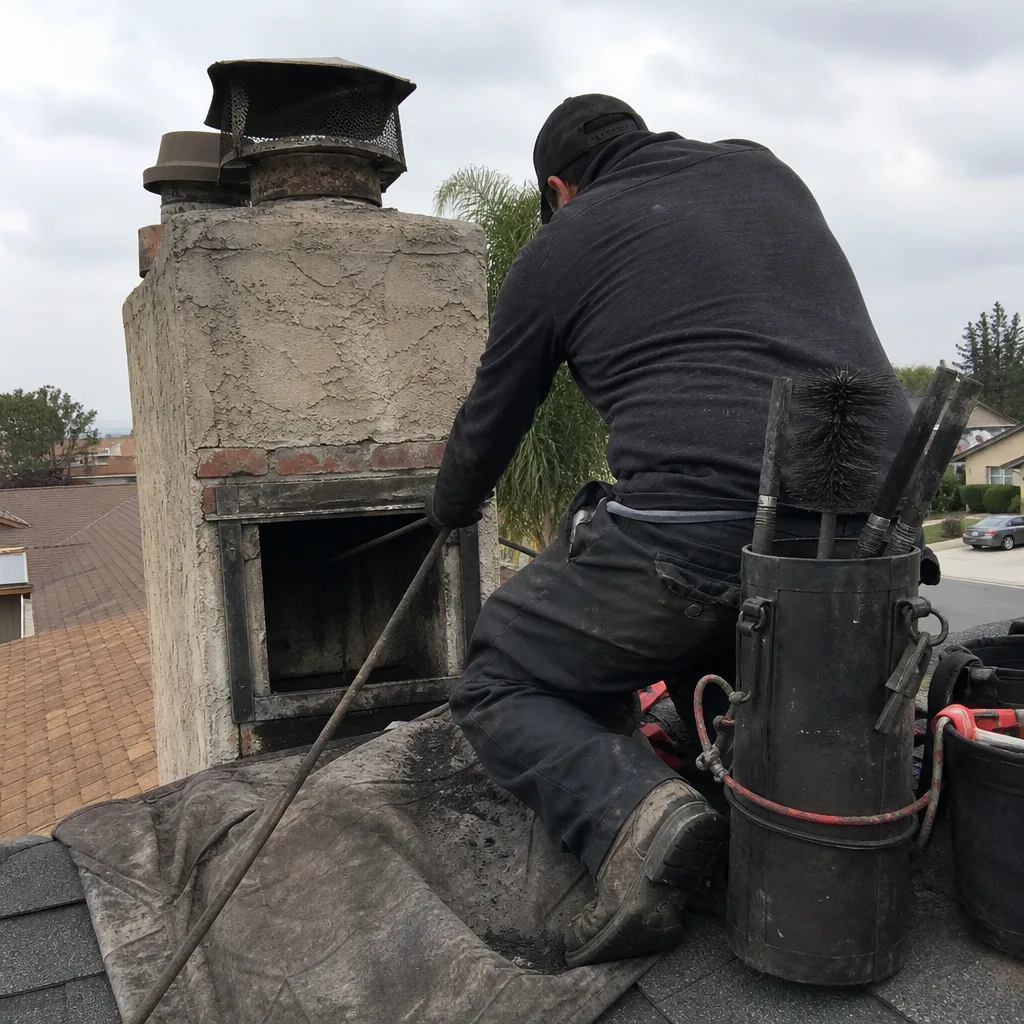 Before
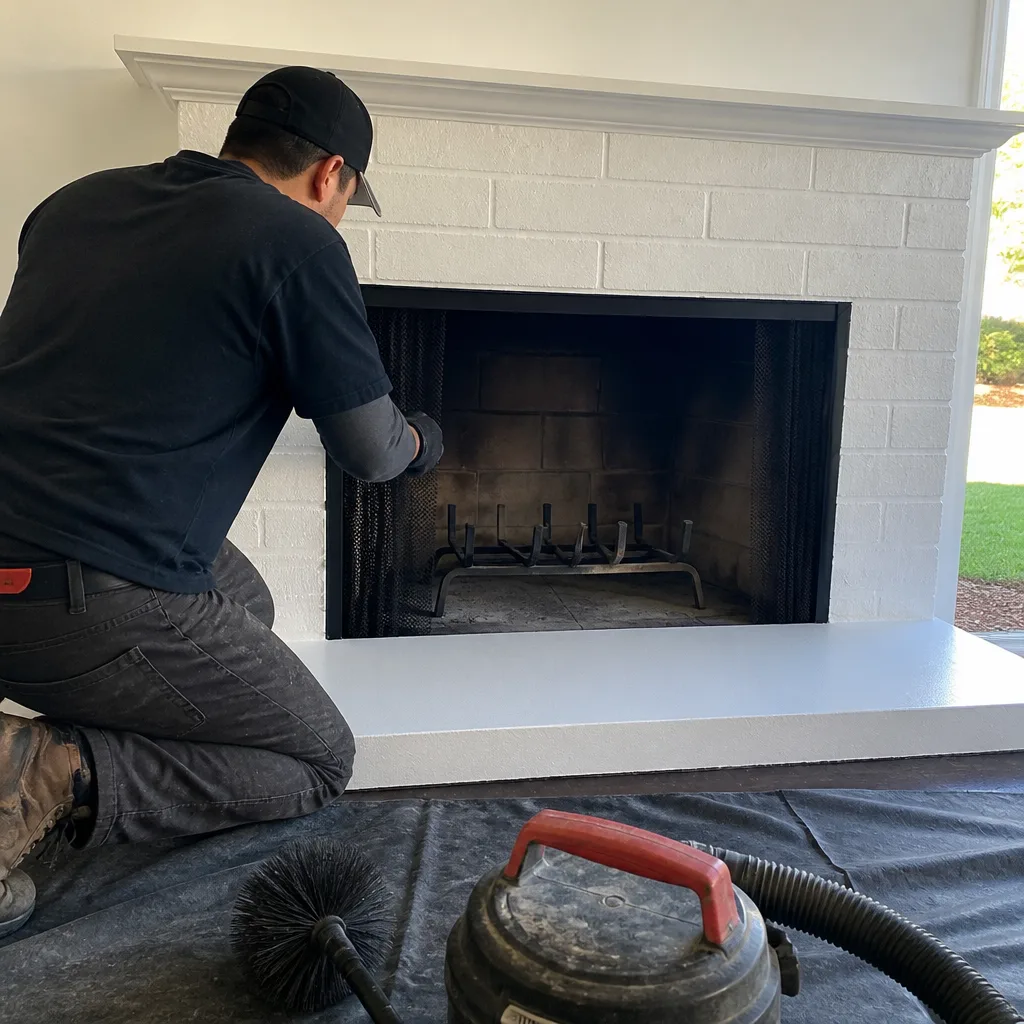 After
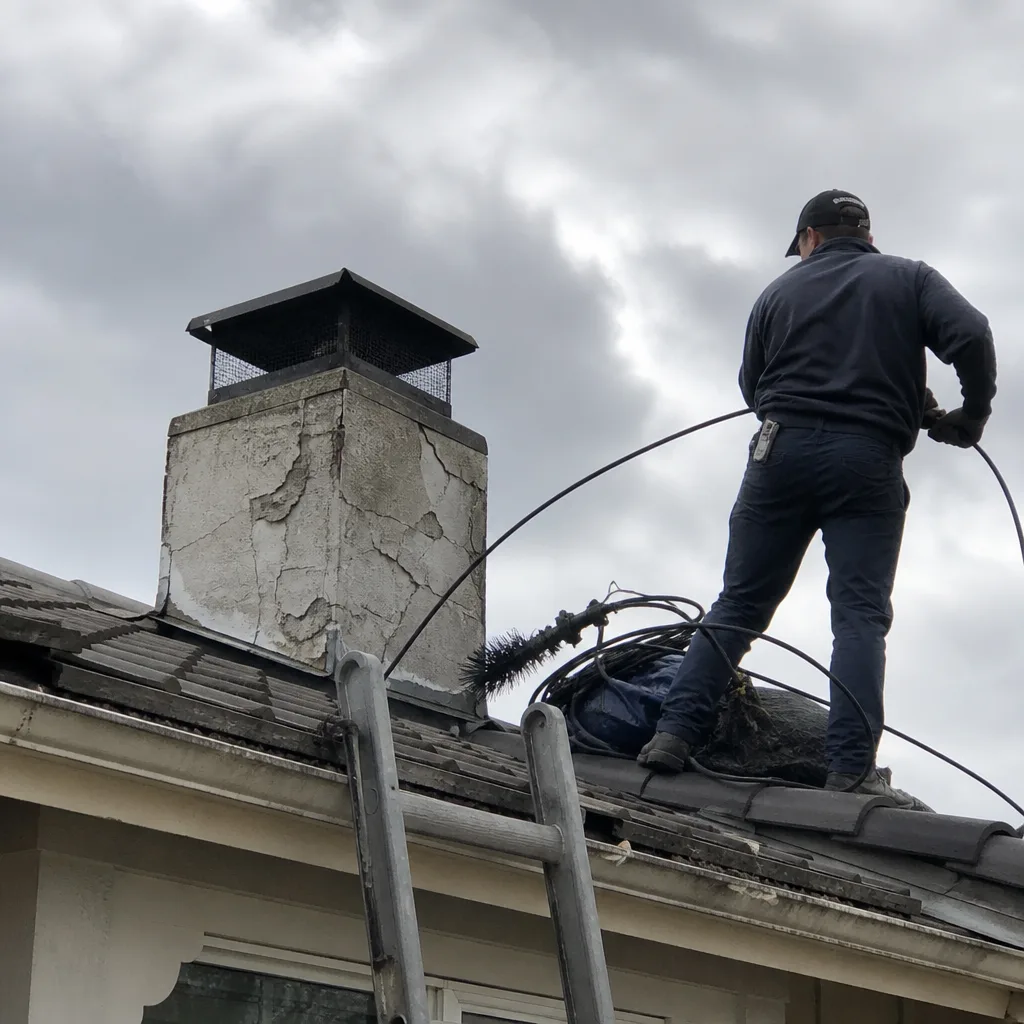 Before
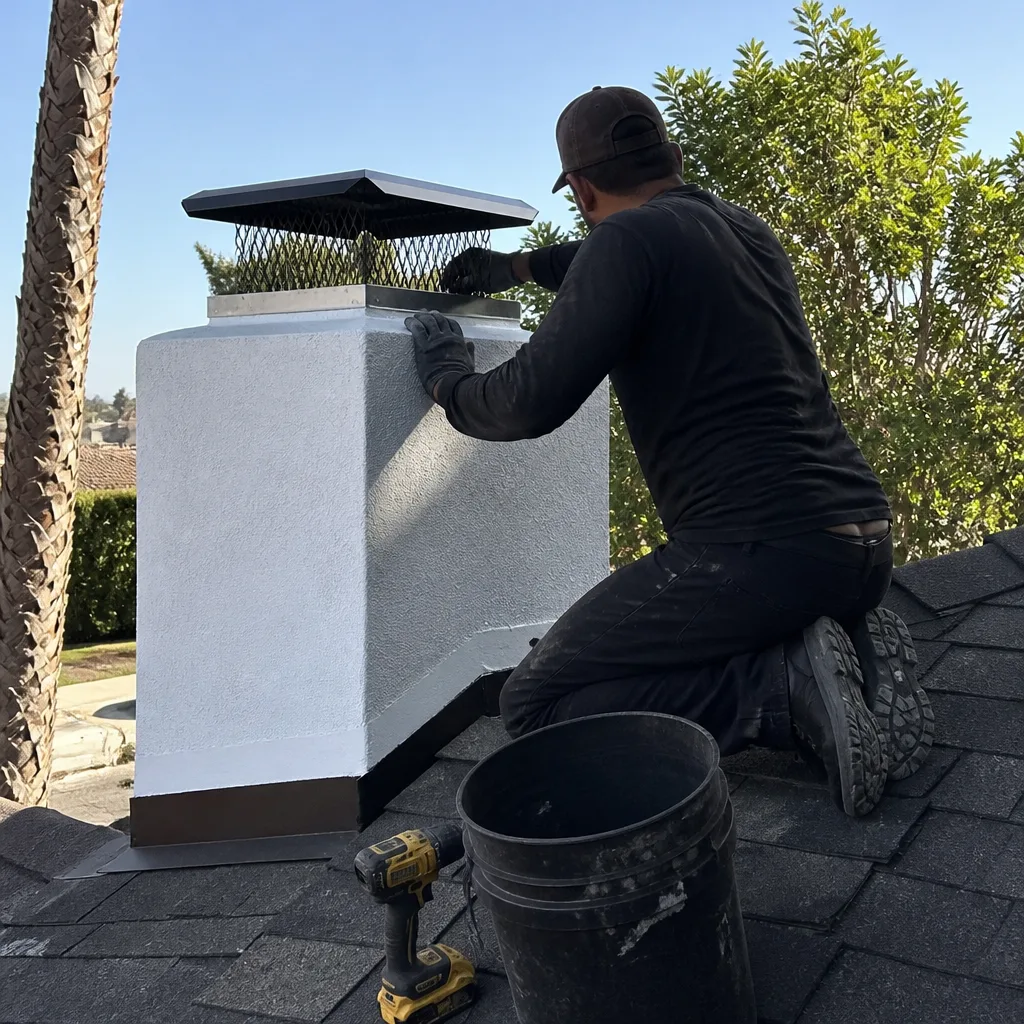 After
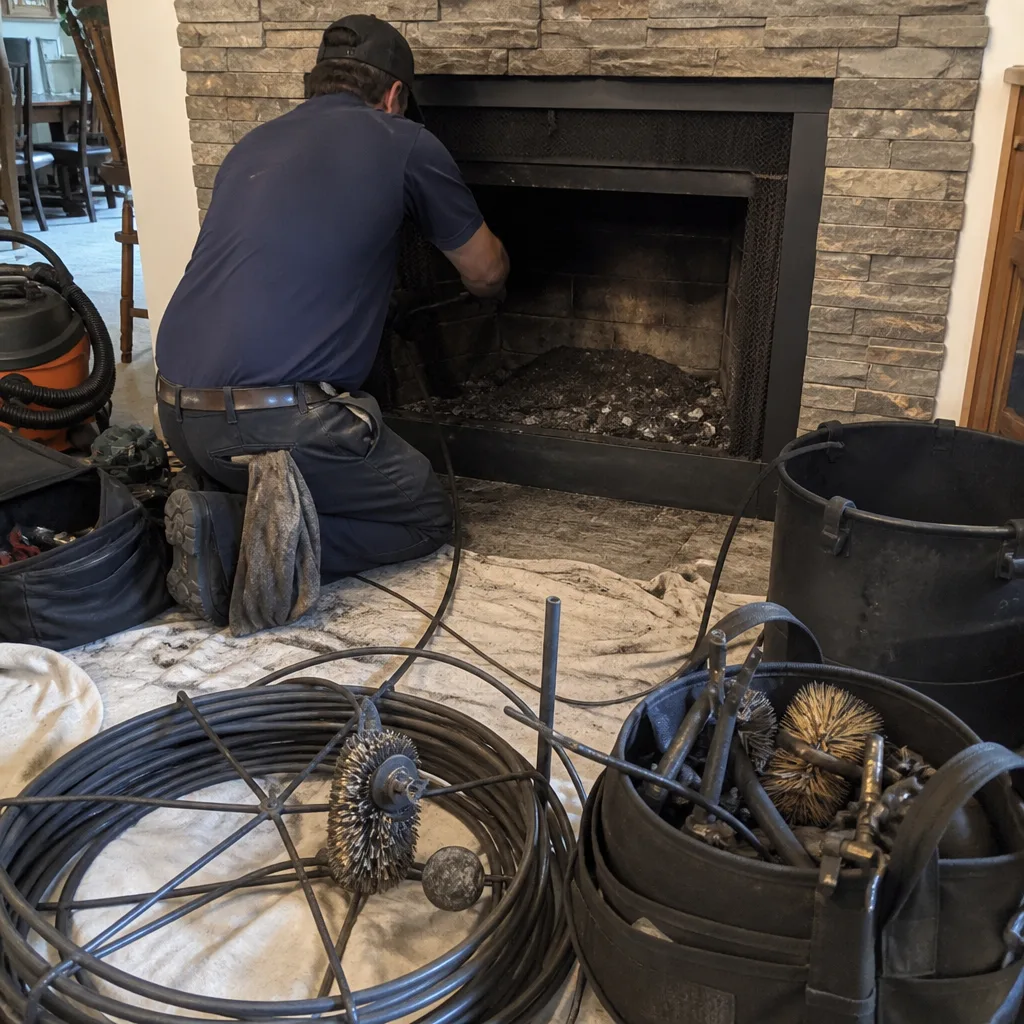 Before
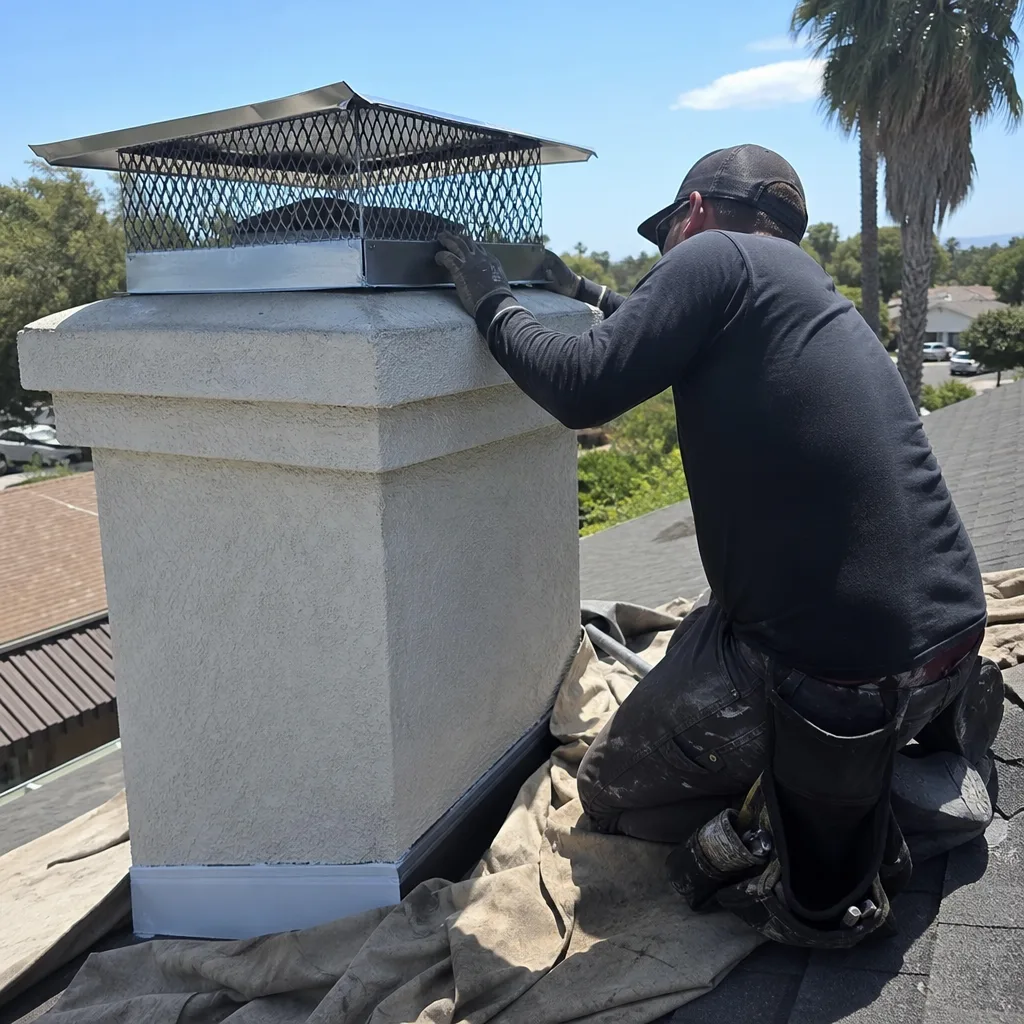 After