Last updated October 31, 2026
 Sweep & inspection
 Caps & crowns
 Flue relining
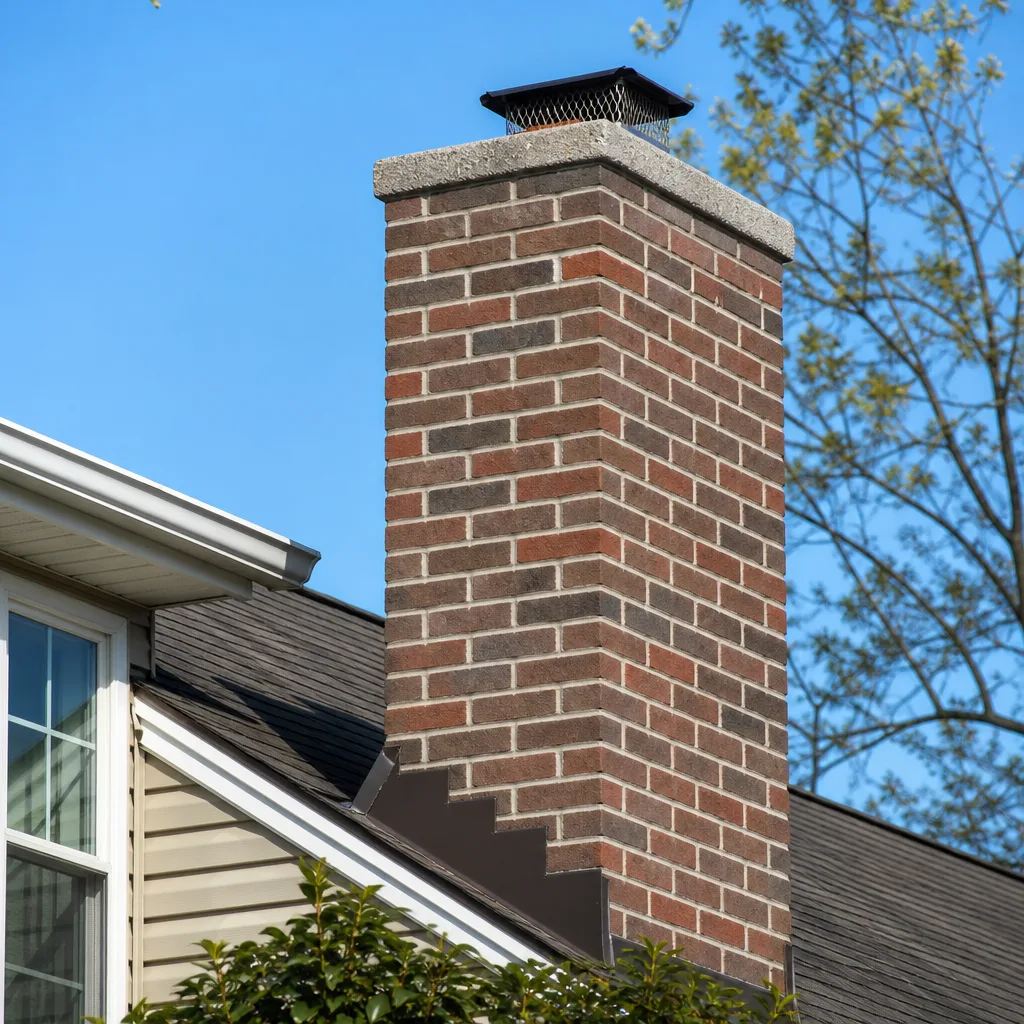 Masonry repair
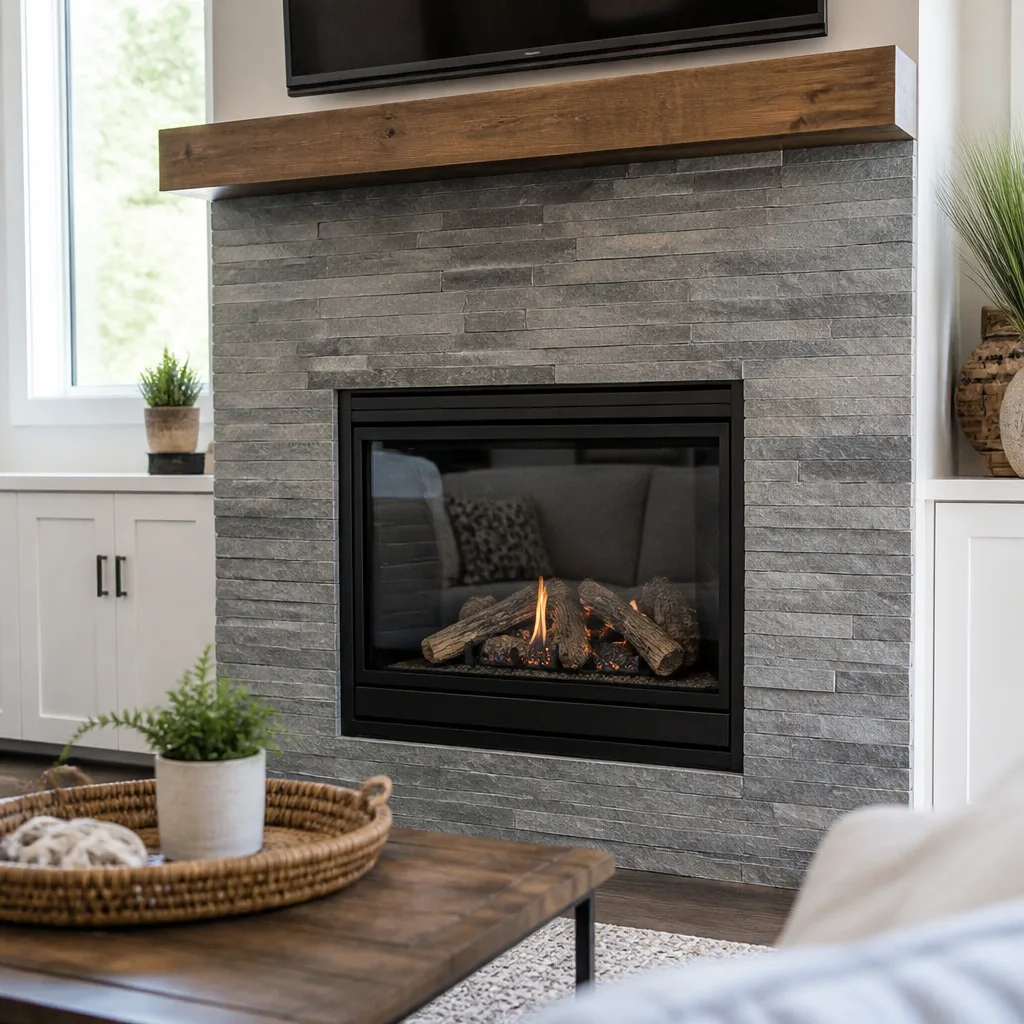 Gas fireplace service
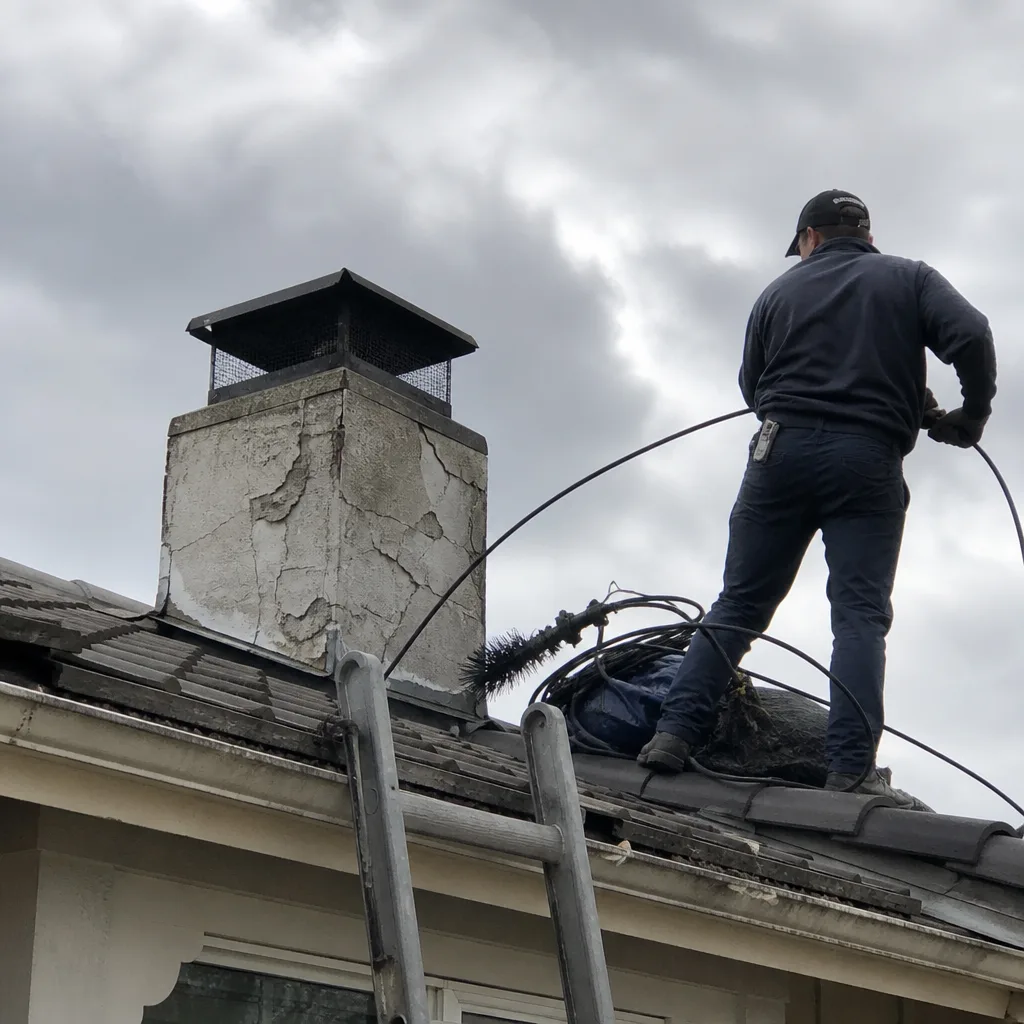
Level 1 sweep and inspection to the NFPA 211 annual standard - flue, crown, cap, and flashing checked and photographed
Chimney sweep logs do not sweep chimneys. They loosen some creosote - which then falls where a brush and vacuum still have to collect it.
DIY vs Professional Chimney Cleaning: The Garden Grove Homeowner’s Decision Guide
Here’s something most chimney guides won’t tell you: the actual brushing part of a chimney sweep is not that hard. You can buy a brush kit for under $60, run it up and down your flue, and collect a satisfying pile of soot. What you can’t do is see the hairline crack in your terracotta liner that’s been leaking combustion gases into your wall cavity for two seasons. That’s the real line between DIY and professional work in Garden Grove, and this guide draws it with specifics, not scare tactics. We’ll show you exactly what you can handle, what you can’t, and why a low-use Southern California chimney has failure modes that have nothing to do with how often you burn.
Styles & brands we work with
Quick Answer
DIY chimney cleaning is reasonable for light soot removal and visible-surface maintenance in a low-use fireplace, but it cannot replace a professional inspection in Garden Grove. The two most dangerous failure points in SoCal chimneys, the flue liner and the crown, are not visible from below the firebox opening with a flashlight. If your chimney is over 15 years old, was built before 1990, or hasn’t been professionally inspected in 3+ years, hire a pro. For simple ash cleanup and visual checks between professional visits, a homeowner can safely handle basic firebox maintenance.
Table of Contents
- What DIY Can Realistically Handle
- What You Cannot See From Below: The Liner and Crown Problem
- The Tool Cost Reality: What DIY Actually Costs
- What a Camera Inspection Reveals That a Flashlight Cannot
- The Insurance Reality: Claims and Professional Records
- The Garden Grove Decision Tree: When DIY Makes Sense
- Common Mistakes to Avoid
- When to Call a Professional
- Frequently Asked Questions
- The Bottom Line
What DIY Can Realistically Handle
We’ll be straight with you: some chimney maintenance is genuinely within a homeowner’s reach. Not because the work is trivial, but because the risks are low and the results are verifiable. In Garden Grove, where most fireplaces see 20 to 40 burns per year rather than nightly winter use, soot buildup is often light. That changes the math on what you can do yourself.
The Three Tasks a Capable DIYer Can Safely Do
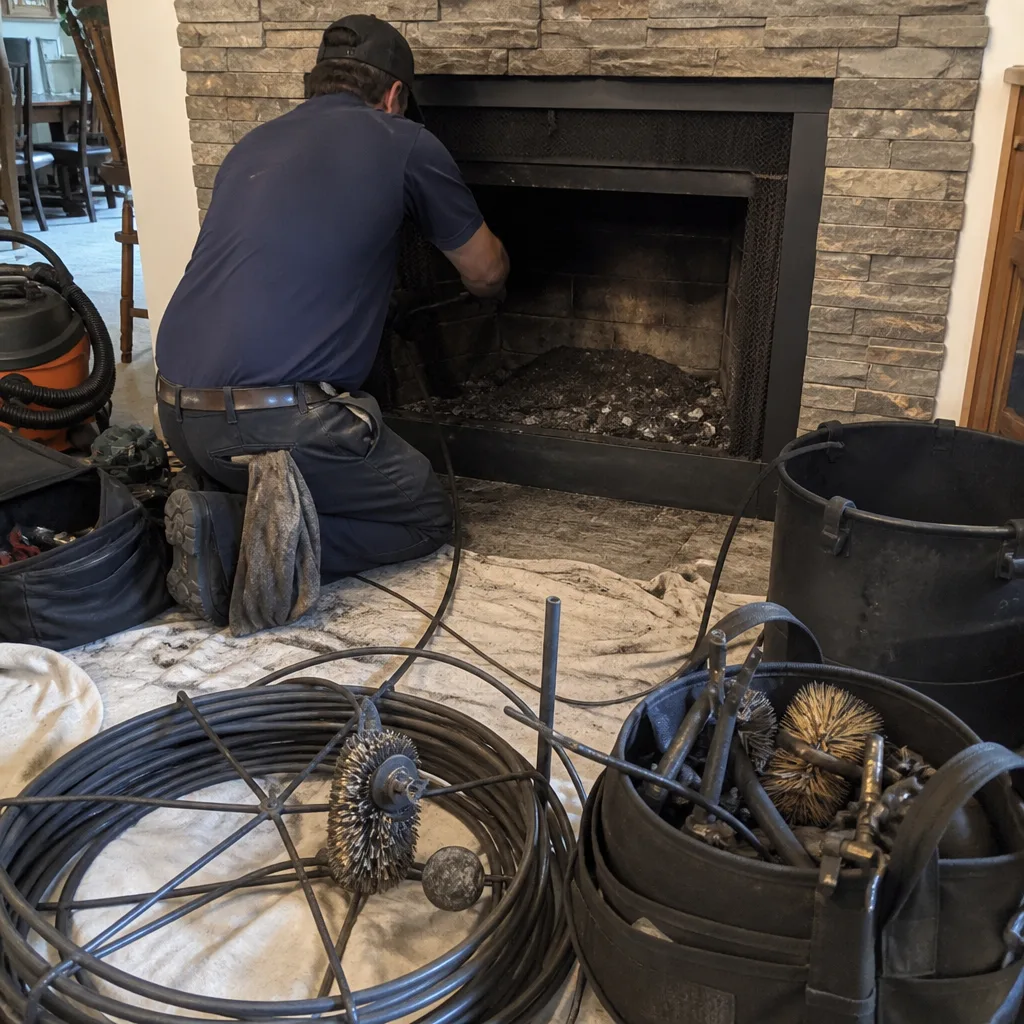
- Vacuuming the firebox and visible firebrick surfaces. A standard shop vacuum with a HEPA filter bag handles this fine. You’re removing loose ash and light soot from surfaces you can see and reach. No ladder work, no confined-space entry, no risk to concealed components.
- Brushing accessible soot from the lower flue. A basic 6-inch round wire brush with fiberglass extension rods costs $40 to $60 at any hardware store. From inside the fireplace, you can reach the first several feet of flue, which is where most visible soot accumulates. You’ll pull down creosote flakes and light soot. This is legitimate maintenance.
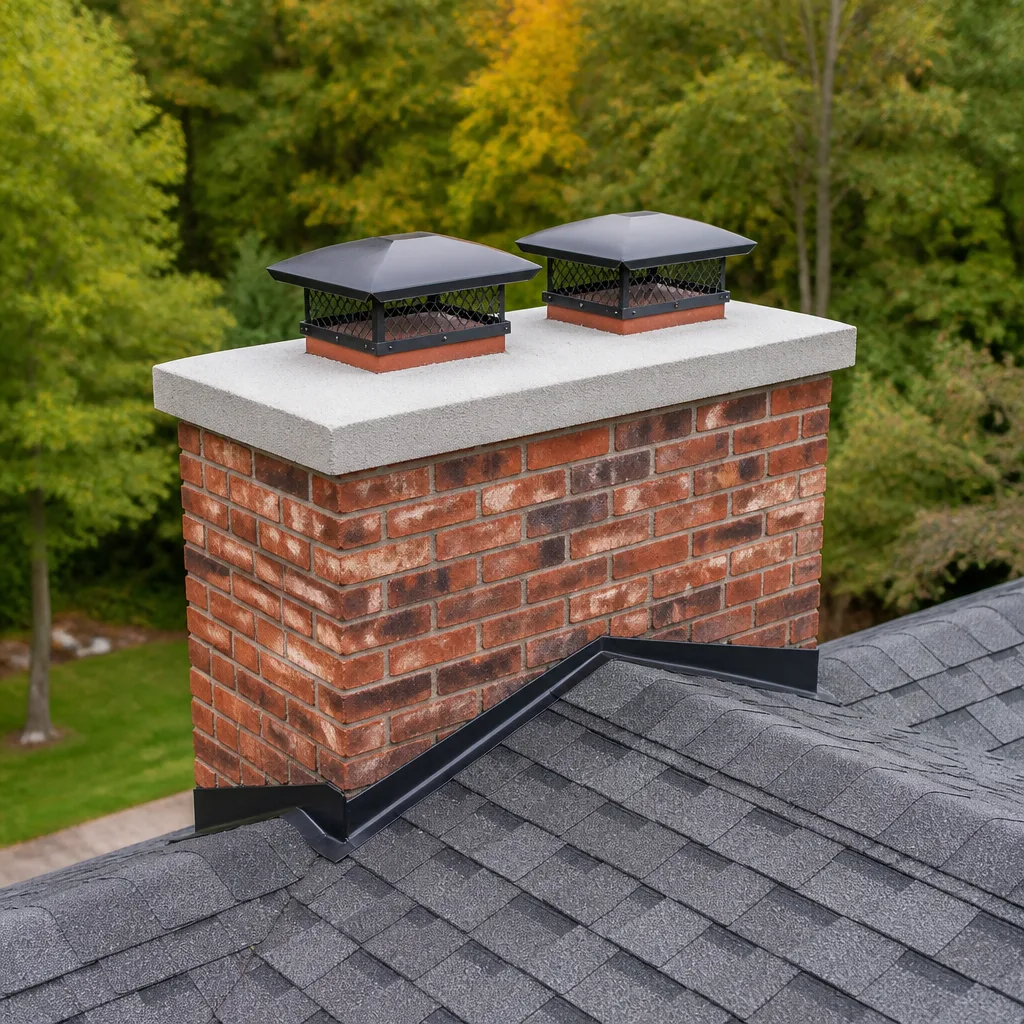
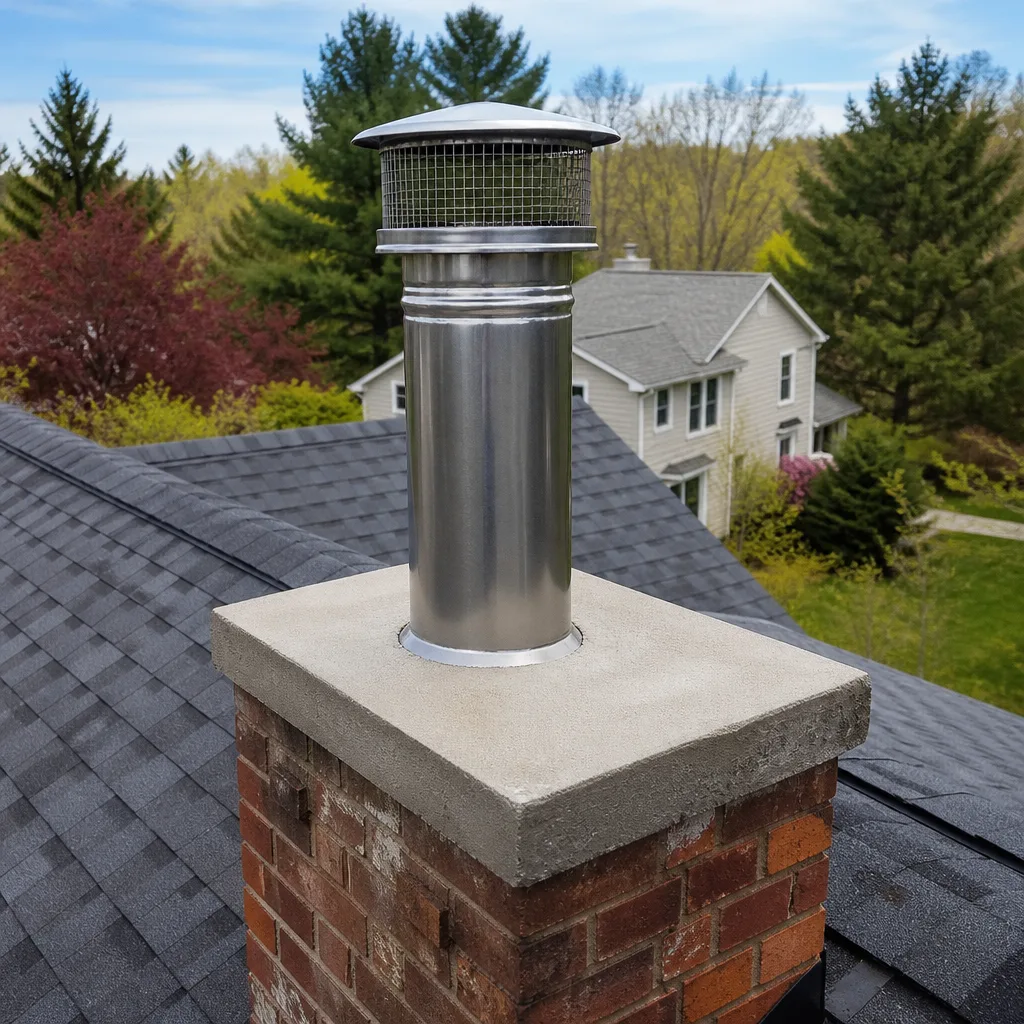
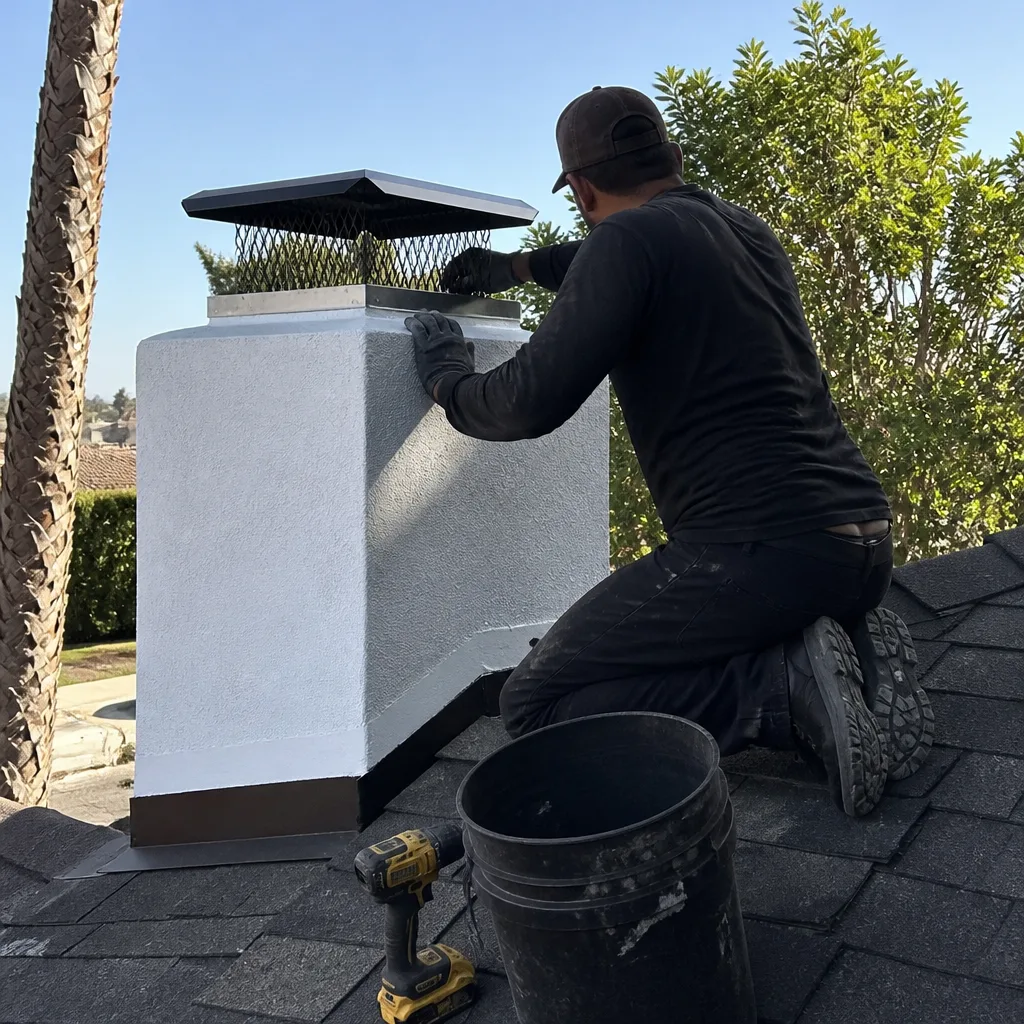
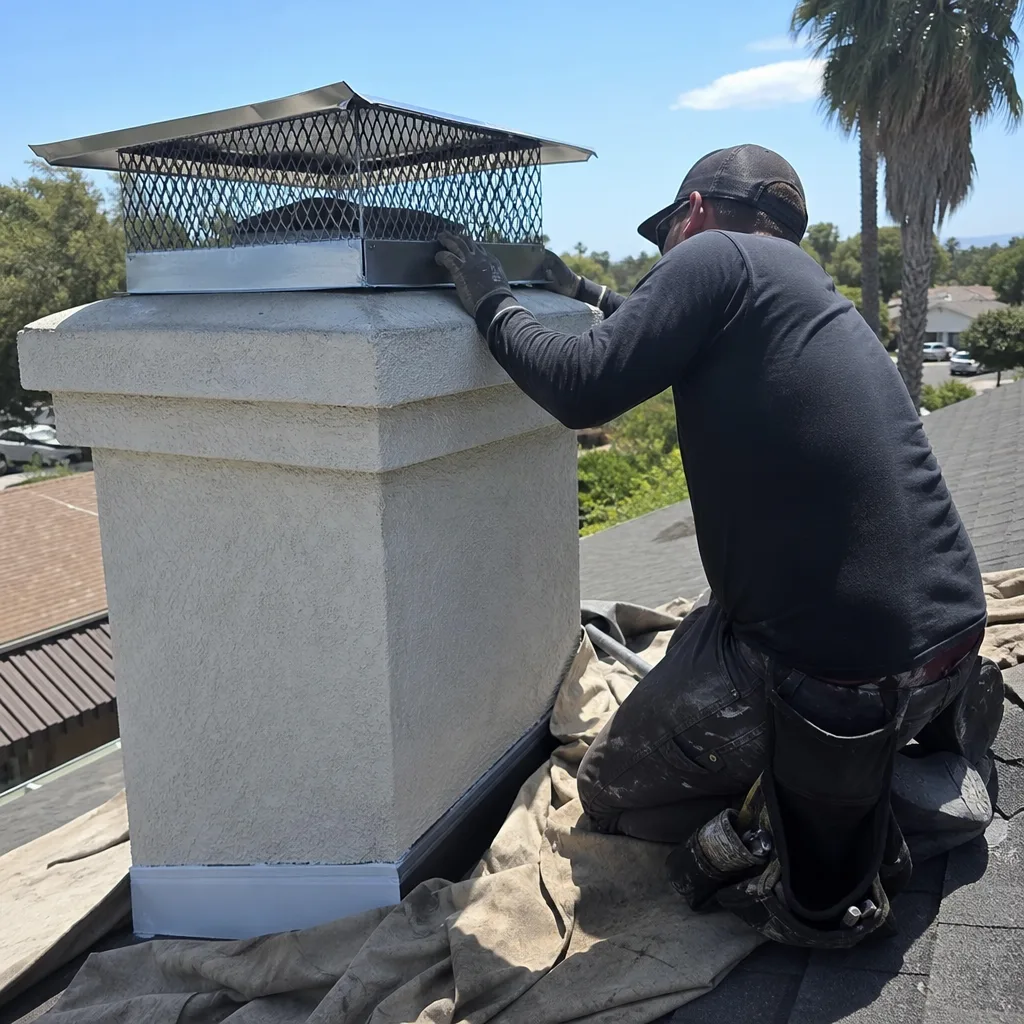
- Replacing a damaged chimney cap. If your cap is rusted through or missing and the flue opening is accessible from a one-story roof without steep pitch, a homeowner can swap it. Quality caps from brands like Olympia Chimney or Famco run $80 to $200 depending on size and material. The job takes 30 minutes with a drill and a tube of silicone sealant. This is the one DIY task that actually prevents real problems, because a missing cap lets rain, birds, and debris into a flue that then sits wet for months between burns.
That’s the honest list. Three tasks. Anything beyond this involves either confined-space entry, ladder work above one story, or inspection of components you cannot see.
What You Cannot See From Below: The Liner and Crown Problem
Here’s where the DIY conversation gets real, and it’s specific to how chimneys age in Garden Grove. The two components that fail most often in Southern California chimneys are the flue liner and the crown. Neither is visible from below the firebox opening with a flashlight, regardless of how bright that flashlight is.
The flue liner, typically terracotta tile in homes built before the 1990s, is a vertical stack of clay segments inside your chimney. You can see the first tile or two from the firebox, but the remaining 15 to 25 feet of liner above it are invisible without a camera. Cracks in terracotta liners develop for reasons that have nothing to do with how often you burn. Thermal cycling from occasional fires, seismic settling common in Garden Grove’s clay soil, and the slow freeze-thaw stress of fog-heavy winters all stress clay liners over decades. A crack in the upper third of the liner allows combustion gases, carbon monoxide included, to escape into the chimney chase or wall cavity. No brush removes that. No vacuum fixes it. You simply cannot diagnose it from the ground.
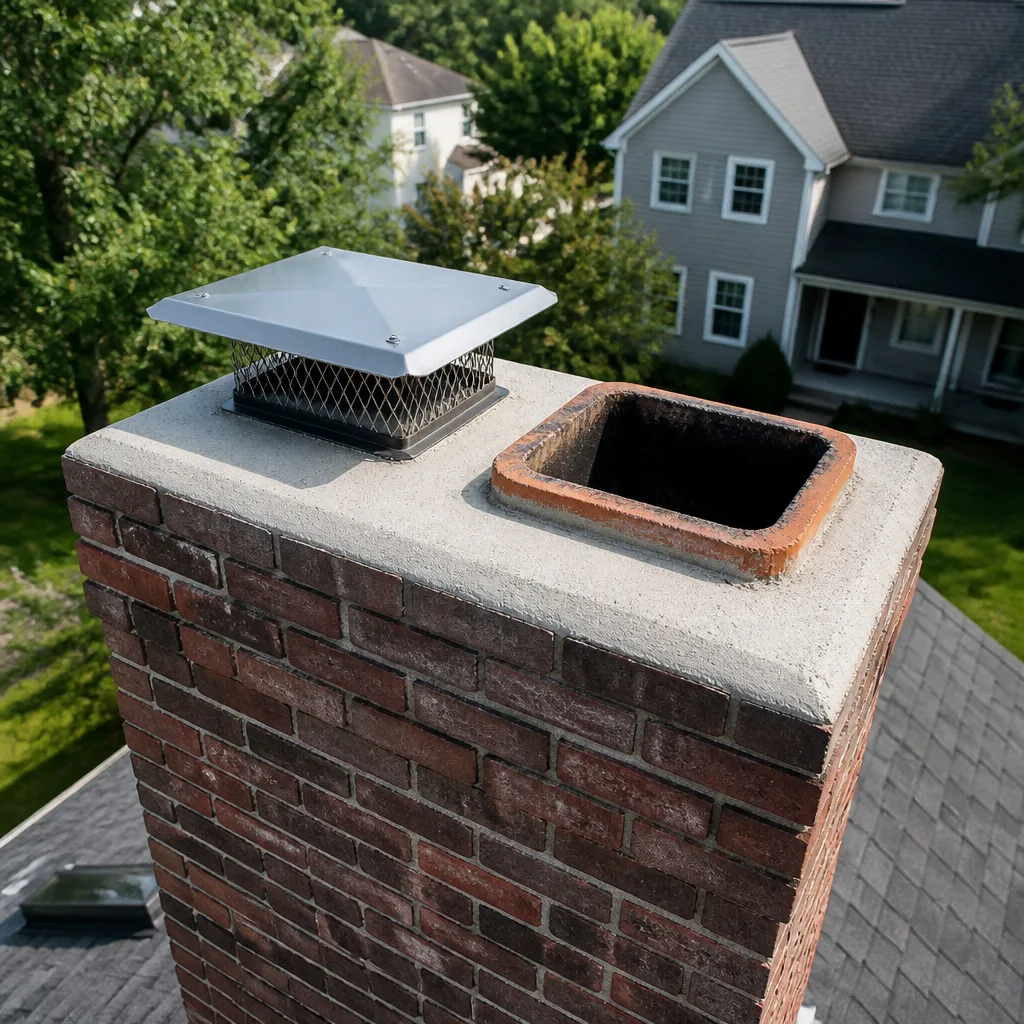
The crown is the concrete or mortar slab at the top of the chimney that sheds water away from the flue. In Garden Grove, crowns fail from a combination of sun exposure, marine air, and the occasional heavy rain that makes Southern California homeowners remember their drainage systems exist. A cracked crown lets water penetrate the chimney structure, which then soaks the refractory mortar, rusts the damper assembly, and accelerates liner deterioration. From your backyard, a hairline crack in the crown looks like nothing. Under a camera, it’s a water intrusion pathway.
Our technicians who perform chimney sweeps in West Athens and surrounding Orange County neighborhoods see these crown failures weekly. Almost none of them were visible to the homeowner before inspection.
The Tool Cost Reality: What DIY Actually Costs
Let’s put honest numbers on the DIY investment because this is where most guides fudge it.
- Basic brush kit with rods: $40 to $60
- Shop vacuum with HEPA filter: $60 to $120 if you don’t already own one
- Drop cloths and plastic sheeting: $15 to $20
- Replacement chimney cap (Olympia Chimney or Famco): $80 to $200
- Safety goggles and N95-rated dust mask: $20 to $30
Total for a legitimate DIY setup: $215 to $430. That’s before you factor the time, the cleanup, and the reality that you’ll still need a professional inspection at some point because the liner and crown remain uninspected. A professional sweep in Garden Grove that includes the full camera inspection of the liner and crown typically runs in the same ballpark as buying all this gear. The difference is that the professional service ends with documentation, a written condition report, and a trained set of eyes on the components that actually fail.
We’re not saying the DIY route is a waste. If you own a one-story home with a fireplace you use occasionally and you want to replace your own cap and vacuum your own firebox between professional visits, that’s sensible. The tools pay for themselves if you use them annually. But understand what you’re buying: maintenance capability, not inspection capability.
What a Camera Inspection Reveals That a Flashlight Cannot
A chimney camera is not a fancy gimmick. It’s a waterproof, high-definition camera on a semi-rigid cable that gets pushed up the flue from inside your firebox or down from the crown. It shows, in real time, the condition of every liner tile, the mortar joints, the smoke chamber, and the interior of the crown. Here’s what that actually catches in Garden Grove homes.
In our experience, the most common finding in low-use SoCal chimneys is not creosote. It’s spalling, which means the inner surface of terracotta tiles flaking off in thin sheets. Spalling happens when water repeatedly soaks into the clay and dries out, taking a layer of the tile with it each cycle. A spalled liner looks flaky or pitted on camera. Its structural integrity is compromised, and the flue gas path is no longer sealed. A homeowner with a flashlight sees the first tile from the firebox and it looks fine. The spalling is 12 feet up.
We also routinely find separated mortar joints between liner tiles, especially in chimneys over 25 years old. When mortar fails between tiles, the flue is no longer a continuous sealed column. Carbon monoxide escapes through those gaps. Birds and rodents nest in the voids. In Garden Grove’s older housing stock, which includes a significant number of 1960s and 1970s ranch homes, these mortar failures are common. The camera shows exactly which joint is failing and at what height, which matters because repair options differ by location and severity.
Finally, a camera inspection documents what a visual inspection cannot: the smoke chamber. This is the sloped transition area above the firebox where smoke funnels into the flue. In many older chimneys, the smoke chamber is corbeled brick with rough, exposed mortar joints. Creosote and soot accumulate there in ways that cannot be seen or reached with a basic brush. This area matters for smoke draw and for fire risk. It is invisible from below and only partially reachable from above.
When we perform chimney repairs in West Athens and nearby Garden Grove areas, the camera footage from the initial inspection is typically the moment a homeowner understands what they’re actually dealing with. Until then, it’s all guesswork.
The Insurance Reality: Claims and Professional Records
Here’s a question that rarely appears in DIY chimney guides but should be the first one any homeowner asks: what happens to an insurance claim when a fire originates in a self-serviced chimney with no professional records?
The answer is uncomfortable. Insurance companies investigate chimney fires carefully. If a fire originates in the chimney and the homeowner cannot produce documentation of professional chimney maintenance, the claim process becomes materially harder. Not impossible, but adversarial. The insurer will ask when the chimney was last professionally inspected, what the findings were, and whether the flue condition was known. If the answer is “I clean it myself,” the insurer’s position is straightforward: the homeowner assumed responsibility for the condition of a concealed combustion component without the training or equipment to inspect it. Denied or reduced claims in this scenario are not hypothetical.
A professional sweep creates a paper trail. It documents the flue condition on a specific date, with specific findings, using a camera that recorded the interior condition. That record is exactly what an insurance adjuster needs to process a claim without an extended dispute. It says the homeowner did what a reasonable person would do to maintain a fire-safety component. In Garden Grove, where a chimney fire in an older home can quickly involve the wall framing, the difference between a smooth claim and a contested one is often that record.
This is not a sales pitch. It’s the same reasoning that applies to any concealed system in your home. You can change your own brake pads and document it, or you can let a mechanic do it and have the receipt. Both are legitimate. Only one of them makes an insurer’s job easy when something goes wrong.
The Garden Grove Decision Tree: When DIY Makes Sense
Rather than a blanket statement, here’s a decision tree based on the specific factors that determine whether DIY chimney maintenance is reasonable for your Garden Grove home. Work through these in order.
- How old is your home? If it was built before 1990, it almost certainly has a terracotta liner. Terracotta liners crack, and cracks are invisible without a camera. DIY is fine for firebox cleanup, but you need a professional inspection at least once, and preferably every 3 years after. If the home was built after 1990, you may have a stainless steel liner, which fails differently and less often, but still needs to be verified.
- When was the last professional inspection? If never, you’re overdue. Not because your chimney is dirty, but because you have no baseline for its condition. You can’t make an informed DIY decision without knowing whether the liner is intact. If it has been professionally inspected within the last 2 years and no issues were found, annual DIY firebox maintenance is reasonable between professional checkups.
- How often do you burn? Garden Grove’s mild climate means most fireplaces see seasonal use, not daily winter use. Low-use chimneys don’t accumulate dangerous creosote levels quickly, which supports the DIY-maintenance position for light soot removal. But low-use chimneys have their own problem: they sit unused for months, which gives moisture time to do damage. The less you burn, the more important the moisture-related inspection becomes.
- Is your roof one story with a shallow pitch? If yes, DIY cap replacement and visual inspection of the exterior crown are realistic. If no, stay off the roof. Ladder work above one story or on a steep pitch is not worth the savings. Garden Grove’s older neighborhoods have plenty of one-story homes with walkable roofs, but the newer subdivisions on the east side often have steeper pitches that make roof access a professional’s job.
- Does your home have a history of water intrusion or fireplace odor? If you’ve ever noticed a musty smell from the fireplace after rain, or efflorescence (white mineral staining) on the exterior brick, you have a water problem. No amount of DIY cleaning fixes water entry. You need a professional to determine whether the crown, the flashing, or the cap is the source.
If you answered “pre-1990 home” and “never professionally inspected,” the decision tree ends there. Book an inspection. The DIY route is premature until you know what you’re working with. Walnut Chimney works with professional-grade liner and repair materials including DuraFlex, which matters because if the inspection finds liner damage, the repair can often be addressed in one comprehensive service call rather than a referral to another contractor.
Common Mistakes to Avoid
- Assuming a low-use chimney is automatically safe. In Garden Grove, the chimneys that fail most often are in homes where the fireplace gets used twice a year. Inactivity lets moisture sit, and moisture is what destroys liners and crowns. Frequency of use is not a safety proxy.
- Using a standard household vacuum without a HEPA filter. Fireplace soot is extremely fine and contains combustion byproducts that a regular vacuum will blow right back into the room. You need a vacuum with a true HEPA filter or a dedicated ash vacuum designed for the task.
- Judging flue condition by looking up from the firebox. The visible portion of the flue is the first few feet. The failures happen above that, in the upper two-thirds of the liner. No flashlight changes this.
- Patching crown cracks with roof tar or silicone caulk. These temporary fixes fail within a season or two, and they can trap moisture behind the patch, making the underlying deterioration worse. Crown repair requires cementitious materials rated for chimney use, which is a repair job, not a DIY caulk job.
- Ignoring the dryer vent while focusing on the chimney. Garden Grove homeowners who maintain their chimney but never clean their dryer vent are missing the more statistically likely fire hazard. Dryers cause far more home fires annually than chimneys. Walnut Chimney addresses dryer vent cleaning in West Athens and throughout the Garden Grove area as a core safety service precisely because the two hazards belong in the same conversation.
- Replacing a chimney cap with the wrong size or material. A cap that doesn’t properly cover the flue opening is worse than no cap at all because it creates partial blockage that affects draft. Professional-grade caps from brands like Famco or Copperfield are sized to the flue opening, not guesswork.
- Waiting until fall to think about the chimney. In Garden Grove, the best time for chimney work is spring or summer, when service demand is low and any repairs can cure properly before the burning season. By the time the first cool night arrives, everyone schedules at once.
When to Call a Professional
Call a professional if your home was built before 1990 and the chimney has never been camera-inspected. Call if you see water staining on the ceiling near the chimney, efflorescence on the exterior brick, or rust on the damper assembly. Call if you smell smoke in the house after a fire has been out for hours, which indicates a draft or liner problem. Call if you notice flaking terracotta pieces in the firebox, which means the liner is spalling somewhere above. Call if the home is new to you and you have no maintenance history for the chimney. In any of these scenarios, the issue is not soot, and no brush or vacuum will fix it. Walnut Chimney offers free estimates in Garden Grove. Call (855) 341-3461 and we’ll inspect the flue with a camera, show you what we find, and tell you plainly whether anything needs to be done. No scare tactics, just footage and facts.
Frequently Asked Questions
A professional chimney sweep in Garden Grove typically ranges from $180 to $350 depending on the chimney’s size, condition, and access requirements, and most reputable companies include a camera inspection of the liner and crown in that price. Homes with pre-1990 terracotta liners or steep roof access typically land on the higher end of that range. A sweep that replaces a missing cap or includes significant creosote removal will cost more. Call (855) 341-3461 for an exact quote, estimates are free.
The National Fire Protection Association standard is to have a chimney inspected annually and swept when creosote buildup reaches 1/8 inch or more, but in Garden Grove’s low-use climate, a professional inspection every 2 to 3 years is a practical minimum for safety. Homes that burn more than 40 fires per season or burn unseasoned wood should be inspected more often. The inspection matters more than the sweep in our climate because moisture-related failures progress even when the fireplace sits unused.
Two things happen in parallel: creosote, even light creosote, becomes a potential fuel source if your chimney has a hot fire, and undetected liner or crown deterioration continues progressing regardless of whether you burn. The creosote risk is manageable with infrequent burning. The structural risk is not. A cracked liner or a failed crown does not improve with time, and the repair typically costs more the longer it waits. Call (855) 341-3461 for a professional evaluation before assuming you have time.
Yes, you can handle firebox vacuuming, light soot brushing, and cap replacement yourself if your chimney has been professionally inspected within the last few years and no issues were found. The inspection part is not negotiable because occasional use does not prevent liner and crown failure, it actually accelerates moisture-related damage by giving water time to sit. Clean what you can see between professional visits, but don’t mistake DIY cleaning for DIY inspection.
You need a new liner if a camera inspection documents cracks, spalling, or separated mortar joints in the existing liner, and you should never accept that recommendation without seeing the footage yourself. Legitimate chimney companies in Garden Grove show you the camera feed in real time and explain exactly what the liner condition means. Walnut Chimney uses Walnut Chimney home, our main service hub for Garden Grove and surrounding areas, and we make the camera footage available on every inspection because the recommendation has to be verifiable. If a liner replacement is proposed without camera evidence, get a second opinion.
Statistically, dryer vent cleaning is more important than chimney cleaning for fire prevention because dryer lint fires cause more home structure fires annually than chimney fires. The NFPA identifies dryers as one of the leading causes of home fires, and the primary cause is lint accumulation in the vent line. Garden Grove homes with long vent runs through walls or crawl spaces are particularly susceptible. If you’re addressing fire safety in your home, both systems belong in the same maintenance calendar.
The Bottom Line
The DIY versus professional chimney debate in Garden Grove comes down to a simple distinction: maintenance versus inspection. You can maintain what you can see. You can vacuum the firebox, brush accessible soot, and replace a cap. You cannot inspect what you cannot see, and in a Southern California chimney, the components that matter most, the liner and the crown, are hidden from view. A low-use fireplace is not a safe fireplace by default. The failures that plague Garden Grove chimneys are water-driven and structural, not soot-driven. Your decision should be based on your home’s age, inspection history, and roof access, not on a myth that occasional burning means nothing to worry about.
Written by the team at Walnut Chimney, serving Garden Grove since 2017.
See the difference
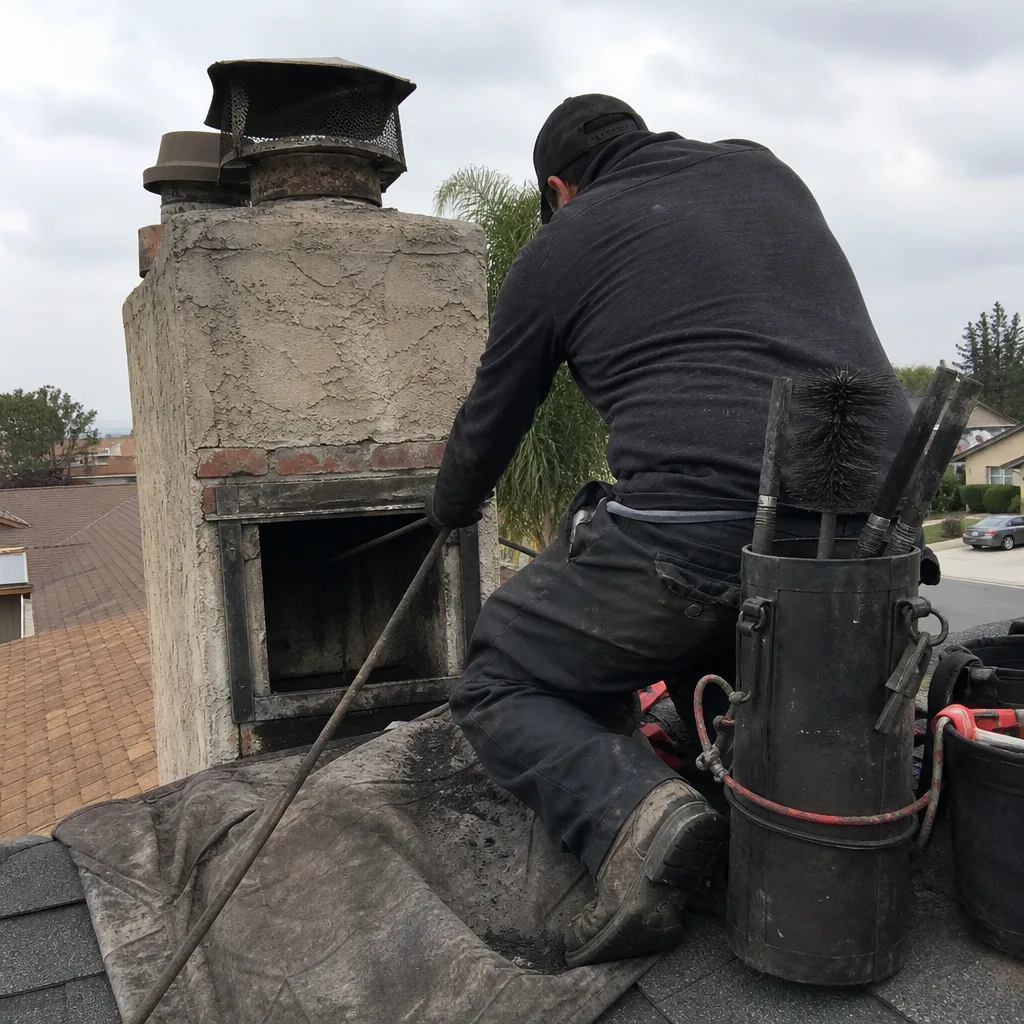 Before
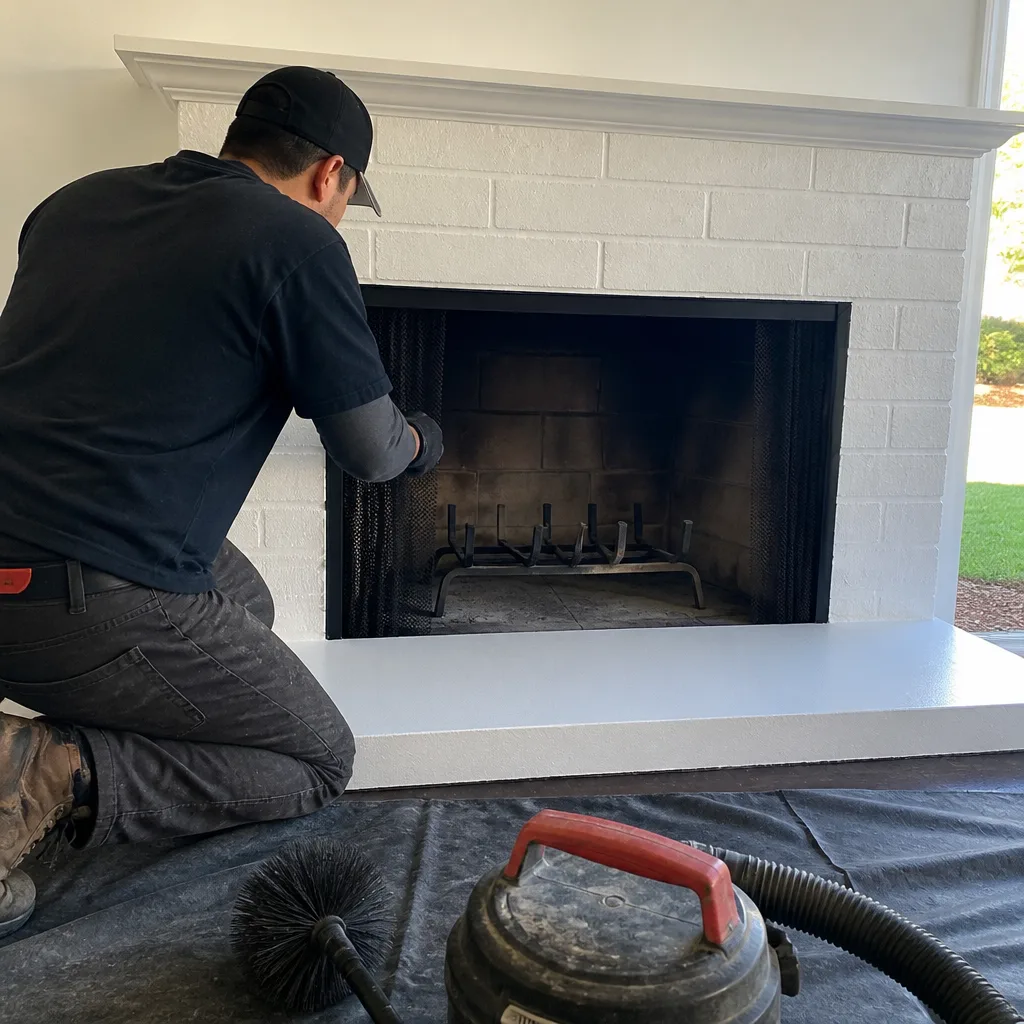 After
 Before
 After
 Before
 After