
Last updated October 31, 2026
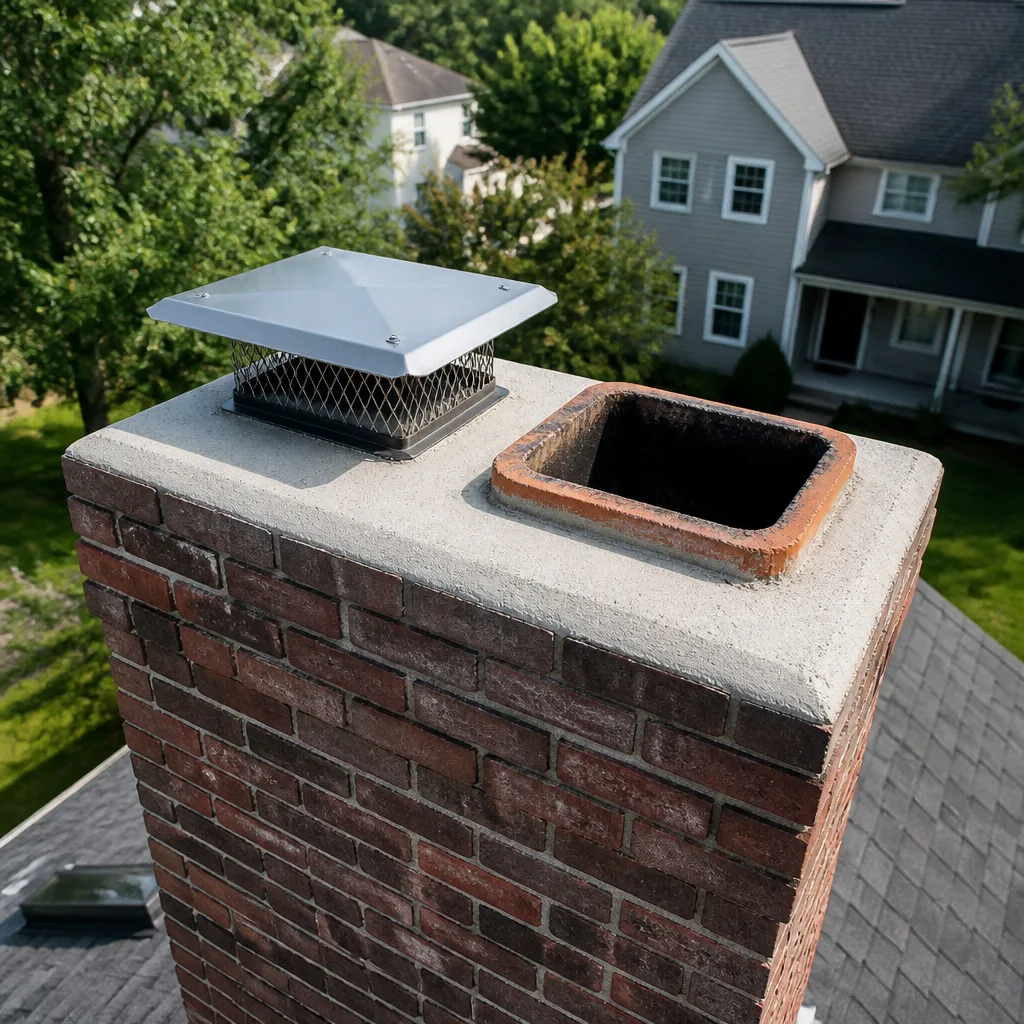 Sweep & inspection
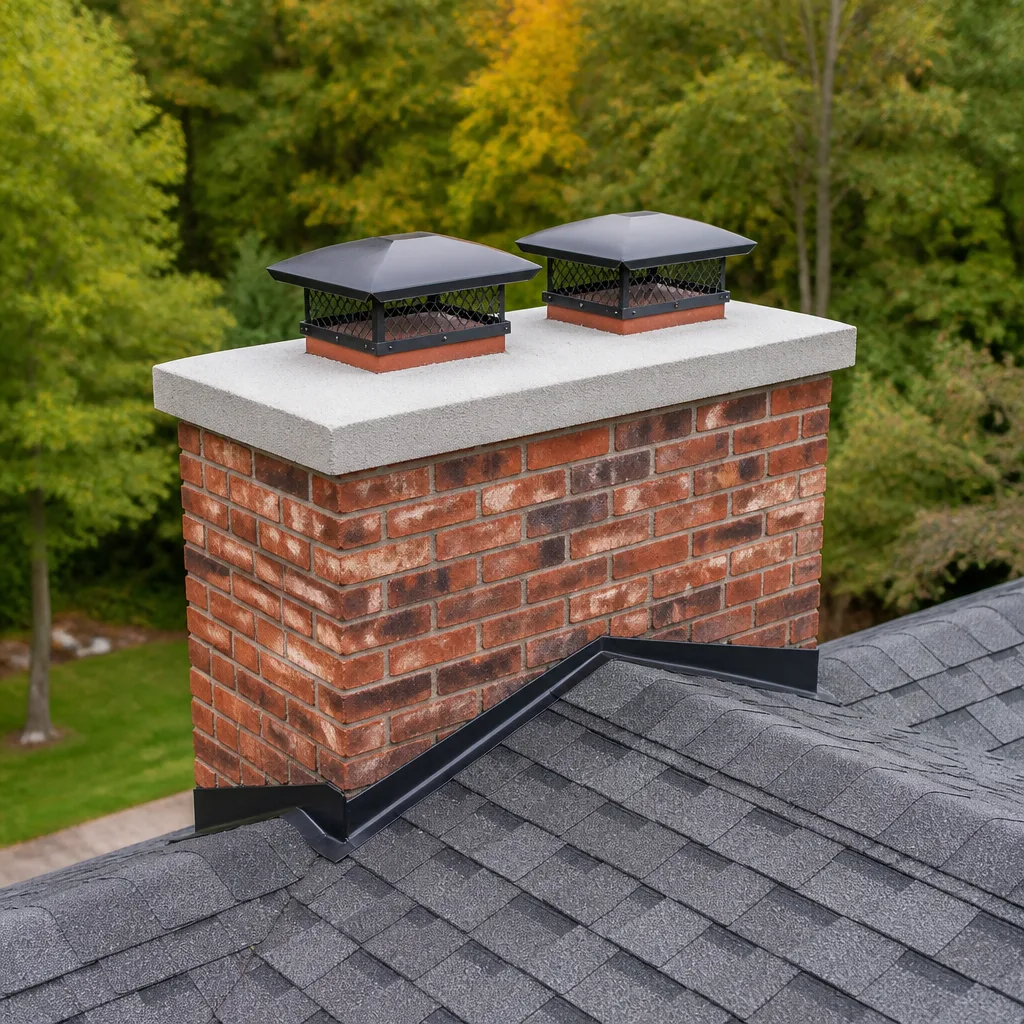 Caps & crowns
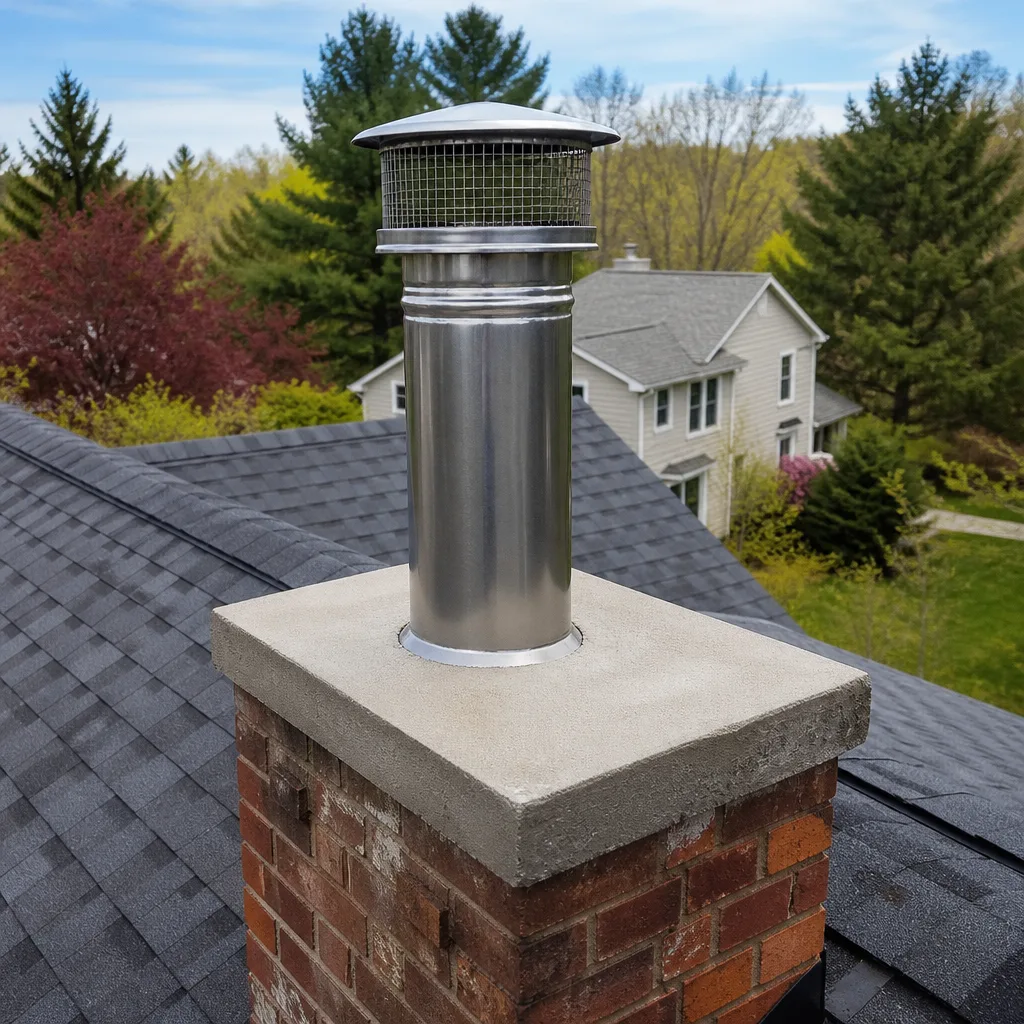 Flue relining
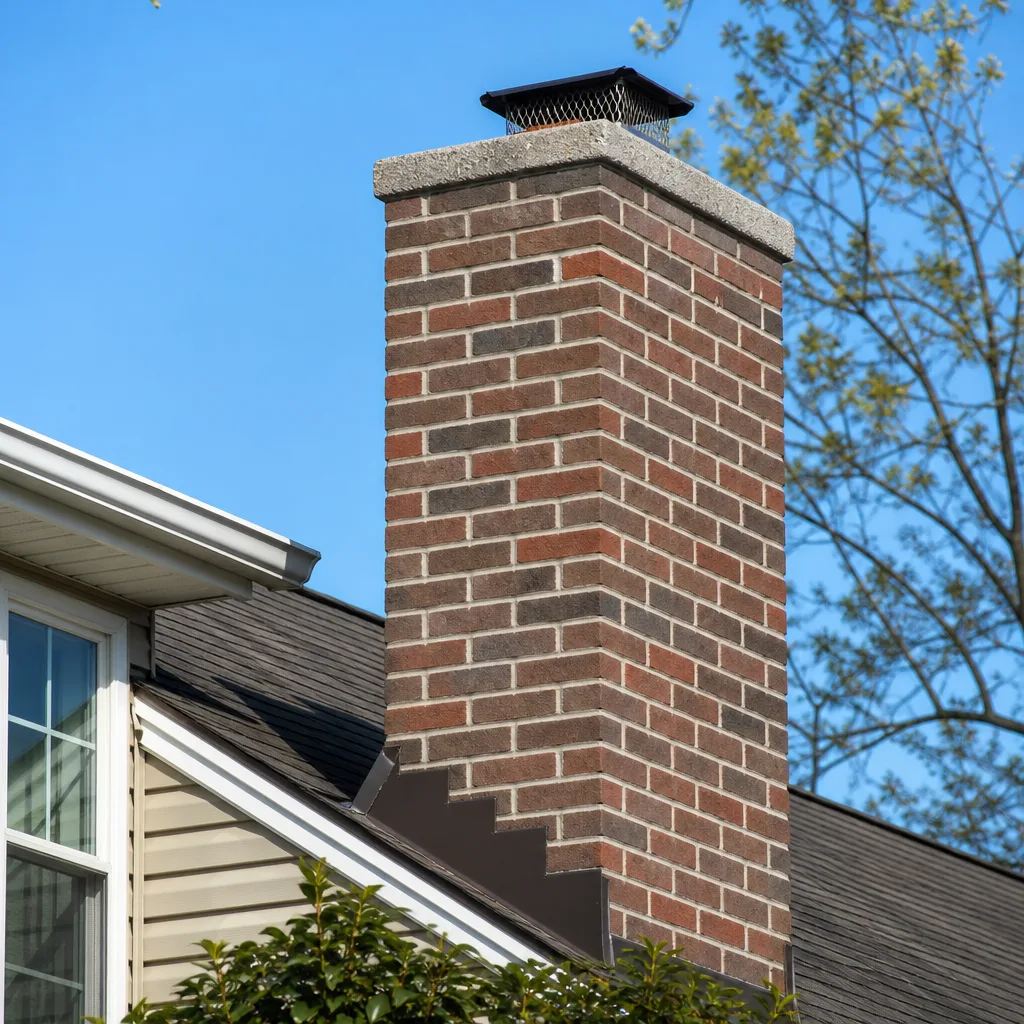 Masonry repair
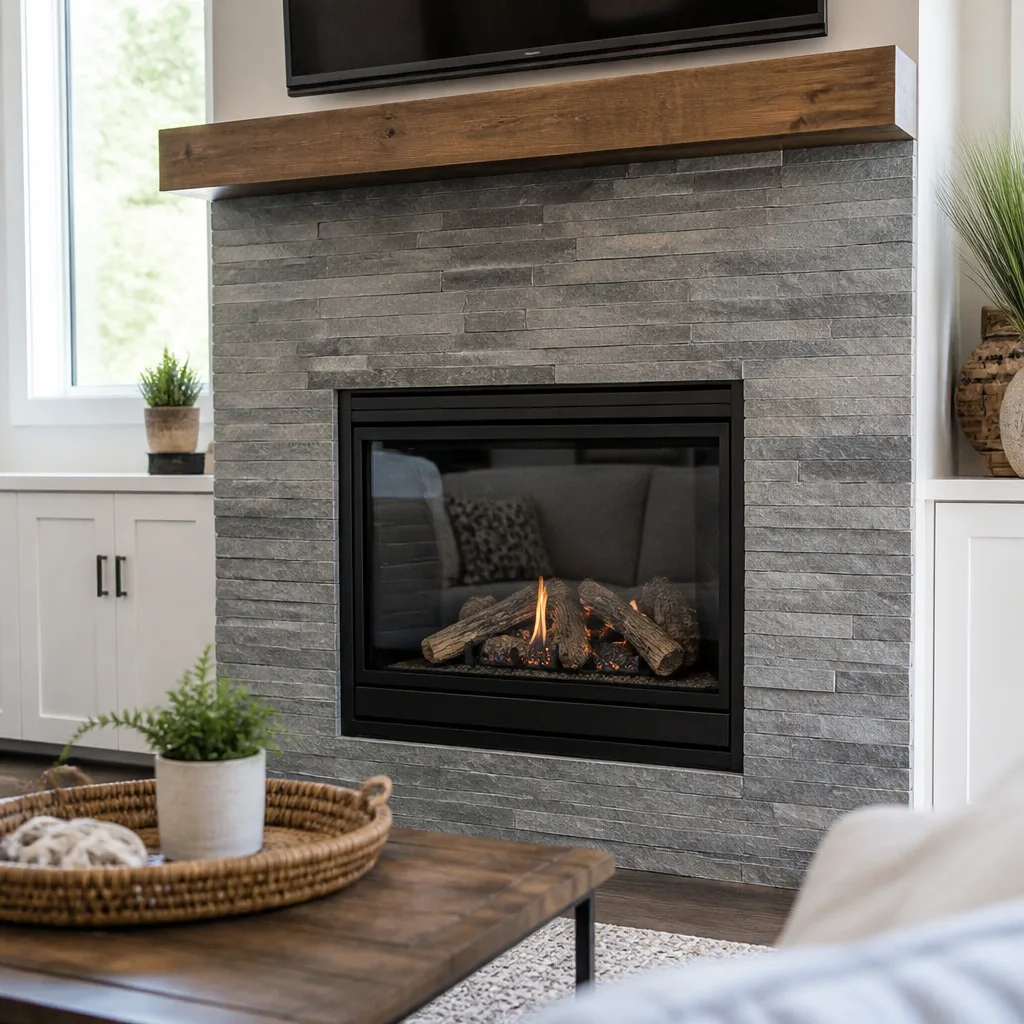 Gas fireplace service
Level 1 sweep and inspection to the NFPA 211 annual standard - flue, crown, cap, and flashing checked and photographed
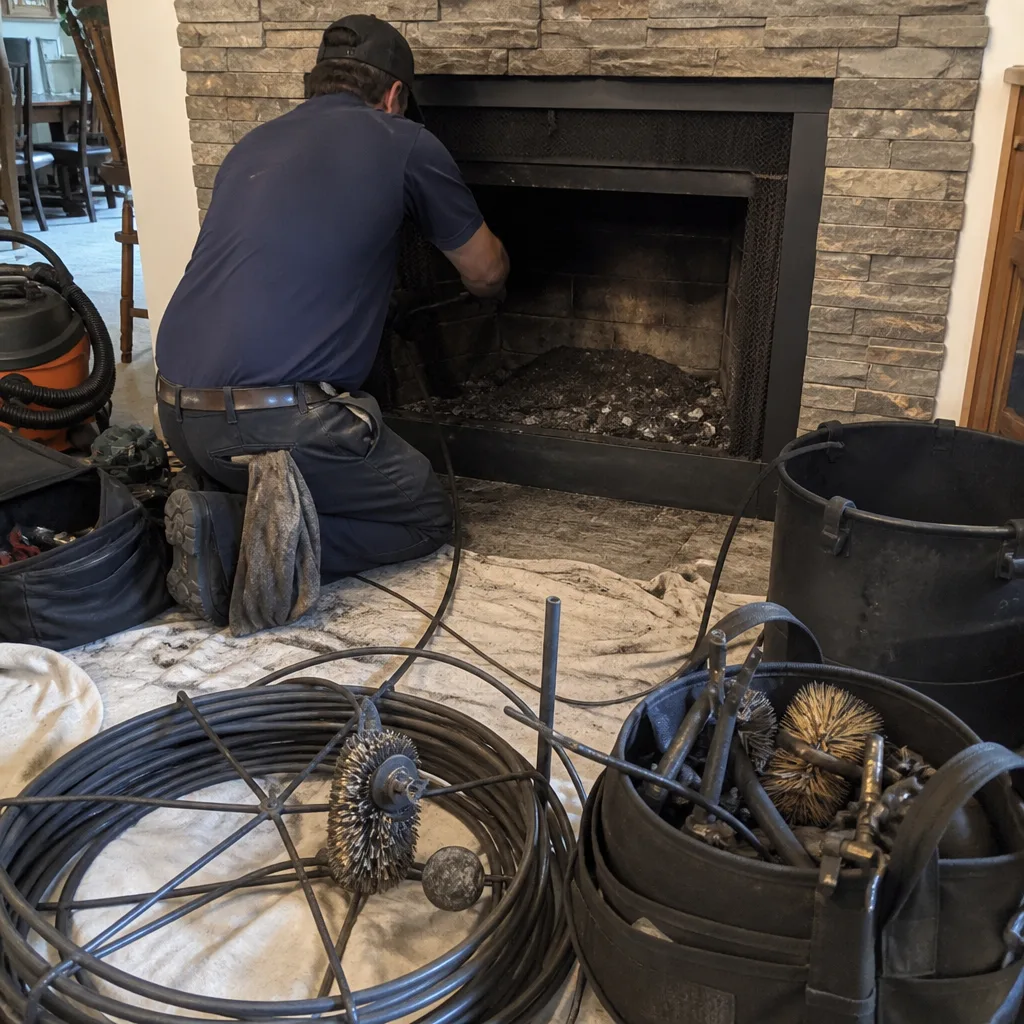
Chimney sweep logs do not sweep chimneys. They loosen some creosote - which then falls where a brush and vacuum still have to collect it.
Seasonal Chimney Cleaning Care for Garden Grove: Year-Round Homeowner’s Guide
Most chimney guides you’ll find were written for places with real winters. Garden Grove is different. We don’t have a burning season that stretches from October through April. We have a short, intense firing window from roughly November through February, followed by eight months where the fireplace sits idle. That long dormant stretch is when a surprising amount of damage happens. Santa Ana winds push combustion gases and fine debris back down unlit flues, summer heat bakes chimney crowns until hairline cracks form, and the wet tail of winter seeps into every fissure before the long dry spell locks the moisture in place. This guide explains what actually happens to a chimney in Garden Grove’s climate, and how to care for yours with a schedule that fits our two-season reality instead of fighting it. For Chimney Cleaning Permits, Codes & Inspections in CA: What You Need to Know, see our compliance overview.
Styles & brands we work with
Quick Answer
For Garden Grove homeowners, effective chimney care comes down to two service windows each year, not four. Schedule a professional chimney sweep and inspection in September, before fire weather peaks, and a post-season inspection in late February or early March, after the last fire, to catch moisture intrusion and structural wear from the winter storms. Most importantly, keep the chimney capped year-round. Between those two touchpoints, seasonal maintenance is simple: monitor the cap, watch for signs of moisture or animal activity, and run the fireplace only when the flue is clean and clear. For a deeper look at pricing, see our Chimney Cleaning Cost Breakdown: The Garden Grove Homeowner’s Reference for 2026.
Table of Contents
- Why Garden Grove Chimneys Deteriorate Differently
- The Santa Ana Factor: What Wind Does to an Unlit Chimney
- Why September, Not November, Is the Right Time for Pre-Season Cleaning
- How Summer Heat Accelerates Crown Cracking and Flashing Damage
- The Post-Season Task That Prevents Off-Season Moisture Intrusion
- Your Two-Season Chimney Maintenance Calendar
- What to Check Between Service Visits
- Common Mistakes to Avoid
- When to Call a Professional
- Frequently Asked Questions
- The Bottom Line
Why Garden Grove Chimneys Deteriorate Differently
Chimney care advice that works in Minneapolis or Chicago doesn’t translate to Garden Grove. In cold climates, the primary threat is freeze-thaw cycling: water enters small cracks, freezes, expands, and widens those cracks over dozens of nights. In Garden Grove, we rarely see sustained freezing. But we do see sustained thermal stress. Summer daytime temperatures in the San Gabriel Valley routinely climb into the 90s, and the surface of a masonry chimney absorbs that heat directly. At night, temperatures can drop 30 degrees or more. That daily expansion and contraction cycle works slowly on mortar joints and chimney crowns. After ten or fifteen summers, the cumulative effect is the same as freeze-thaw damage in colder regions: cracked crowns, compromised mortar, and openings where water and embers can travel where they shouldn’t.
We also see a pattern specific to Southern California coastal-inland zones like Garden Grove: dry-season dust and fine particulate matter building up inside flues that sit unused for eight months. When you do light the first fire of the season, that accumulated dust and debris burns off unevenly, sometimes producing a sharp smell or a brief backdraft. A proper pre-season sweep removes that material before it becomes a problem. For a broader look at what a professional chimney cleaning involves in this climate, start with our guide to Chimney Sweep in West Athens, which covers the same seasonal principles for nearby communities.
The Santa Ana Factor: What Wind Does to an Unlit Chimney
Santa Ana winds are the single most overlooked chimney hazard in Garden Grove. These winds blow from the high desert toward the coast, often gusting between 40 and 70 miles per hour. When they hit an uncapped chimney, three things happen. First, the wind creates a downdraft that pushes outdoor air down the flue. Second, that air carries fine dust, sand, and organic debris from the surrounding landscape. Third, and most consequential, the wind can push residual combustion gases from the flue walls back down into the living space, even when the fireplace is not in use. The residue left behind is not ordinary household dust. It’s a fine, sticky soot that bonds to flue walls and fireplace surrounds. If you’ve ever noticed a faint smoky smell in the house during a Santa Ana event despite not having burned a fire in months, this is why.
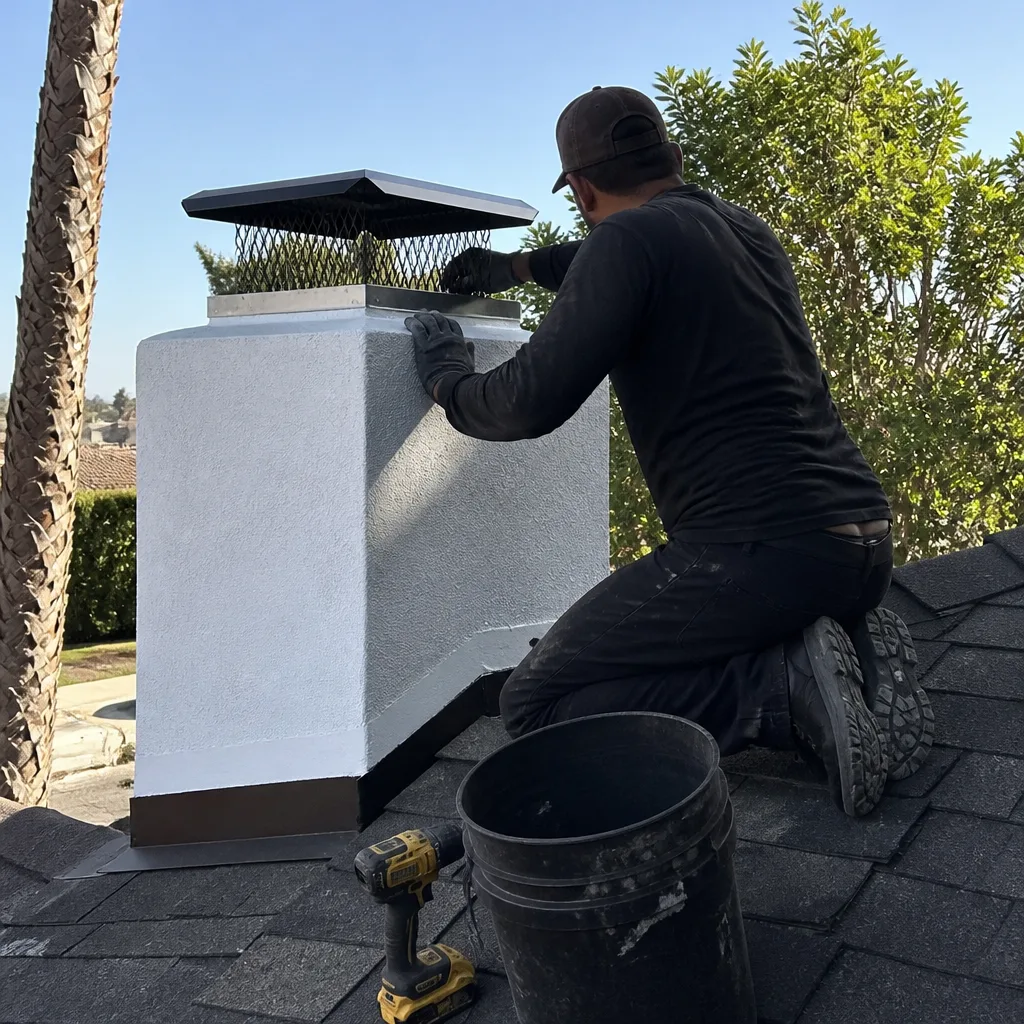
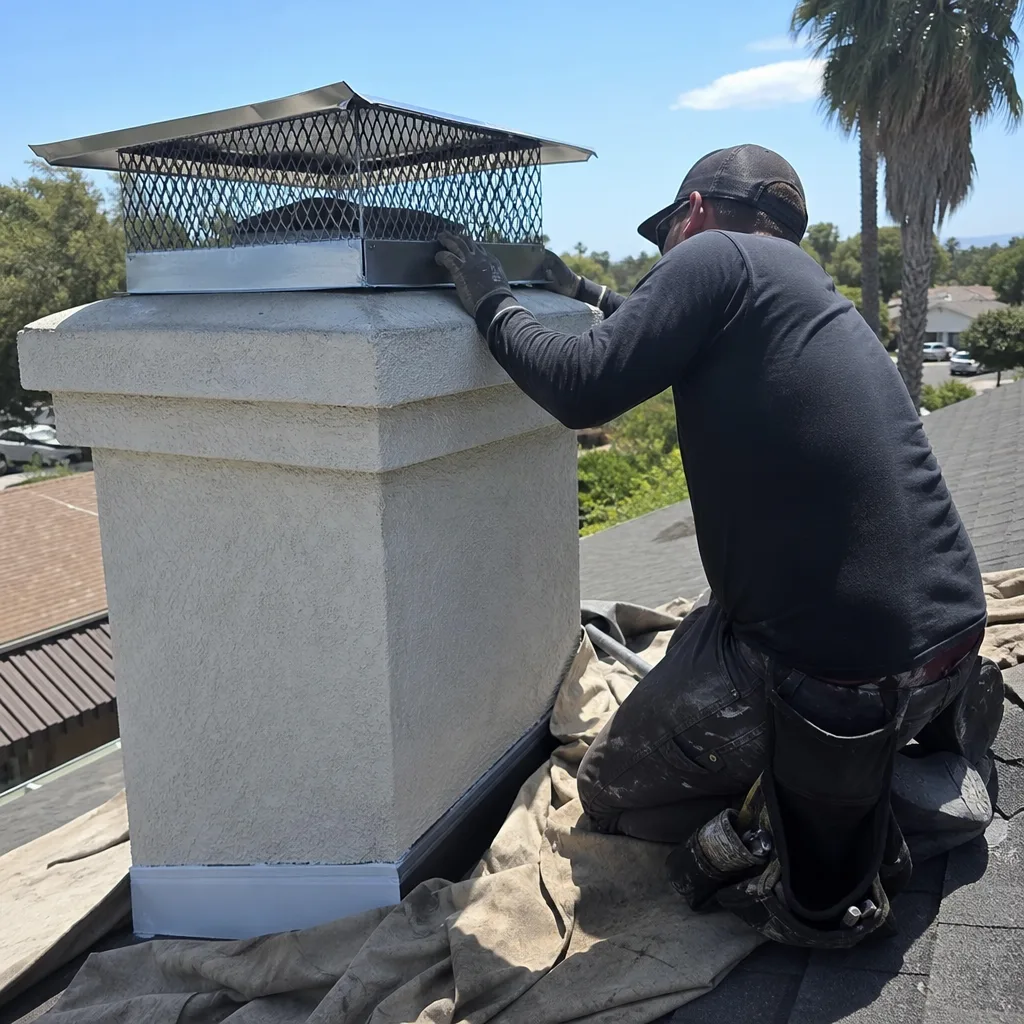
Chimney caps are the first line of defense, and they’re also the most common point of failure. A standard single-flue cap with mesh sides will stop most debris, but Santa Ana gusts can bend the mounting brackets and loosen the cap over time. We routinely see caps that were installed correctly but shifted during a wind event, leaving a gap that lets fine particulates through. The fix is not a bigger cap; it’s a properly secured stainless cap, and where needed, replacement hardware sourced from manufacturers like Olympia Chimney or Gelco, both of which produce caps and venting components built to tolerate sustained high-wind conditions. If you don’t know what kind of cap is on your chimney, the next windy day is a fine time to check.
There’s a second, less obvious Santa Ana effect: draft disruption. A strong downdraft from a wind event can push accumulated soot and creosote particles loose from the upper flue, causing them to fall onto the smoke shelf or into the firebox. That loose material is not a fire risk on its own, but it interferes with normal airflow when the fireplace is eventually lit. The chimney may smoke badly on its first use even though it was cleaned properly the previous season. This is one reason we recommend a pre-season inspection after the first significant Santa Ana event of the year, which in Garden Grove tends to occur in late September or October.
Why September, Not November, Is the Right Time for Pre-Season Cleaning
Most homeowners schedule chimney cleaning in late October or November, when the days turn cool and the first fire seems close. That’s a reactive schedule, and in Garden Grove it creates two problems. First, you’re competing for service slots at the worst possible time. Every chimney company in Orange County is booked solid from mid-October through January. Second, waiting until November means you’ve already missed the window when Santa Ana winds are most likely to deposit wind-driven debris into your flue. If you burn a fire in early November without inspecting for that debris, you’re introducing flame into a system that may have accumulated windborne material over the previous two months. Our Chimney Cleaning Emergency Preparedness Guide for Garden Grove Homes covers what to do when wind events strike before your scheduled service.
The better approach is to book your pre-season sweep and inspection for September. Here’s why September specifically matters in Garden Grove:
- Fire weather peaks in October. The strongest Santa Ana events in Southern California occur between September and November, with October typically producing the most severe wind episodes in inland Orange County.
- September is before the crush. You’ll have your pick of appointment days, and a tech can spend more time with your system if needed.
- Summer heat damage is fresh. By September, the chimney has endured the worst of the summer thermal stress. Any crown cracks or mortar deterioration from the hot season are visible and assessable.
- You’re ready for the first cool snap. Garden Grove occasionally sees nights in the 40s by late October. When that first fire-worthy evening arrives, the chimney is already clean and inspected.
We’ve worked on enough Garden Grove homes to know that the owners who schedule in September are rarely the ones dealing with smoke-filled living rooms in December. The ones who wait until after Thanksgiving are frequently chasing problems that a timely inspection would have caught. If you’re also dealing with dryer vent buildup, the same September visit can address both systems. Our Dryer Vent Cleaning in West Athens page explains how we handle dryer exhaust systems alongside chimney work, which is how we like to structure a whole-home fire safety visit.
How Summer Heat Accelerates Crown Cracking and Flashing Damage
The chimney crown is a poured concrete or masonry slab that caps the top of the chimney structure, sealing the gap between the outer masonry walls and the flue liner. Its job is simple: keep water out of the chimney chase. In Garden Grove, crowns fail in a predictable way. Summer sun heats the crown surface to 130 degrees or more by early afternoon. The crown expands. At night, the temperature drops and the crown contracts. Each cycle strains the material. After enough cycles, hairline cracks appear. Once a crack opens, moisture enters. During the winter rain months, water works its way into those cracks and sits there. The next summer, evaporation pulls the moisture back out, but the crack has widened slightly. Over five to ten years, what began as a hairline crack becomes a visible fissure, and water intrusion accelerates.
Flashing, the sheet metal that seals the joint where the chimney meets the roofline, follows a similar failure arc. Metal flashing expands and contracts with temperature changes, but it also takes direct damage from wind and minor roof settlement. In Garden Grove’s climate, we see flashing failures most often in the form of lifted corners and degraded sealant around the chimney base, especially on roofs with a flat or low-slope profile common in mid-century Garden Grove neighborhoods.
The important thing to understand is that there’s no “fix” that reverses crown cracking. Once the crown is compromised, the correct repair is resurfacing or replacement. For resurfacing, we use HeatShield, a ceramic coating system that seals damaged flue interiors and can restore some chimney crowns when the structural condition allows. For full crown replacement, which is sometimes necessary on older Garden Grove homes, we rebuild the crown with proper slope and a drip edge so water runs off instead of pooling. Both are repair-grade procedures, not routine maintenance, but catching the problem early can mean the difference between a $500 repair and a multi-thousand-dollar rebuild.
If you’re seeing any of the following signs, the crown or flashing likely needs attention:
- White or light-colored stains on the chimney exterior (efflorescence, a sign of water migration)
- Visible cracks in the crown surface, especially radiating from the flue opening
- Rust stains on the chimney chase or firebox wall
- Water pooling in the firebox after heavy rain
- Damp or musty odors near the chimney, especially in summer
The Post-Season Task That Prevents Off-Season Moisture Intrusion
Here’s the task most Garden Grove homeowners skip, and it’s the one that causes the most avoidable damage: a post-season inspection and cleaning in late February or early March, after the last fire but before the spring rains taper off. Garden Grove gets the bulk of its annual rainfall between December and March. Those are also the months when the fireplace is in use. By late February, the chimney has been heated and cooled dozens of times, exposed to wind, rain, and wood smoke, and then suddenly parked until the following November. Leaving a chimney in that state for eight months is how small issues become structural ones.
The post-season visit serves three purposes. First, we remove the season’s creosote buildup so it doesn’t sit all summer. Creosote is hygroscopic; it absorbs moisture from the air. In Garden Grove’s mild humidity, moderate creosote can become damp creosote over the long dry season, and damp creosote accelerates flue liner corrosion, especially in older clay-tile systems. Second, we inspect the flue and crown for any moisture that entered during the winter storms. Catching a small leak in March is far cheaper than discovering it in November, after the summer heat has expanded the damage. Third, we verify that the cap and flashing survived the winter wind season intact.
We also recommend a simple homeowner task for late February or early March that costs nothing and prevents real problems: close the damper completely and confirm it seals. A fully closed damper is your first line of defense against off-season air infiltration, which carries dust, moisture, and in some parts of Garden Grove, insect activity. If the damper doesn’t seat fully, or if you can feel drafts around the fireplace even when it’s closed, a damper repair or replacement may be in order. That’s a standard part of our Chimney Repair in West Athens service area, which serves Garden Grove and surrounding communities.
Your Two-Season Chimney Maintenance Calendar
Traditional chimney guides suggest quarterly maintenance: pre-season cleaning, mid-season check, post-season inspection, and summer monitoring. For Garden Grove, we compress that into two focused service visits and a short list of homeowner checks in between. Here’s how to adapt the calendar without missing anything critical:
Service Visit 1: September (Pre-Season)
- Full chimney sweep. Remove soot, creosote, and wind-driven debris that accumulated during the spring and summer months.
- Visual and camera inspection. Check flue liner condition, crown, flashing, cap, and damper.
- Cap and crown assessment. Confirm the cap is secure, the crown is intact, and no openings exist at the flue transition.
- Dryer vent cleaning (same visit). If your laundry room is near the fireplace or you haven’t had the dryer vent cleaned in over a year, combine the service. This avoids a second service call later in the season.
Service Visit 2: Late February or Early March (Post-Season)
- Post-season sweep. Remove the season’s creosote so it can’t sit in the flue all summer.
- Moisture intrusion check. Inspect the firebox, smoke chamber, and flue for signs of winter water entry.
- Flashing and crown follow-up. Confirm that winter storms didn’t compromise any existing repairs or create new problems.
- Damper operation check. Verify the damper closes fully and seals adequately for the long dormant season.
Homeowner Checks: March through August
- After any significant Santa Ana wind event, check the yard and roof line for visible debris near the chimney. If branches or palm fronds landed on the roof, inspect the cap for dents or shifts.
- After heavy rain, look for water staining on the ceiling near the chimney chase. Interior staining is often the first visible sign of a flashing or crown leak.
- Every 60 days, open and close the damper once to ensure it operates smoothly. A damper that seizes over summer can become an expensive repair in fall.
- If you smell smoke or mustiness during a Santa Ana event, note the date and conditions. That’s not normal, and it’s worth mentioning when you schedule your next service.
This two-visit framework covers everything a traditional four-season schedule does, without unnecessary service calls during months when the chimney is not in use. It also aligns with the reality of how Garden Grove residents actually use their fireplaces: a few fires per month between December and February, and nothing most of the rest of the year. For a deeper explanation of what happens during a professional sweep, see the Walnut Chimney home page for service details and approach.
What to Check Between Service Visits
You don’t need to be a chimney technician to catch most problems early. Between professional visits, a few simple observations each month will tell you whether the chimney needs attention. These checks take about five minutes and don’t require any tools.
From inside the house, look at the firebox walls and floor. Rust streaks, white staining, or crumbling brick are signs of moisture. Small amounts of soot are normal during the burning season, but any accumulation during the dormant season suggests air is moving through the flue when it shouldn’t be.
From outside, look at the chimney cap and crown from the yard or driveway. You can’t see the crown surface from ground level on most two-story homes, but you can see whether the cap is tilted, missing, or damaged. A properly installed cap sits level and secure. If it’s visibly crooked or shifted, high winds likely loosened the hardware.
After rain, check the ceiling near the chimney in the rooms below. Water intrusion from a flashing leak often shows up as a pale brown stain or bubbling paint, not as dripping water. Catch it early and the repair is usually straightforward.
During the burning season, watch the smoke. A properly drafting chimney pulls smoke up and out. If smoke enters the room when you light a fire, or if you notice that fires burn weakly and produce more smoke than usual, the flue or damper may be obstructed. Stop burning and schedule an inspection. This is particularly common in Garden Grove after Santa Ana events, which deposit fine debris in flues that can partially obstruct airflow.
These checks don’t replace an annual inspection, but they do catch problems in progress. We’d rather troubleshoot a minor issue in April than diagnose a structural one in December.
Common Mistakes to Avoid
- Using a chimney without a cap during Santa Ana season. In Garden Grove, an uncapped flue is an open invitation for wind-driven debris, bird nesting, and moisture. Even a single October wind event can deposit enough material to obstruct the flue. If the cap is missing or damaged, address it before the next wind season.
- Burning a “first fire” without a pre-season inspection. A chimney that sat dormant for eight months may have accumulated wind-driven soot, spider webs, or small animal nesting material. Lighting a fire under those conditions can produce excessive smoke or a small chimney fire.
- Assuming that “no fires” means “no maintenance.” The opposite is often true in Garden Grove. The months when the fireplace is not in use are when crown cracking, flashing deterioration, and moisture intrusion silently advance.
- Ignoring a smoky chimney during the first use of the season. A small amount of smoke on the first fire is sometimes a draft issue, but persistent smokiness during multiple burns indicates an obstruction or flue damage. Continuing to burn worsens the problem.
- Combining chimney cleaning with a quick “while you’re at it” dryer vent pass by a company that doesn’t specialize in both. Proper dryer vent cleaning requires specific tools and access points. Half-hearted attempts leave lint behind. We’d rather do both systems thoroughly once than do one quickly and one halfway.
- Using water-sealant sprays or DIY masonry sealers on a cracked crown. Surface sealants don’t repair structural cracks. They trap moisture inside the crown and make the underlying damage worse. Crown repair requires proper materials, and in many cases, a resurfacing system like HeatShield.
- Deferring a flashing repair because “it only leaks during heavy rain.” In Garden Grove, heavy rain is concentrated in a few winter storms. A flashing leak that appears only during those storms is still a leak, and by the time the next rainy period arrives, the opening has grown. Repair it at first notice.
When to Call a Professional
There are scenarios where a homeowner’s eyes and ears aren’t enough. If you see any of the following, stop using the fireplace and call for an inspection: visible water in the firebox, persistent smoke inside the house during burns, a strong chimney odor during Santa Ana events, loose or displaced chimney caps, efflorescence or rust on the chimney exterior, or any sign of animal activity in the flue. These are not situations that resolve on their own. If you’ve noticed any of them, Walnut Chimney offers free estimates in Garden Grove. Call (855) 341-3461 to schedule a visit.
Frequently Asked Questions
For most Garden Grove homeowners, an annual sweep is sufficient, provided it’s scheduled at the right time. We recommend September, before fire weather peaks, so the chimney is clean and ready for the first cool night. Homes that burn frequently, or that burn softer woods like pine, may benefit from a post-season sweep as well, but one professional cleaning per year is the baseline for safe operation. Call (855) 341-3461 if you’re unsure about your burn frequency and we’ll advise you honestly.
Yes, and it’s one of the most affordable forms of chimney insurance available. A proper cap keeps rain, wind-driven debris, birds, and embers out of the flue. In Garden Grove, where Santa Ana winds can push material into uncapped flues, the cap is even more important than in many wetter climates. If you don’t have one, or if the existing cap is damaged, replace it before the next wind season. We source caps and hardware from brands like Gelco and Olympia Chimney, which hold up well under sustained wind load.
The short answer: creosote accumulates, airflow decreases, and the risk of a chimney fire increases. The longer answer depends on how often you burn. In Garden Grove, most homeowners burn modestly, so heavy creosote takes longer to build. But the greater risk for the occasional burner is not creosote; it’s moisture and structural damage that goes unnoticed because the chimney is rarely used. A chimney that hasn’t been inspected in three or four years is an unknown system, and the more time between inspections, the more expensive the eventual discovery tends to be. Call (855) 341-3461 for an honest assessment.
We don’t publish fixed prices because every chimney is different. A standard sweep on a single-story home with an accessible flue is less involved than a sweep on a two-story home with an angled flue and a specialty cap. What we can tell you is that our estimates are free, and we never recommend work you don’t need. The camera inspection is part of our service, so you’ll see exactly what we see before any repair conversation happens. Call (855) 341-3461 to schedule a free estimate.
You can, but the results will be incomplete and potentially unsafe. Rooftop access in Garden Grove varies by home; many two-story stucco exteriors make ladder placement awkward, and a fall from the roof is not worth the money saved. More importantly, a brush alone does not remove creosote that has hardened or bonded to flue walls, and it does not include a camera inspection. Professional-grade cleaning involves not just the brush but also inspection of the smoke chamber, damper, crown, and flashing. For repair-grade work, we use materials like HeatShield when flue damage is found. A hardware store brush can’t address any of that.
Yes. That’s one of the reasons we exist as a company. Dryer vents and chimneys share a common risk profile: both collect flammable material in exhaust pathways, and both are often ignored until something smokes or smells. When we clean a chimney in Garden Grove, we can also clean the dryer vent on the same visit, using the appropriate tools for each. The NFPA identifies dryers as a leading cause of home fires, which makes dryer vent cleaning a core safety service, not an add-on. Dryer Vent Cleaning in West Athens describes the process if you want more detail.
The Bottom Line
Garden Grove’s chimney care needs are not complicated, but they are specific. The city’s climate creates a two-season cycle: a short burning window and a long dormant stretch. The key is to work with that cycle instead of against it. Book a professional chimney sweep and inspection in September, before the Santa Ana winds and the first cold snap. Book a follow-up inspection in late February or early March, after the last fire, to clear the season’s creosote and catch any moisture damage from winter storms. Between those visits, keep the cap secure, watch for signs of water intrusion, and don’t light a fire in a chimney that hasn’t been checked. That’s the entire system. It’s simple, it’s effective, and it’s how we’ve seen Garden Grove homeowners avoid the most expensive chimney problems that cross our path. And if you’re ready to get your chimney on a proper schedule, call Walnut Chimney at (855) 341-3461 for a free estimate.
Written by the team at Walnut Chimney, serving Garden Grove since 2017.
See the difference
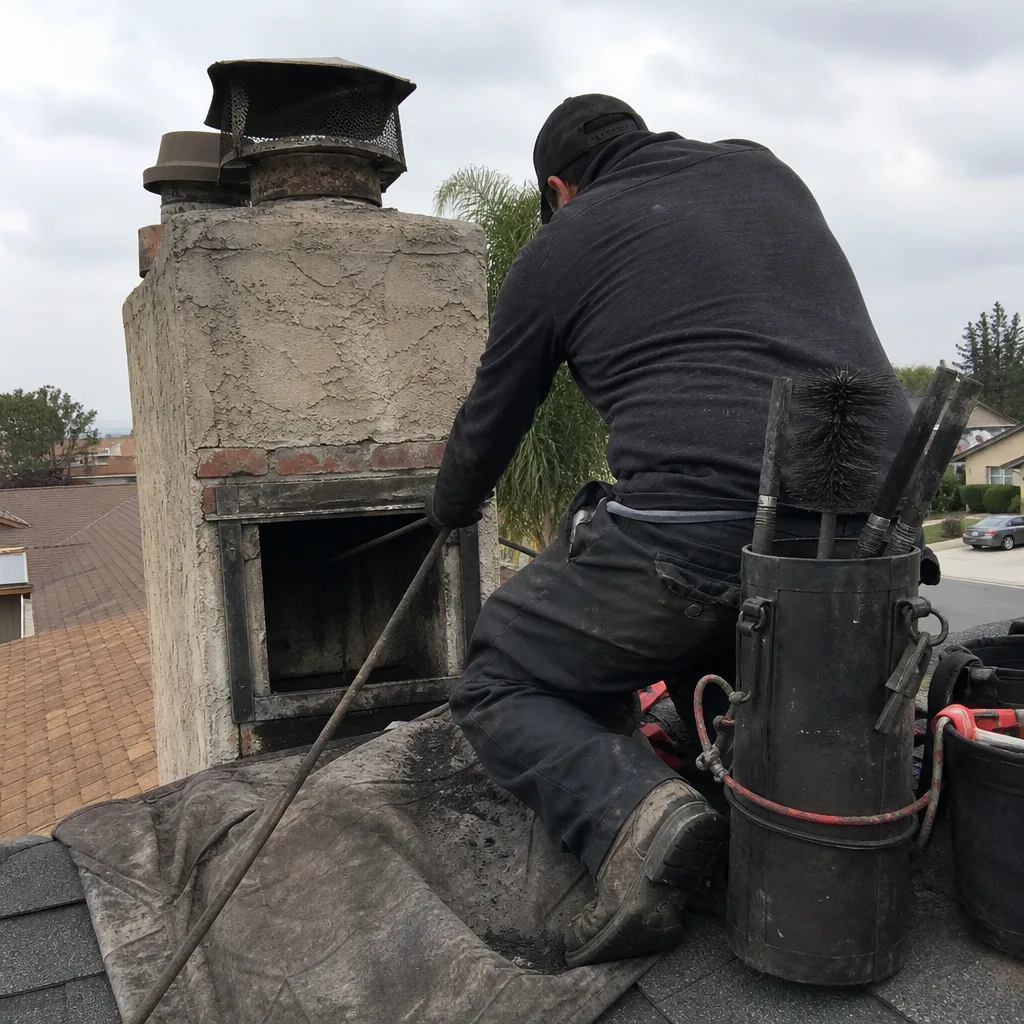 Before
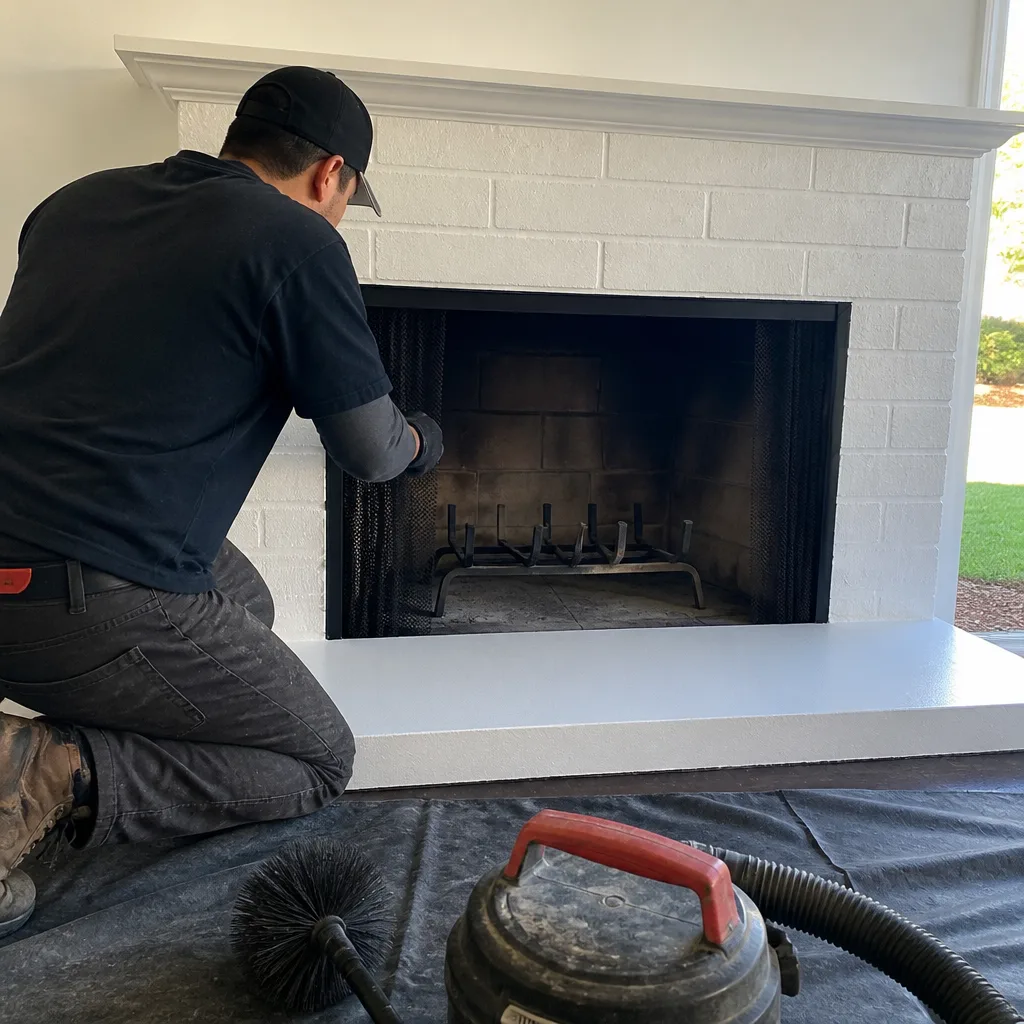 After
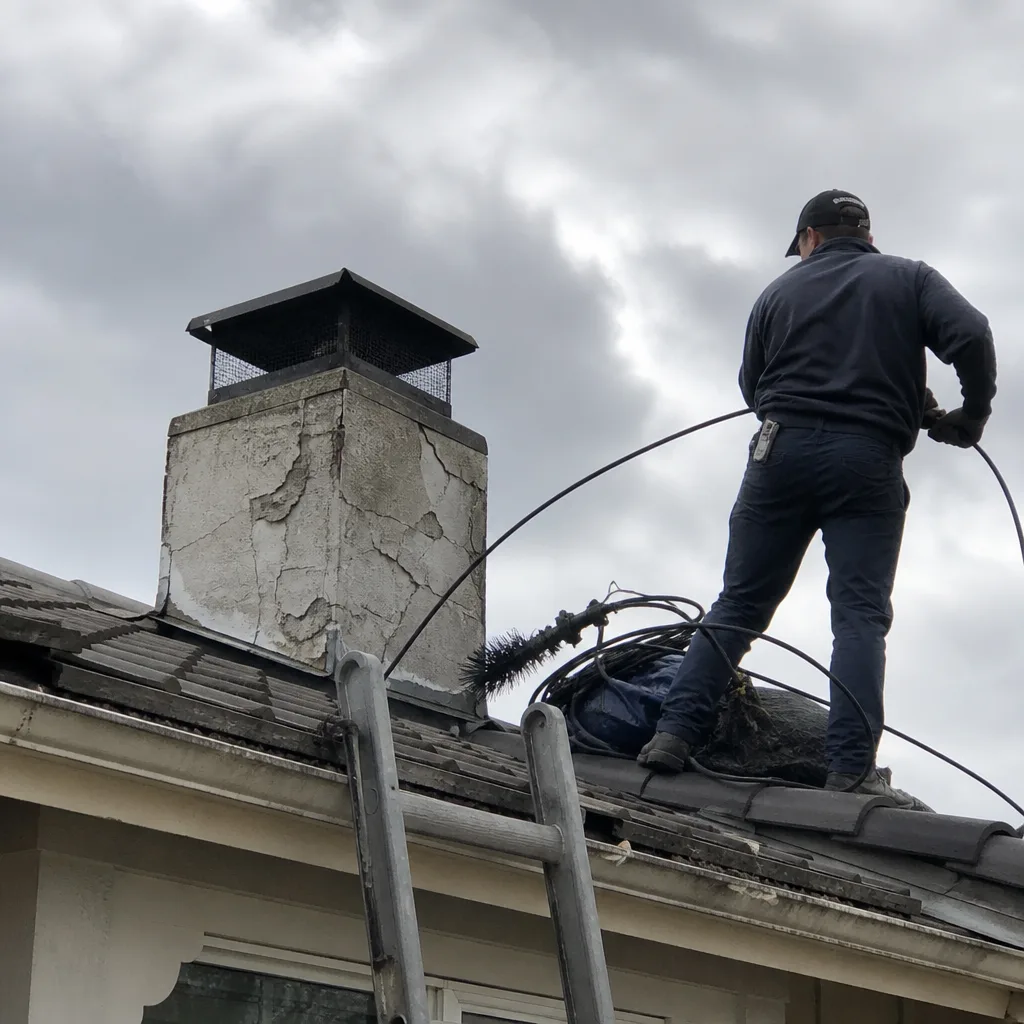 Before
 After
 Before
 After