Last updated October 31, 2026
 Sweep & inspection
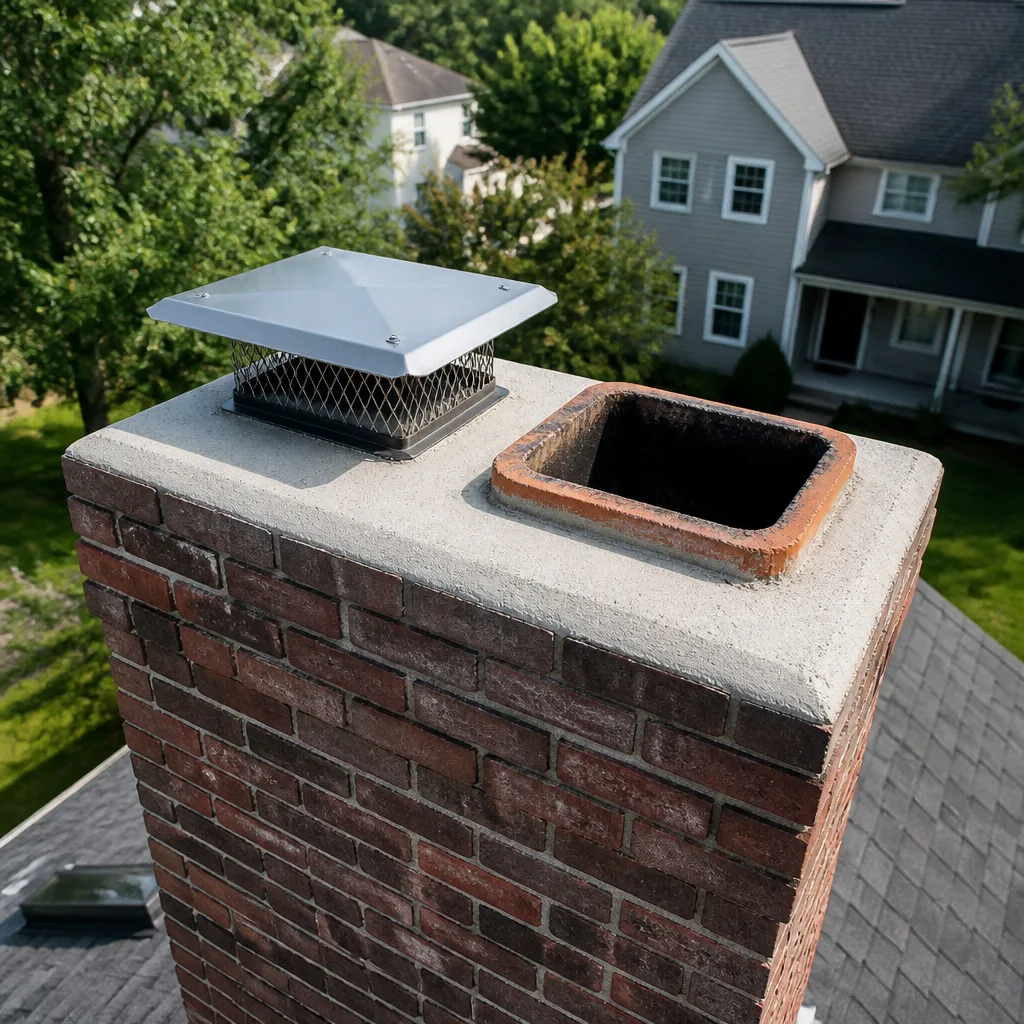
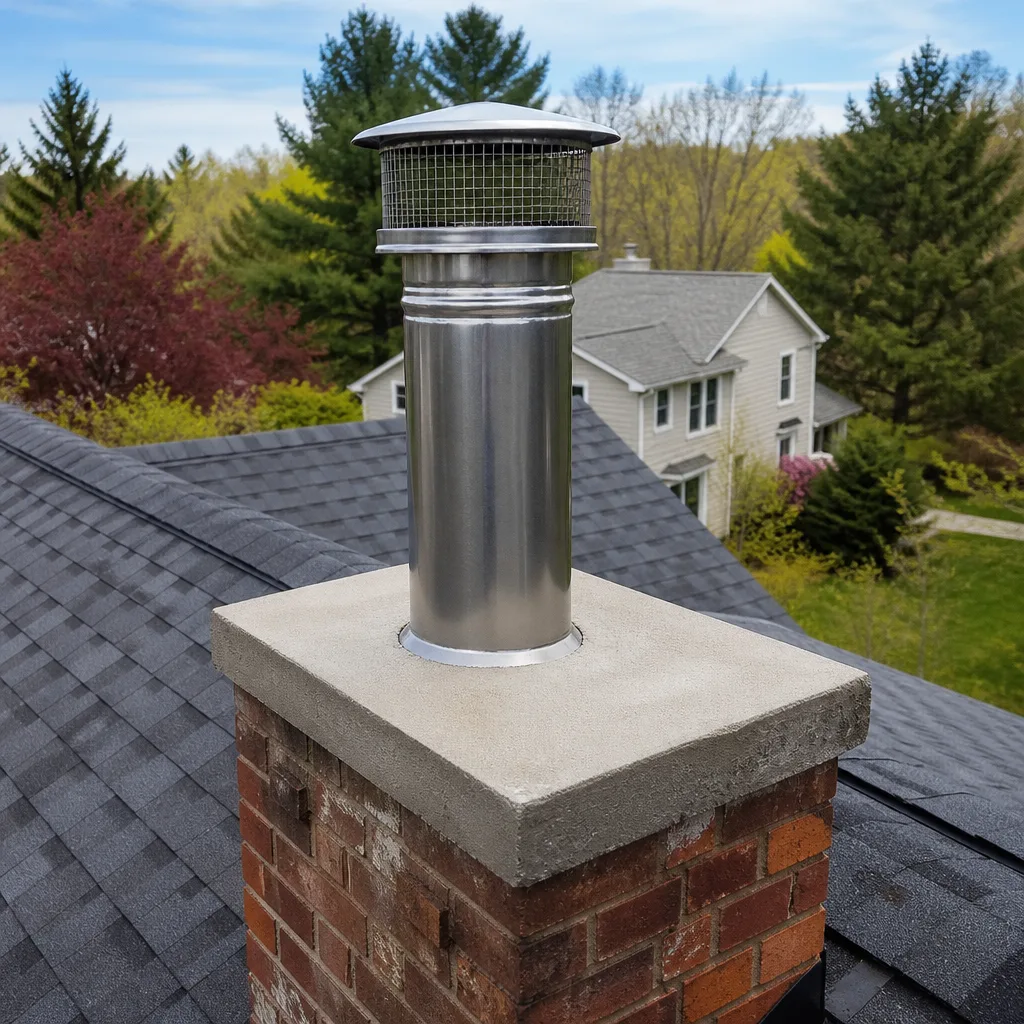
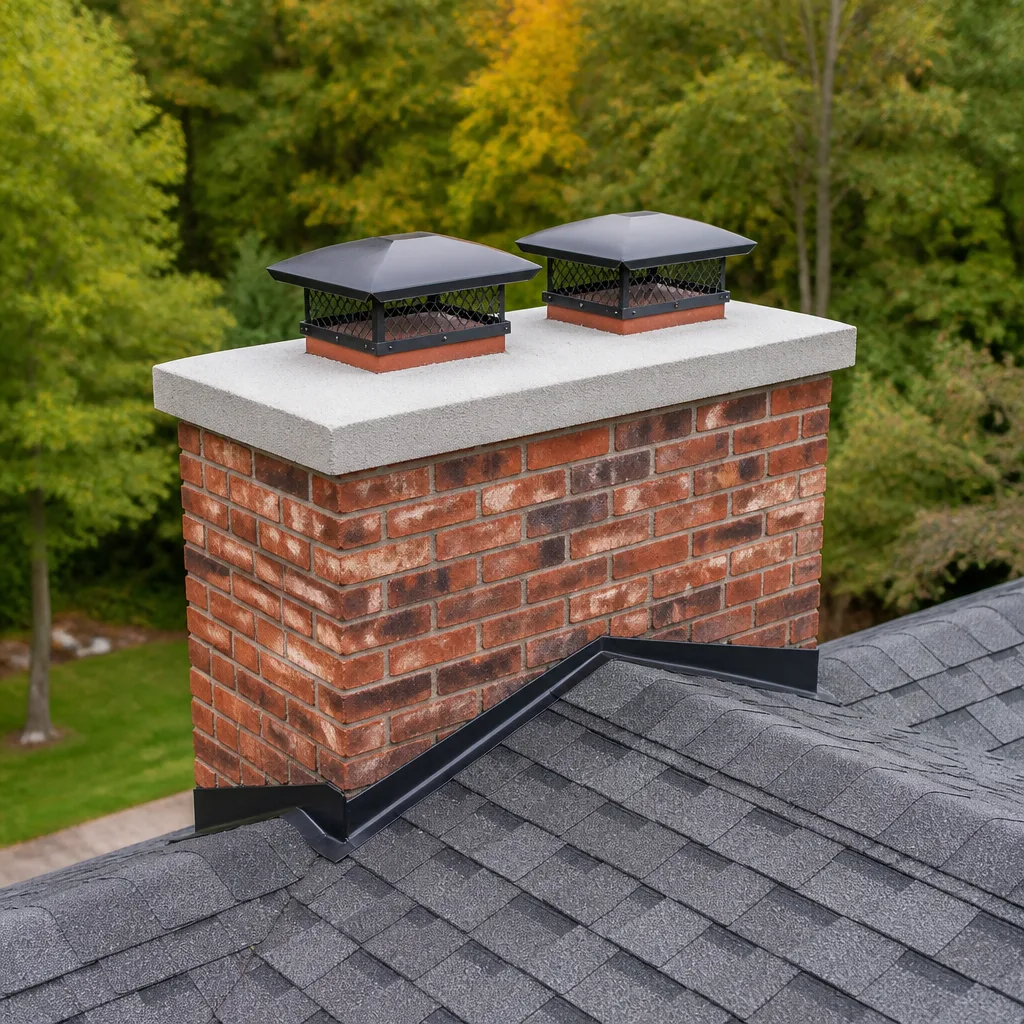 Caps & crowns
 Flue relining
 Masonry repair
 Gas fireplace service
Level 1 sweep and inspection to the NFPA 211 annual standard - flue, crown, cap, and flashing checked and photographed
Chimney sweep logs do not sweep chimneys. They loosen some creosote - which then falls where a brush and vacuum still have to collect it.
Chimney Cleaning Permits, Codes & Inspections in CA: What You Need to Know
Relining a chimney in California without a permit isn’t just a code violation. It can void your homeowner’s insurance payout if a fire ever originates in that flue. Most homeowners in Garden Grove assume a chimney is a chimney – a masonry tube that smoke goes up. But California treats chimneys as part of the building envelope, which means Title 24 energy code, South Coast AQMD air quality rules, and LA County building permits all layer on top of each other in ways that even some contractors get wrong. This guide unpacks exactly when you need a permit, when you don’t, what an inspection actually tells you, and where Garden Grove homeowners get tripped up, with more guides & resources available on our blog. We’ll cover maintenance versus modification, the documents that matter at point of sale, and the questions to ask before anyone touches your flue.
Quick Answer
Chimney sweeping and routine cleaning in California do not require a building permit – they’re classified as maintenance. But relining a flue, rebuilding a firebox, or altering chimney structure generally does require a permit through your local building department, and in Garden Grove that means the City of Garden Grove Building Division or LA County for unincorporated areas nearby. Wood-burning fireplace use is further regulated by South Coast AQMD Rule 445, which doesn’t govern cleaning directly but shapes when and how often chimneys should be inspected and swept. A CSIA inspection report is not a code-compliance document; only a municipal inspector can sign off on code compliance.
Styles & brands we work with
Table of Contents
- Maintenance vs. Modification: Where California Draws the Permit Line
- South Coast AQMD Rule 445 and What It Means for Cleaning Frequency
- What an Inspection Report Actually Tells You (and What It Doesn’t)
- LA County Permit Nuances: Liners, Caps, and Full Rebuilds
- How to Pull Permit History Before Buying a Home in Garden Grove
- The Insurance Question: What Happens When an Unpermitted Liner Fails
- 7 Steps to Stay Code-Compliant Without Overpaying
- Common Mistakes to Avoid
Maintenance vs. Modification: Where California Draws the Permit Line
California Building Code (CBC) sections 105.2 and 105.3 exempt certain types of work from permit requirements, and that’s where the confusion starts. A chimney sweep – the act of removing creosote and soot from a flue – is universally treated as maintenance. No permit, no inspection, no plan check. You can have a chimney swept every year for thirty years and never once interact with a building department. The same goes for a visual inspection, a Level 1 or Level 2 camera scan, and minor component replacement like a damper plate or a rain cap when the replacement does not alter the flue’s dimensions or structural connection.
But the moment work changes the structure or function of the chimney, the classification shifts. Relining a flue with a stainless steel system like DuraFlex is a modification. Rebuilding a firebox is a modification. Changing the flue diameter to accommodate a new appliance is a modification. Any of these requires a permit in Garden Grove, and likely a plan review plus an inspection after the work is done. The rule of thumb we use with homeowners: if the work changes what the chimney is, not just how clean it is, assume you need a permit. When in doubt, call the City of Garden Grove Building Division and ask. They answer phones, and they’d rather answer a question than issue a correction later.
- No permit needed: chimney sweeping, creosote removal, damper lubrication, cap replacement (same size and attachment), Level 1 or Level 2 inspection, minor mortar touch-ups that don’t affect structural load paths.
- Permit likely needed: flue relining (rigid or flexible), firebox rebuild, smoke chamber parging beyond surface repair, flue resizing, masonry chimney rebuild above the roofline, structural repair to the chimney chase or crown.
- Gray zone: HeatShield resurfacing. If the original terra cotta liner is still structurally intact and the product is applied as a surface treatment, some jurisdictions treat it as maintenance. If the liner is partially removed or the application changes flue dimensions, it may require a permit. Ask your contractor to confirm in writing how they classify the work before it starts.
- Always check first: unincorporated LA County areas within a few miles of Garden Grove follow county building codes, not city codes, and the staff who answer permit questions are county employees with different workloads and response times.
What surprises most people is that not getting a permit when one is required doesn’t just create a fine risk. It creates a paperwork hole that follows the house. More on that in the insurance section below.
South Coast AQMD Rule 445 and What It Means for Cleaning Frequency
Garden Grove sits inside the South Coast Air Quality Management District, which regulates wood-burning fireplaces under Rule 445. The rule doesn’t say anything about chimney sweeping at all – it governs burning, not cleaning. But it has a direct practical effect on how often your chimney needs attention and what a clean flue is worth. Under Rule 445, mandatory no-burn days are announced throughout the fall and winter when particulate matter is forecast to exceed federal thresholds. On those days, burning wood in a fireplace is prohibited unless the home has no other source of heat. Violations start with a warning and progress to fines.
Here’s the connection most guides on chimney cleaning warning signs miss: a chimney that hasn’t been swept produces noticeably darker, dirtier smoke because creosote and soot partially combust and add particulate load to the plume. That makes a dirty chimney more visible to neighbors, more likely to draw a complaint, and more likely to be burning less efficiently than a clean one. More practically, no-burn days concentrate burning into fewer days, which means when people do burn, they burn longer and hotter. Hotter fires in a flue with built-up creosote are exactly the conditions that lead to chimney fires. Rule 445 doesn’t require a sweep, but it creates a usage pattern where an annual sweep is the minimum sensible baseline.
- Rule 445 basics: applies to all residential wood-burning devices in the South Coast Air Basin, which includes Garden Grove and most of Orange and LA Counties.
- No-burn days: announced 24 hours in advance, typically November through February. Check the South Coast AQMD website or app before lighting a fire.
- Gas fireplaces are exempt: natural gas log sets and gas inserts are specifically excluded from no-burn restrictions.
- What it costs you to ignore it: first offense is typically a warning; repeat violations carry fines that escalate. More importantly, burning on a no-burn day creates a paper trail that can complicate a future insurance claim if anything goes wrong.
- Our take in Garden Grove: burn less, but burn cleaner. A swept flue with a properly functioning damper produces less visible smoke, less creosote, and fewer neighbor complaints on burn days.
For a full cleaning that leaves your flue ready for burn season, see our Chimney Sweep in West Athens page or explore what’s involved in a standard visit from Walnut Chimney home.
What an Inspection Report Actually Tells You (and What It Doesn’t)
There are two types of chimney inspections homeowners routinely confuse, and the difference matters a lot at point of sale, after a chimney fire, or when filing an insurance claim. A CSIA inspection (Chimney Safety Institute of America) follows a defined three-level protocol. A code-compliance inspection is performed by a city or county building inspector and measures the chimney against the California Building Code and local amendments. They are not the same document, they do not answer the same questions, and neither substitutes for the other.
- Level 1 CSIA inspection: visual check of accessible portions of the chimney, firebox, damper, and cap. No tools beyond a flashlight and a mirror. Recommended annually when the system hasn’t changed.
- Level 2 CSIA inspection: includes a camera scan of the entire flue interior. Required when the home is being sold, when the chimney has been damaged (earthquake, fire, impact), or when the appliance or liner has changed. This is what a home inspector doesn’t typically do; home inspectors look and note, they don’t camera-scan.
- Level 3 CSIA inspection: invasive. Portions of the chimney or surrounding structure are opened up to access concealed areas. Used when a Level 1 or 2 reveals a serious concern that can’t be diagnosed from the flue side.
- Code-compliance inspection: performed by the building department, typically after permitted work is completed. The inspector verifies that the liner, firebox, clearances, and terminations meet code. This produces the sign-off that closes out a permit.
In Garden Grove, when a house changes hands and the buyer’s home inspector flags the chimney, the most common next step is a Level 2 CSIA inspection with a camera. If that inspection finds a cracked liner that needs replacement, the work to replace it triggers a permit, which triggers a code-compliance inspection. The CSIA report tells you what’s wrong. The municipal inspection tells the county it’s fixed right. Both belong in your file.
LA County Permit Nuances: Liners, Caps, and Full Rebuilds
Garden Grove homeowners deal with city-level permitting, but because the city is surrounded by unincorporated county pockets and LA County is the building-permit authority for a large share of the region, it’s worth knowing how county rules compare. In practice, LA County treats chimney work exactly the way the state does, with one notable distinction: the county’s plan check review for flue relining is often more rigorous than what a smaller city asks for. They want to see the UL listing on the liner system, the clearance-to-combustibles on the installation diagram, and the manufacturer’s installation instructions included in the permit package. If you’re installing a DuraFlex liner, the county inspector will expect to see the manufacturer’s spec sheet, not just a line item on the contractor’s bid.
For cap replacement in Los Angeles or any city within miles of Garden Grove, a straightforward swap where the new cap is the same size and attaches the same way does not require a permit. But if the cap includes a damper assembly, a spark arrestor integrated into the flue termination, or a changed mounting method, talk to the local building department. Cap work on a chimney that is in an older home and hasn’t been touched in 40 years often uncovers other issues – a cracked crown, a rusted flue tile at the top – that do need permitted repair. We source caps and venting components from manufacturers including Gelco and Famco, and if the cap needs replacement because of structural damage rather than normal wear, that’s a discussion to have with the building department before we get on the ladder.
Full rebuilds are the clearest case. If a chimney needs to be taken down below the roofline and reconstructed – whether from earthquake damage, spalling brick, or a firebox that has collapsed – that is a permitted, engineered, inspected project. Count on architectural drawings, a plan check, and at least one mid-construction inspection before the final sign-off. A rebuild changes the structure of the house, and the building department treats it accordingly. Our Chimney Repair in West Athens page covers the common repair scenarios and when a repair crosses into rebuild territory.
How to Pull Permit History Before Buying a Home in Garden Grove
If you’re under contract on a house in Garden Grove and the chimney has been relined or rebuilt, do not rely on the seller’s word that it was permitted. Pull the records. In Garden Grove, permit history is available through the City of Garden Grove Building Division. For unincorporated areas near the city, it’s LA County Public Works. Here’s the step-by-step that takes an afternoon, not a week.
- Identify the building authority. For an address inside Garden Grove city limits, that’s the City of Garden Grove Building Division, located in the city hall complex. For unincorporated pockets, it’s LA County Public Works Building and Safety.
- Request a permit history report. Both agencies allow a records request for a specific address. City records are typically easier to pull in person; county records often have an online portal with slower turnaround.
- Look for chimney-specific entries. Ask for any permits related to fireplaces, chimneys, flues, fireboxes, liners, or vents. A general building permit that included the chimney work is fine; a permit that doesn’t mention the chimney at all when the work clearly occurred is a red flag.
- Verify the final inspection sign-off. A pulled permit is not enough. The permit must show a final inspection completed and passed. A permit that was pulled but never closed out creates the same liability as no permit at all in most insurance disputes.
- Request the inspection notes. For chimney work, the inspection notes usually say what the inspector saw: liner manufacturer, clearance verification, termination height. These notes are gold at settlement and when insuring the home.
- If there is no permit and the work required one, negotiate. The seller should either obtain the permit retroactively, reduce the price to cover the cost of bringing the work into compliance, or both. Retroactive permitting is possible but requires opening walls or chases in some cases, so the cost is real.
We get calls from home inspectors and real estate agents in Garden Grove who want a second set of eyes on a chimney after an offer is accepted. If the permit history shows a reline in 2012 and the inspection now shows corrosion at the base, that’s a useful data point about the quality of the original work and the environment it’s lived in.
The Insurance Question: What Happens When an Unpermitted Liner Fails
Here’s the scenario we hear from homeowners after the worst has already happened. A chimney fire starts in a flue that was relined eight years ago. The fire department report notes the origin. The insurance adjuster asks for the permit and final inspection on the reline. The homeowner doesn’t have one because the contractor who did the job never pulled a permit. The claim gets denied – not always, but often enough that it’s the defining risk of unpermitted chimney work. The insurance logic is simple: the homeowner failed to maintain a code-compliant structure, and that failure was a contributing cause of the loss.
What many people don’t realize is that the question can come up even without a fire. If a home inspection at sale reveals an unpermitted reline, some insurance carriers will not write a new homeowner’s policy on the house until the work is retroactively permitted and inspected. That means a deal can die at the insurance stage, not the inspection stage. The seller then either pays for compliance or loses the buyer. In Garden Grove’s market, where older homes with original chimneys are common, this comes up more than you’d think. The fix is not complicated: require a permit on any reline, rebuild, or structural repair, keep the paperwork, and hand it to the next owner.
The bottom line: if a contractor tells you a liner replacement doesn’t need a permit in Garden Grove, get that in writing and verify it yourself with the city. “My contractor said so” does not hold up with an adjuster.
7 Steps to Stay Code-Compliant Without Overpaying
- Get a Level 2 inspection before buying, before listing, or after any event that could damage the flue. Earthquake, chimney fire, or a roof replacement with heavy equipment all warrant a camera scan. A Level 2 tells you what the flue actually looks like, not what you hope it looks like.
- Sweep annually if you burn wood, every two years if you burn only gas. Even gas fireplaces produce condensation and debris that should be cleared. Wood-burning flues in Garden Grove see creosote buildup faster than coastal homes because of the temperature swings in the winter months.
- Check no-burn day status before lighting a fire. South Coast AQMD publishes daily forecasts. Burning on a no-burn day starts a paper trail you don’t want.
- Keep every receipt and inspection report. A drawer file with 15 years of sweep receipts, inspection reports, and one permit sign-off is your best insurance against a dispute. Buyers and adjusters both respond to paper.
- When a contractor quotes a reline, ask for the permit number before work starts. If they can’t produce a permit number or a city-issued plan check approval, stop. The work either doesn’t need a permit and they should explain why in writing, or it does and they’re hoping to skip it.
- Camera evidence before any repair recommendation. Nothing gets recommended on our trucks without a camera image you can see for yourself. If a company tells you the flue is shot but won’t show you the footage, get a second opinion.
- Treat the dryer vent as part of the same system. Many Garden Grove homes have dryer vents that haven’t been cleaned in years, and lint fires are a more common structure fire than chimney fires. The NFPA cites dryers as a leading cause of home fires, and we include Dryer Vent Cleaning in West Athens as a core service on the same visit as a chimney sweep.
Common Mistakes to Avoid
- Assuming “home inspector checked it” means the flue is clean. A home inspection is a visual note, not a camera scan. A clean-looking firebox can hide a cracked flue liner that only a camera reveals.
- Accepting a reline quote without a permit number. In Garden Grove and most of Southern California, flue relining is permit work. If the bid doesn’t include the permit, the bid is incomplete, full stop.
- Burning on no-burn days because “everyone else does.” South Coast AQMD enforcement is complaint-driven, and neighbors complain. The fine is yours, not the neighborhood’s.
- Thinking a CSIA report and a code inspection are interchangeable. One tells you the condition of the flue. The other tells the jurisdiction the work meets code. You need both at different points.
- Replacing a chimney cap with whatever fits from the hardware store. The wrong cap size or mounting can change draft, trap moisture, and accelerate liner corrosion. Caps are not one-size-fits-all; we source from manufacturers including Olympia Chimney and Gelco for proper fit and material.
- Putting off the sweep because the fireplace “didn’t get used much.” Creosote hardens over time and becomes more difficult to remove, not less. A flue that sat for three years can be harder to sweep than one burned every winter.
- Believing a “maintenance-free” chimney exists. It doesn’t. Every flue – masonry or prefab, wood or gas – needs inspection and cleaning at some frequency. The only variable is the interval, and the answer is usually shorter than homeowners want it to be.
See the difference
 Before
 After
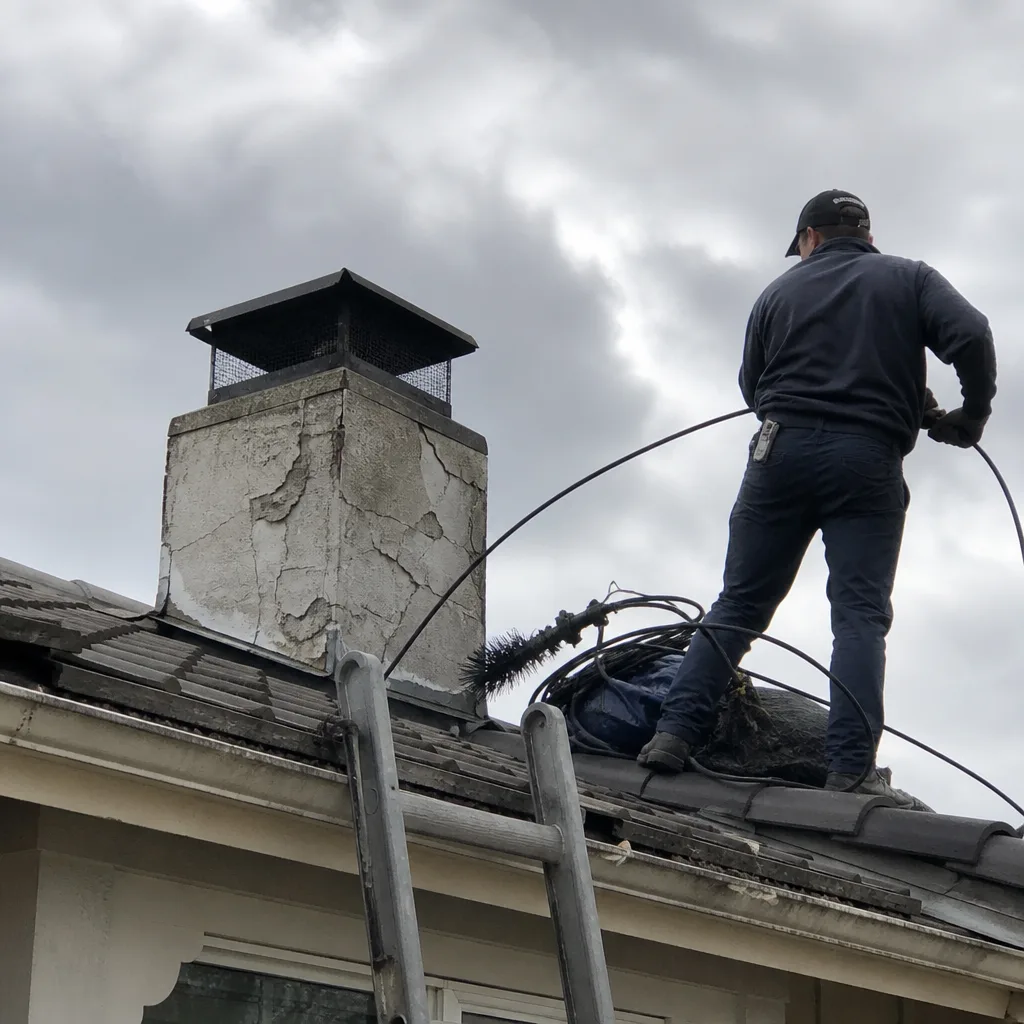 Before
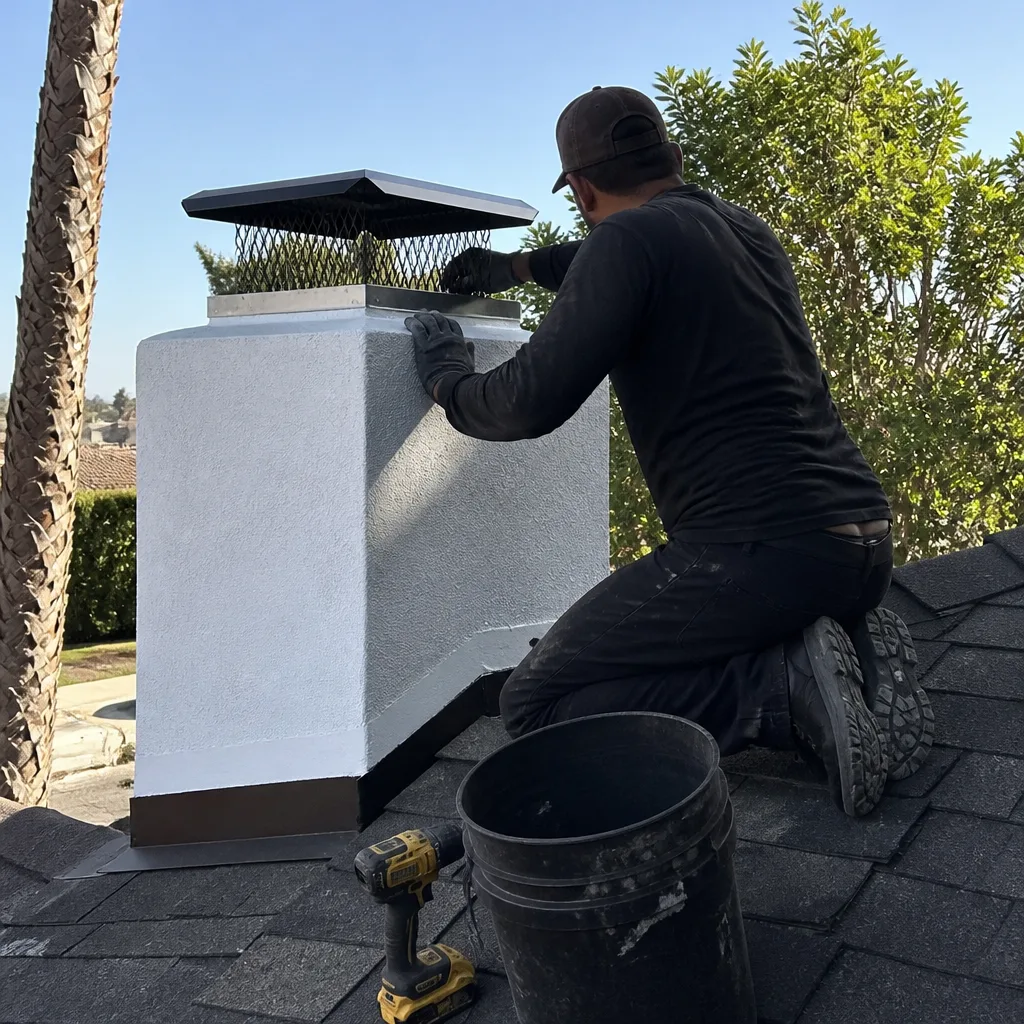 After
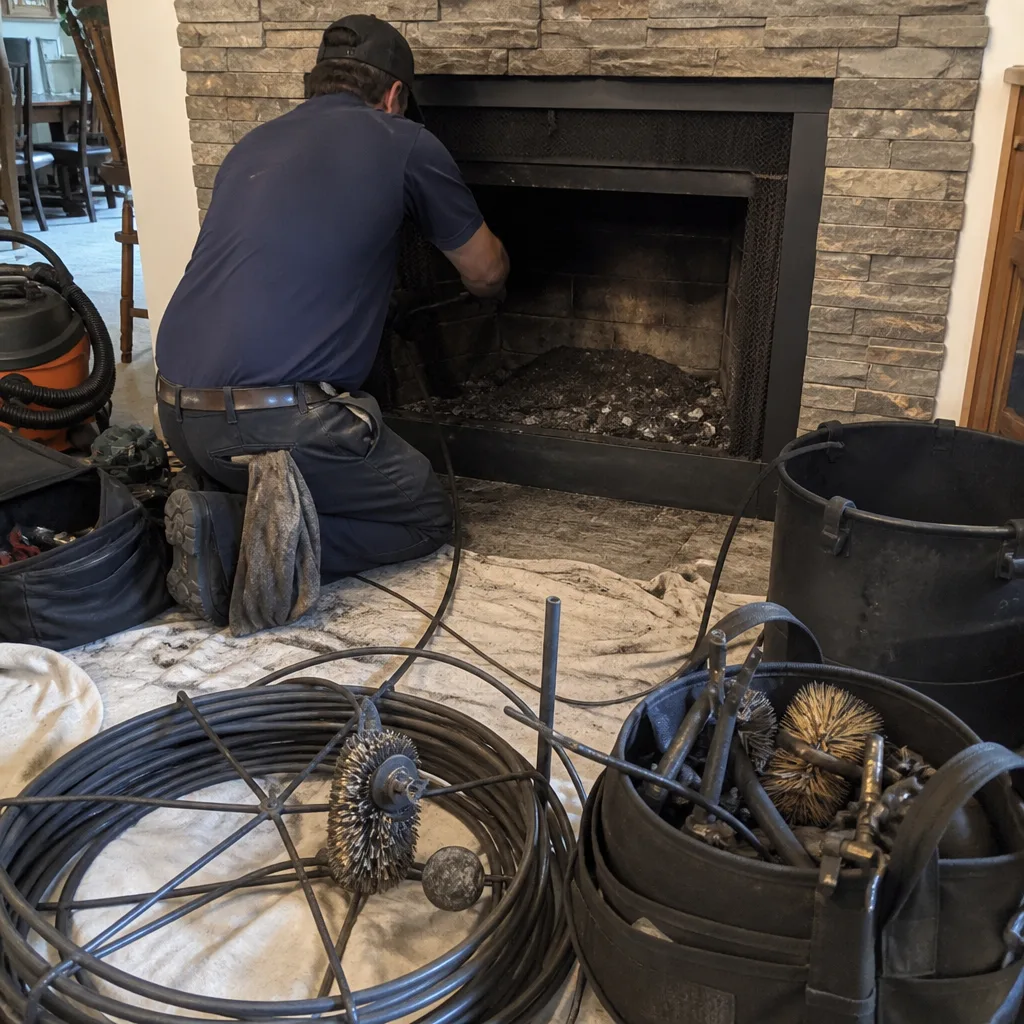 Before
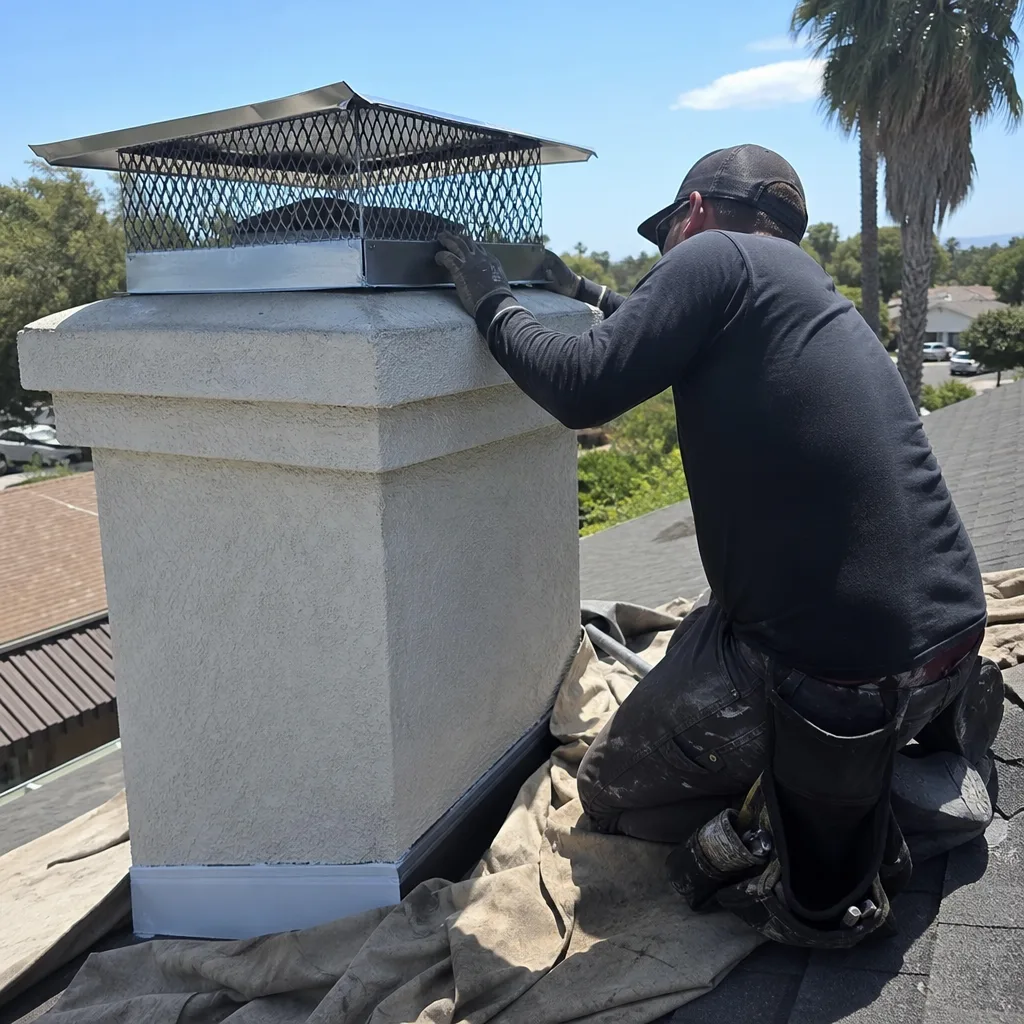 After
When to Call a Professional
Call a chimney professional when the permit status of your chimney is unclear and you’re about to buy or sell a home. Call when a home inspector flags the chimney and you need a Level 2 camera inspection to know what you’re actually dealing with. Call when South Coast AQMD no-burn days have compressed your burning season and you haven’t had a sweep in over a year. Call when your chimney has been through an earthquake or a chimney fire and no one has looked inside it since. And call when the lint in your dryer vent hasn’t been cleared since the previous owner lived there. Walnut Chimney offers free estimates in Garden Grove – call (855) 341-3461.
Frequently Asked Questions
No. Chimney sweeping and routine flue cleaning are classified as maintenance and do not require a building permit anywhere in California, including Garden Grove. The work involves removing soot and creosote from an existing flue and does not alter the structure or function of the chimney.
Flue relining, firebox rebuilds, masonry reconstruction above the roofline, and any change to flue dimensions require a permit through the City of Garden Grove Building Division. Cap replacement with the same size and mounting method typically does not. If you’re unsure, we help homeowners verify permit status before any repair work begins. Call (855) 341-3461 for a straight answer.
Rule 445 restricts wood burning on designated no-burn days throughout the South Coast Air Basin, which includes Garden Grove. It does not require chimney sweeping, but it does compress burning into fewer days and makes a clean, efficient flue more important. Gas fireplaces are exempt from the no-burn restrictions.
If you burn wood regularly, sweep annually. If you have a gas fireplace, every two years is usually sufficient for debris and condensation clearing, though an annual visual check is smart. Homes in Garden Grove with uninsulated chimneys tend to see faster creosote accumulation because of temperature cycling, so err on the side of more frequent cleaning if you burn often.
It depends entirely on what the camera shows. Hairline cracks can sometimes be addressed with resurfacing products like HeatShield when the original terra cotta liner is still structurally intact. Spalling, significant offsets, or a liner that has separated at the joints usually requires replacement with a listed system like DuraFlex. Nothing gets recommended without camera evidence you can see yourself. Call (855) 341-3461 for an inspection and a straight answer.
The work may function fine, but the liability transfers to you. If a fire starts in that flue, your insurer can deny the claim on the basis of unpermitted and non-code-compliant work. The permit issue can also kill a sale when a buyer’s inspector finds it. Retroactive permitting is sometimes possible but often more expensive than pulling the permit in the first place.
The Bottom Line
California doesn’t make chimney cleaning complicated – a sweep is a sweep, no permit needed, ever. What makes the state tricky is the gap between maintenance and modification. Know which side of the line your project falls on. Relining, rebuilding, and resizing are permit work. Cleaning, inspecting, and same-size cap swaps are not. South Coast AQMD Rule 445 adds a burning restriction layer that affects how you use your fireplace and how often a sweep makes sense. Keep every receipt, every inspection report, every permit sign-off. In Garden Grove, the difference between a defended chimney and an expensive one is usually a piece of paper in a drawer. If you’re not sure which category your chimney falls into, Walnut Chimney home is the place to start, and a phone call to (855) 341-3461 costs nothing.
Written by the team at Walnut Chimney, serving Garden Grove since 2017.