
Last updated October 31, 2026
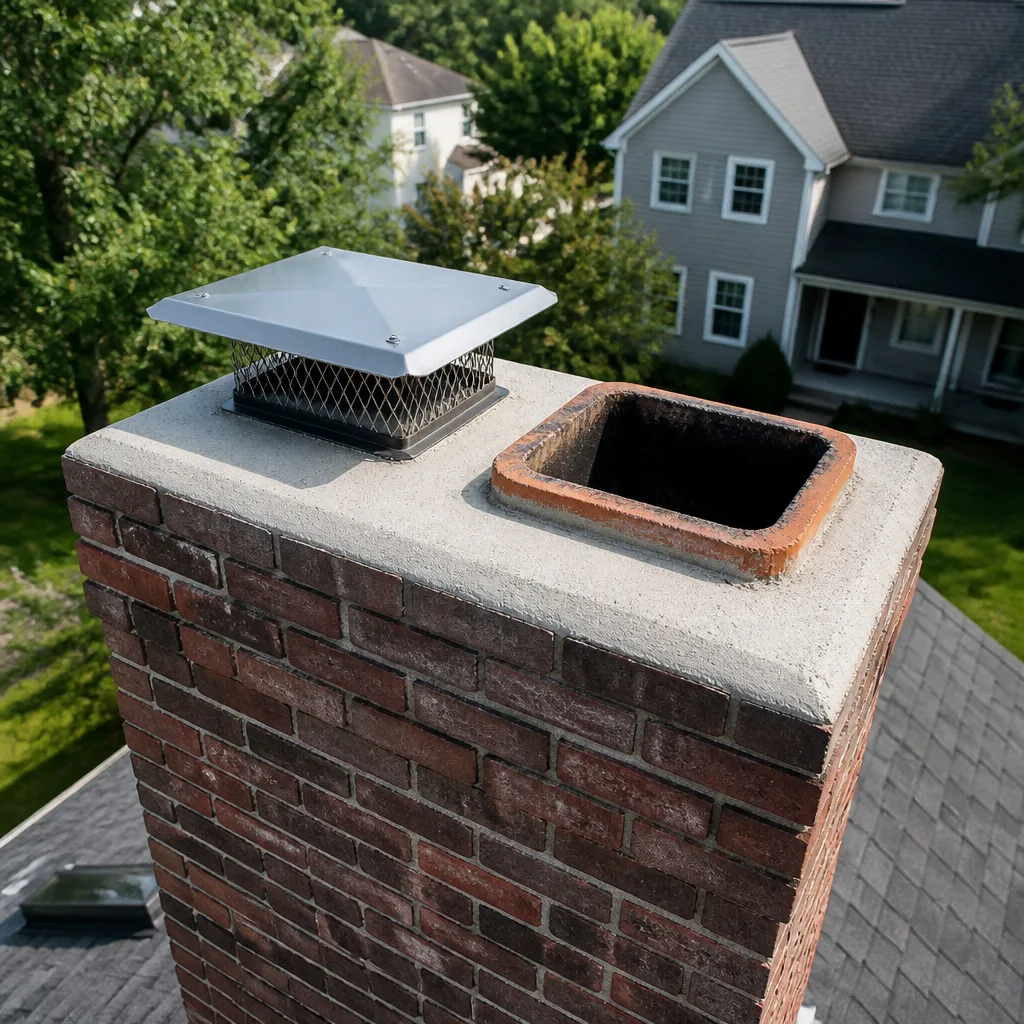 Sweep & inspection
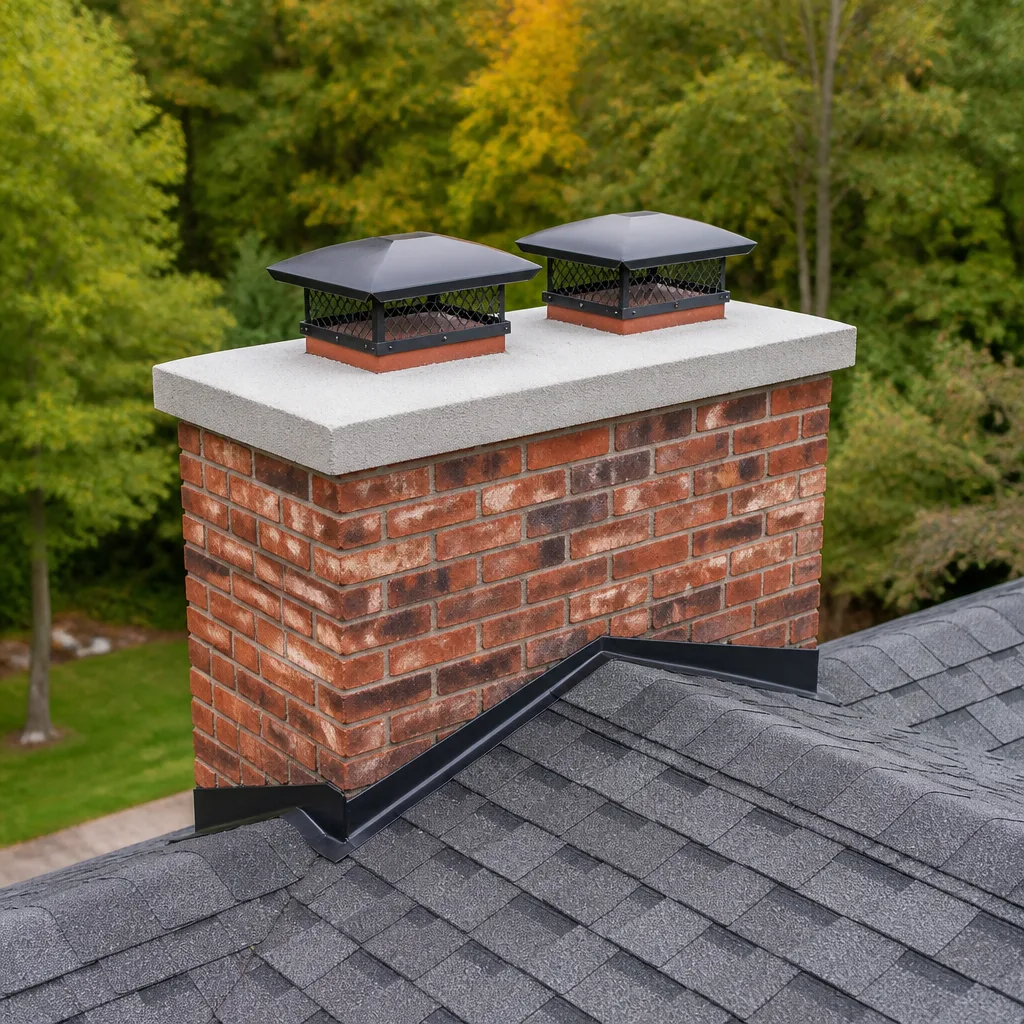 Caps & crowns
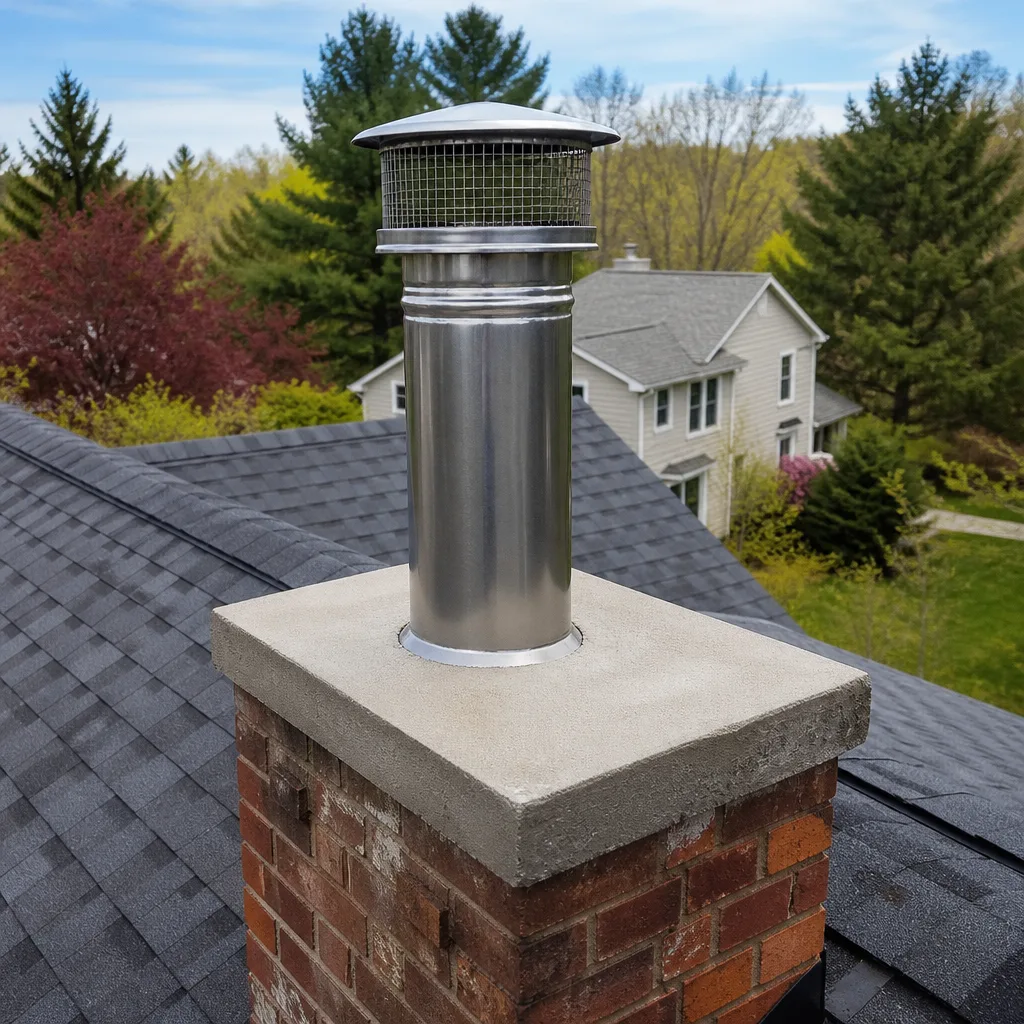 Flue relining
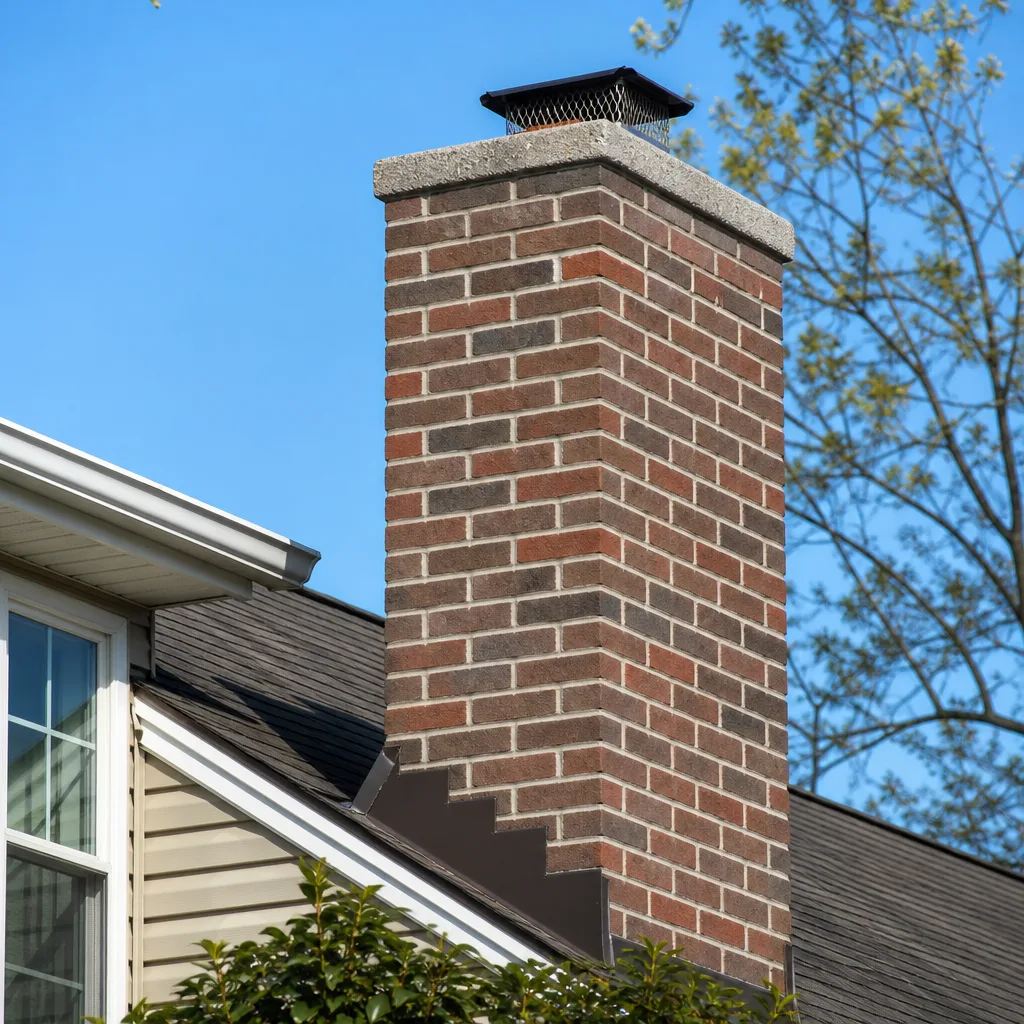 Masonry repair
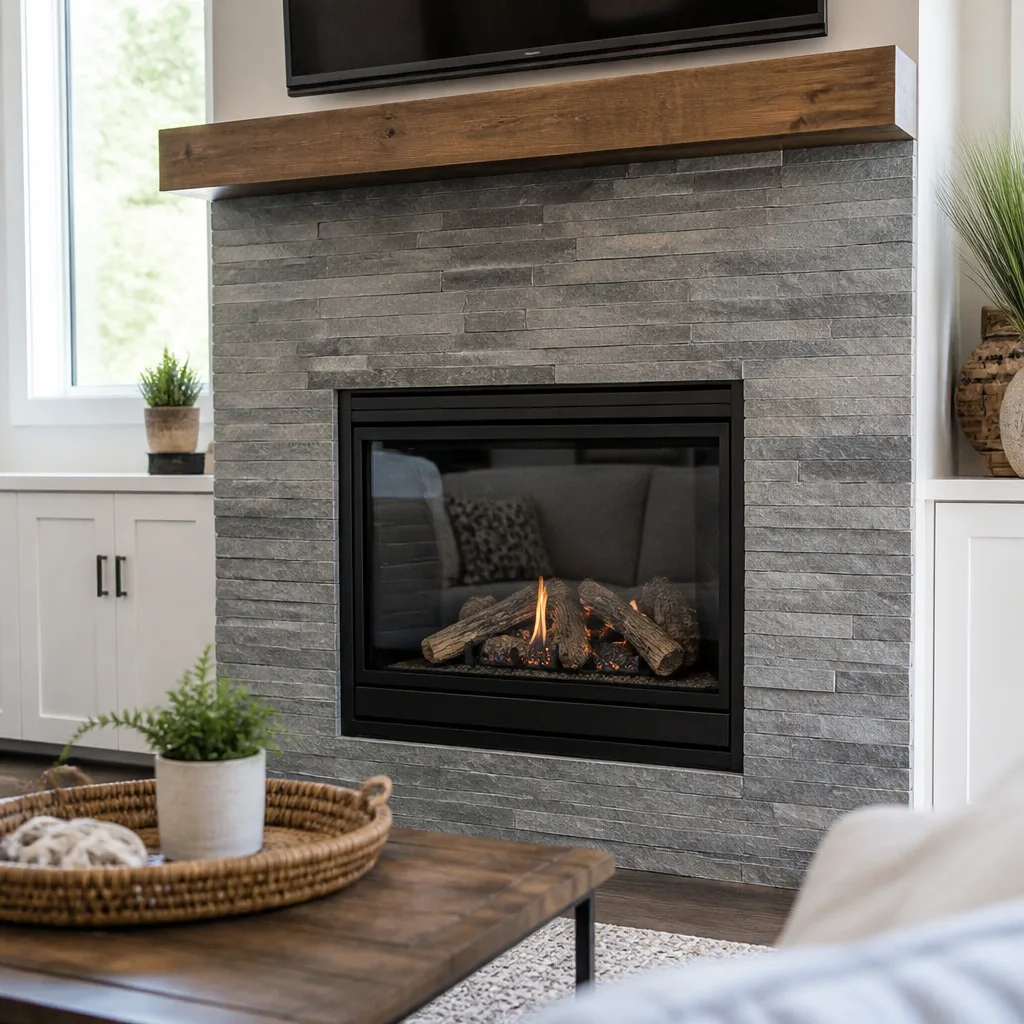 Gas fireplace service
Level 1 sweep and inspection to the NFPA 211 annual standard - flue, crown, cap, and flashing checked and photographed
Chimney sweep logs do not sweep chimneys. They loosen some creosote - which then falls where a brush and vacuum still have to collect it.
Chimney Cleaning Warning Signs: A Garden Grove Homeowner’s Reference Guide
In Garden Grove, where a fireplace might get lit six times a year and the rest of the time sits quiet behind glass doors, the early warning signs of chimney trouble rarely look like the dramatic photos in fire safety brochures. They look like a faint smell on a hot afternoon. A hairline crack in the mortar you almost don’t notice. Soot where soot shouldn’t be. This guide is built for the homeowner who wants to catch problems before they become four-figure repairs – or a fire – and you can find Chimney Sweep Troubleshooting: Common Problems and How to Fix Them for deeper diagnostics. We’ve compiled what we see in Garden Grove homes week after week: the quiet signals, the false alarms, and the specific moments when you should pick up the phone.
Quick Answer
The earliest chimney warning signs in Garden Grove homes are a campfire-like odor from an unlit fireplace (especially in summer), white staining on exterior brick, soot on the firebox face or mantel rather than just the base, and a persistent draft problem when the HVAC runs. Any one of these justifies a professional inspection, even if the fireplace hasn’t been used in months.
Styles & brands we work with
Table of Contents
- The Summer Campfire Smell: Why It’s Not Normal
- White Staining (Efflorescence) on Your Chimney Chase
- Cracking Sounds vs. Normal Settling: What to Listen For
- Reading Soot Location: Firebox Base vs. Face and Mantel
- Draft Problems in Garden Grove: It’s Often the HVAC, Not a Blockage
- Understanding Creosote Stages: What You Can’t See from the Hearth
- Animal Activity: Subtle Signs You’re Hosting More Than Dust
- Water Intrusion: The Slow-Motion Threat
The Summer Campfire Smell: Why It’s Not Normal
A chimney that smells like a campfire on a hot August afternoon when you haven’t lit a fire in eight months is telling you something specific, and it’s not a good thing. In Garden Grove’s dry summer heat, creosote deposits inside the flue warm up and release volatile compounds into the house. Think of it as the chimney exhaling what it’s been holding. When the air conditioning pulls air down the flue on a still evening – or when barometric pressure drops before a Santa Ana event – that odor gets pushed into the living room. The smell itself isn’t dangerous in that moment, but it’s a reliable indicator that something is coating the inside of your flue that shouldn’t be there.
That something is usually Stage 1 or Stage 2 creosote, or it’s organic material like bird nesting. Both are removable with a proper sweep, and both are far cheaper to address now than after they ignite or block airflow entirely. We’ve walked into Garden Grove homes where the homeowner assumed the smell was “just the fireplace being a fireplace.” It isn’t. A clean, undamaged chimney has no smell at all, in any season. If you notice the odor strongest on humid days or when the air conditioning has been running, that points to airflow reversal – a negative pressure condition – drawing flue gases into the home. That’s not a smell to mask with candles. It’s a reason to inspect.
Here’s the sequence we typically see in low-use Southern California fireplaces:
- A few fires per winter leave a thin, powdery, brown-black residue inside the flue – Stage 1 creosote.
- Months of disuse let that residue dry and cure in the warm chimney cavity.
- The first heat wave of summer expands the flue liner and releases odor-causing compounds.
- AC operation or a shift in air pressure draws that odor into the living space.
The fix is straightforward: remove the creosote via a professional sweep, and if odor persists, evaluate whether a chimney cap or damper replacement is needed. The smell is a symptom, not the problem itself. We treat it the same way a mechanic treats a check-engine light – clear it, then find what triggered it.
White Staining (Efflorescence) on Your Chimney Chase
White, chalky staining on the exterior brick of a Garden Grove chimney is not a cosmetic issue. It’s called efflorescence, and it means water is moving through the masonry. Something inside the chimney structure is saturated – often the mortar joints or the bricks themselves – and that water is dissolving salts from the masonry and depositing them on the surface as it evaporates. The white powder is a mineral record of moisture you can’t see.
Garden Grove’s climate matters here. We get nearly all our rain in a few winter months, then long dry spells. That wet-dry cycle is ideal for efflorescence to form. A chimney that gets soaked in January and baked in August will push salts to the surface with each cycle. The deeper problem is that the same moisture that creates the white stain is also breaking down mortar from the inside, corroding any metal components, and – critically – soaking into the flue liner. If your liner is porous or cracked, that moisture carries creosote acids deeper into the structure. Efflorescence is the early warning for spalling brick, failed crowns, and liner deterioration.
What to look for:
- White or grayish powder that reappears after rain, even if you clean it off
- Staining concentrated on one side of the chimney, suggesting a crack or failed joint there
- Accompanying moss or mildew growth in shaded areas
- Dark, damp-looking patches on interior walls adjacent to the chimney chase
We approach efflorescence as a moisture-tracing problem, not a scrubbing problem. Cleaning the visible stain without addressing the water entry point means it comes right back. Our inspections work from the cap down: crown condition, flashing, mortar joints, liner. When a repair is called for, we use professional-grade materials – including Olympia Chimney products for waterproofing and crown repair – selected for the specific exposure your chimney faces. A chimney chase in central Garden Grove faces different stresses than one near the 22 freeway with constant air movement and exhaust. The right material matters.
Cracking Sounds vs. Normal Settling: What to Listen For
Houses make noise. That’s not a chimney problem. But a specific kind of sound – a sharp, sudden crack, like a small piece of brick or mortar snapping – coming from the chimney chase is different from the low groans and pops of a house cooling at night. In Garden Grove, where temperature swings between winter nights and summer afternoons can be significant without being extreme, thermal expansion and contraction is constant. Mortar joints flex slightly. Metal liners expand. Most of this is silent or soft. A sharp crack typically means something has exceeded its flexibility.
What we’ve learned from tearing down and repairing chimneys across Garden Grove: failed mortar joints don’t announce themselves dramatically. The cracking sound is often the last few grains of a joint letting go after years of hairline separation. By the time you hear it, the joint has likely been compromised for some time. If you hear a crack, followed by a small piece of mortar on the hearth or in the firebox, that’s a confirmed material failure, not settling. The same goes for a rattle or ping from inside the flue when the wind blows – that’s often a loose liner section or a damper component.
What to do when you hear a suspect sound:
- Note the conditions: time of day, outside temperature, whether the fireplace was recently used.
- Check the firebox and hearth for debris – mortar sand, small chips, brick dust.
- Look at visible mortar joints from outside for fresh cracking or displaced joints.
- If debris is present, stop using the fireplace and schedule an inspection before the next burn.
One clarification: a fireplace that pops during the first fire of the season is gas expanding inside heated masonry pockets. That’s normal if it subsides as the fire stabilizes. A crack heard in a cold fireplace is the one that warrants attention. When we inspect, we look for the structural reason – often a failed crown letting water into the upper courses, which freezes and expands in the rare Garden Grove cold snap, prying joints apart. It doesn’t take many freeze-thaw cycles to do real damage.
Reading Soot Location: Firebox Base vs. Face and Mantel
Soot belongs in one place: on the floor of the firebox, in the grate area, and immediately up the first few feet of the flue where combustion happens. That’s the working zone. Soot anywhere else is a message. The most important distinction for a Garden Grove homeowner is between soot on the firebox base (normal, especially after a season of fires) and soot on the firebox face, the marble or tile surround, or the mantel (not normal, ever).
Here’s what each location tells you:
- Firebox base, even heavy soot: expected. This is where logs burn. A sweep should clean this with the rest of the system, but its presence isn’t a warning sign by itself.
- Firebox face or surround: the fire is rolling forward out of the firebox, meaning the flue isn’t drawing correctly. Either the damper isn’t fully open, the flue is partially blocked, or the house is experiencing negative pressure that’s pushing smoke out instead of pulling it up.
- Mantel soot: a stronger version of the above. Smoke is lingering at ceiling height or rolling out of the opening. This is a definite draft failure and a carbon monoxide risk during burns.
- Soot streak on the ceiling above the fireplace: hot smoke has been escaping at the top of the opening. This points to a severe draft problem or a fireplace that’s oversized for the flue.
In Garden Grove homes built across different decades, fireplace designs vary widely. Older mid-century builds often have wide firebox openings and unlined or minimally lined chimneys. Newer homes have factory-built units with tighter tolerances. Neither is immune to rollback if the draft is compromised. We’ve seen soot on garden-variety builder-grade mantels in west Garden Grove and on custom stone surrounds in the neighborhoods near the Anaheim border. The cause is never the quality of the stone. It’s airflow.
If you’re seeing soot outside the firebox, the first steps are simple: confirm the damper is fully open, check for visible debris in the flue throat, and consider whether a recent renovation changed your home’s air seal. New windows, a new HVAC system, or a remodel that tightened the envelope can all change how your chimney draws. When we get called out for soot on the surrounds, we measure the draft with the AC on and off, because in Garden Grove, air conditioning is the dominant indoor air handler for most of the year. The fix might be a cleaning, a damper adjustment, or a venting modification – but we won’t know until we test.
Draft Problems in Garden Grove: It’s Often the HVAC, Not a Blockage
Ask a homeowner why their fireplace won’t draw, and they’ll usually guess a blocked flue. Sometimes they’re right. But in Garden Grove, where central air conditioning runs for six to eight months of the year, a significant share of draft failures we diagnose have nothing to do with blockages. The culprit is negative pressure created by the home’s HVAC system and other exhaust appliances competing for the same air.
Here’s the physics in plain terms. Your chimney is a tube that relies on pressure difference – hotter, lighter air inside the flue rising – to pull smoke upward. When your air conditioner runs, it doesn’t actively exhaust air the way a furnace might, but the closed-house effect does: windows and doors sealed tight, an attic that’s been re-insulated, a kitchen hood or bathroom fan that’s now powerful enough to depressurize the whole structure. A fireplace trying to draw in a house under negative pressure is like trying to drink through a straw with a hole in it. The air the chimney needs gets pulled from every crack and opening instead.
Specific signs that HVAC-related negative pressure is your problem, not a dirty flue:
- The fireplace draws fine on cool evenings when the house is open and fails when the AC has been running all day
- Smoke rollback is worst at startup, then improves once a fire heats the flue and creates stronger updraft
- You smell fireplace odor inside the house when the AC runs, even with no fire at all
- Other exhaust appliances – a dryer, a kitchen hood – seem to cause a faint smoke odor at the fireplace
This issue is common enough in Garden Grove that we check for it on nearly every smoke rollback call. The good news: it’s often resolvable without major construction. Sometimes the answer is a top-mounted damper that seals better than a traditional throat damper, or a chimney cap design that helps stabilize the draft. Sometimes it’s a simple adjustment to how a room is ventilated. And yes, sometimes there is an actual blockage. That’s why we inspect the whole system rather than assuming. A clean flue that still doesn’t draw cleanly is a pressure problem, and we’d rather find that than sell a sweep that doesn’t fix the issue.
This is also why we take dryer vent cleaning as seriously as chimney sweeping. A dryer is an exhaust appliance just like a fireplace, and a clogged dryer vent pushes a home into negative pressure. We clean both in one visit because in a tight Garden Grove house, they affect each other. Check our dryer vent cleaning services if your utility room has been running hot or your dryer takes two cycles to finish.
Understanding Creosote Stages: What You Can’t See from the Hearth
Creosote is the byproduct of incomplete wood combustion, and it accumulates in stages that matter enormously for safety. The problem for a homeowner standing at the hearth is that Stage 1 creosote is nearly invisible, and Stage 2 looks like a dull black coating you might mistake for “normal” fireplace wear. By Stage 3, you have a glossy, tar-like glaze that is fuel, not residue. In a low-use Garden Grove fireplace, Stage 1 can hang around for years, slowly building with each winter’s fires. The risk comes when conditions change – a particularly hot fire, a different wood, a shift in draft – and that thin layer ignites.
The three stages, in plain terms:
- Stage 1: a fine, black, sooty powder. Easily swept. High surface area, flammable if allowed to build.
- Stage 2: a darker, granular, flaky deposit. Harder to remove, needing mechanical brushing. Still common in low-use chimneys.
- Stage 3: a thick, tarry, shiny glaze. Concentrated fuel. Requires chemical treatment or more aggressive removal. A chimney fire waiting on the right temperature.
You cannot accurately assess creosote stage from the firebox. A masonry flue bends, narrows, and corners in places you can’t see without a camera. That’s why our service includes visual inspection of the full flue, not just what a brush pulls loose. In older Garden Grove homes with brick chimneys, the interior surface is rough – mortar joints, uneven brick – which gives creosote more to latch onto than the smooth metal liner of a factory-built unit. The same number of fires can produce significantly more buildup in an old brick flue than in a modern metal one.
If you’ve burned artificial logs – the wax-and-sawdust style popular for occasional fires – be aware that these can produce a soft, sticky residue that adheres differently than wood creosote. We see it often in homes where the fireplace is used a few times a year, usually around the holidays, with whatever log was on sale. It’s not inherently dangerous, but it’s worth mentioning at your sweep so we can treat the flue correctly. Professional-grade products like HeatShield are used when resurfacing is needed after years of creosote damage or moisture intrusion, and that repair-level capability is why we stock materials beyond basic brushes.
Animal Activity: Subtle Signs You’re Hosting More Than Dust
Garden Grove’s chimney caps and flue covers do more than keep rain out – they’re the front line against the area’s very determined wildlife. Squirrels, roof rats, birds, and the occasional raccoon all see an uncapped chimney as premium real estate. The signs of animal activity are often mistaken for other problems: a musty smell, rustling sounds, a sudden draft issue, or a plume of debris when a fire is first lit. By the time you see a bird fly out of your fireplace, the nest has been there for weeks.
Here’s what to watch for:
- Unusual sounds inside the chimney chase: scratching, fluttering, chittering, especially in early morning or evening
- Debris in the firebox that isn’t ash: twigs, leaves, grass, feathers, or pellets
- A sudden, strong, unpleasant odor from the fireplace, distinct from smoke smell
- Visible nest material at the flue opening from the roof
- Flies or small insects appearing around the fireplace in warm weather
Bird nesting inside a chimney is a fire hazard – dry twigs are ideal combustion material – and a respiratory concern. Raccoons bring the added problem of size: a large animal blocking the flue can create carbon monoxide backup even if you never light a fire. We remove nests and animals (within local wildlife regulations) and, crucially, we don’t just clear the flue and call it done. The animal got in because there’s an access point. A proper cap – like the ones we source from Famco and Copperfield – closes that door permanently. If you’ve had one animal guest, you’ll likely have another unless the cap situation changes. You can see more about how we handle the full scope of this on our chimney sweep page.
Water Intrusion: The Slow-Motion Threat
Fire is the dramatic threat, but water does more dollar damage to Garden Grove chimneys than flames ever will. The reason is simple: our wet season is brief but intense, and the long dry spells convince homeowners that a little dampness is harmless. It isn’t. Water moving through a masonry chimney dissolves the calcium compounds that bind mortar, corrodes metal liners and dampers, and – most insidiously – gets absorbed by the flue liner, where it mixes with creosote to form an acidic slurry that eats away at the structure from the inside.
Signs that water is already inside your chimney system:
- Damp or stained drywall where the chimney passes through upper floors or the attic
- Rust on the damper, firebox hardware, or visible metal components
- A white, chalky residue on interior firebox walls (not the same as exterior efflorescence, but related)
- Peeling paint or warped trim on the ceiling around the chimney chase
- A persistent musty odor from the fireplace in summer, distinct from smoke odor
The most common entry points we find in Garden Grove homes are failed chimney crowns (the concrete cap at the top), missing or loose flashing where the chimney meets the roofline, and deteriorated masonry caps. Each has a different fix, and each requires materials matched to the condition. A crown with hairline cracking can sometimes be sealed with a professional-grade crown coat – Olympia Chimney makes the products we use for this. Flashing that’s pulling away needs to be mechanically resecured and sealed. And if the liner itself is compromised from years of water and creosote acid, the repair-grade answer is a DuraFlex liner system. Our chimney repair services address all of these without sending you to a separate contractor.
The DIY temptation with water intrusion is to grab a bucket of masonry sealer from the hardware store and coat the exterior brick. That usually makes the problem worse. Sealing the outside traps water inside the masonry, accelerating internal damage. Proper water management is about directing water away – caps, flashing, crowns – not painting over the path it takes. If you’re seeing signs of water, get a camera inspection before spending money on a fix you might have to undo.
Common Mistakes to Avoid
- Ignoring the summer smell. A campfire odor from an unused fireplace in August is a signal, not a quirk. It means creosote or organic matter is present and off-gassing. It gets worse, not better, with time.
- Cleaning the efflorescence without fixing the water entry. White staining will recur in months if the moisture source isn’t addressed. You’ll have cleaner-looking brick and the same structural problem underneath.
- Assuming a draft problem means a dirty flue. In Garden Grove’s tight, AC-driven houses, negative pressure often causes rollback in a perfectly clean chimney. Rule out airflow before scheduling a sweep that won’t change anything.
- Using the fireplace as “backup heat” during a cold snap without a recent inspection. A chimney unused for years can have hidden animal nesting or Stage 2 creosote that makes its first burn in years its most dangerous.
- Sealing exterior brick as a water fix. Exterior masonry sealers trap moisture inside the structure. The fix is caps, flashing, and crown repair – water direction, not water containment.
- Waiting until you see smoke rollback to address soot on the mantel. Soot outside the firebox is the late signal of a draft problem that’s been building. By the time it’s visible, the airflow issue is established.
- Treating a chimney guy and a vent guy as two different calls. A dryer vent is an exhaust path just like a flue, and in a modern sealed house they affect each other. A single provider who sees both sees the whole picture.
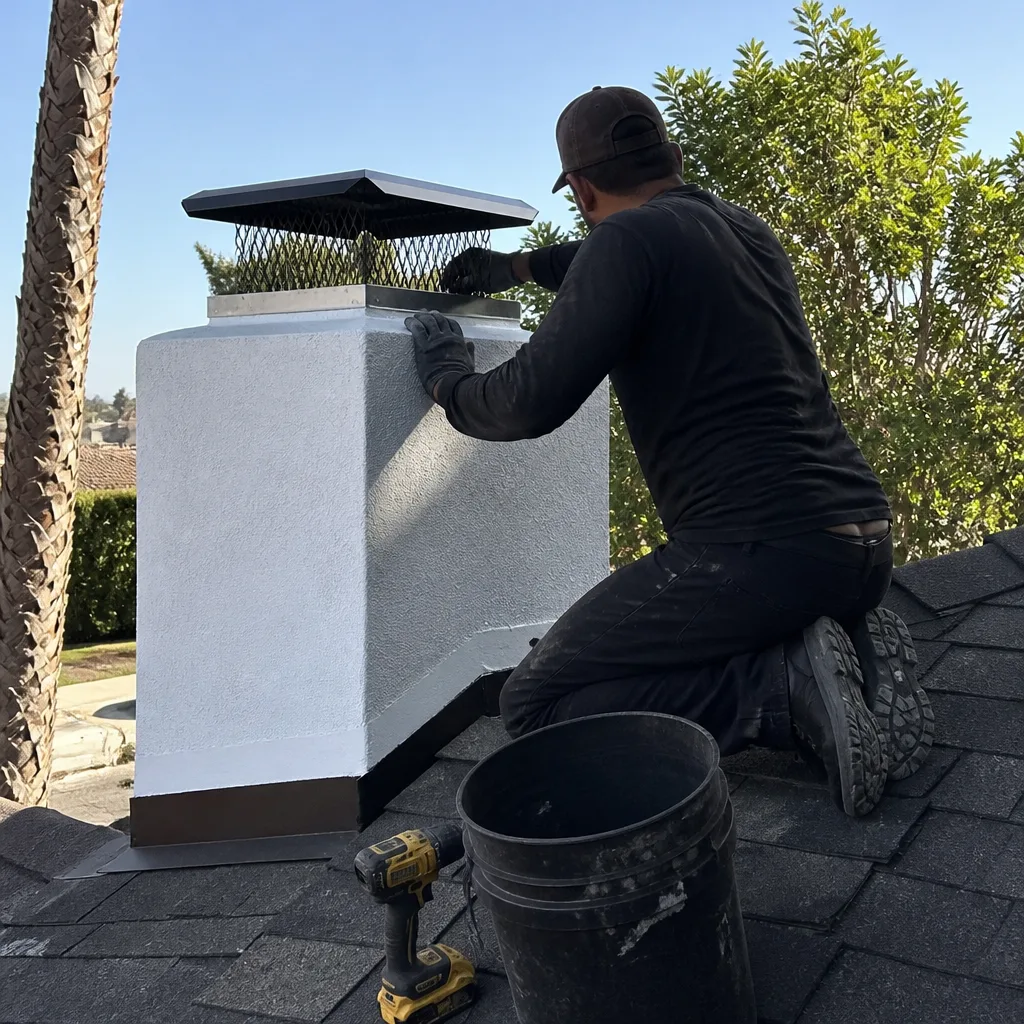
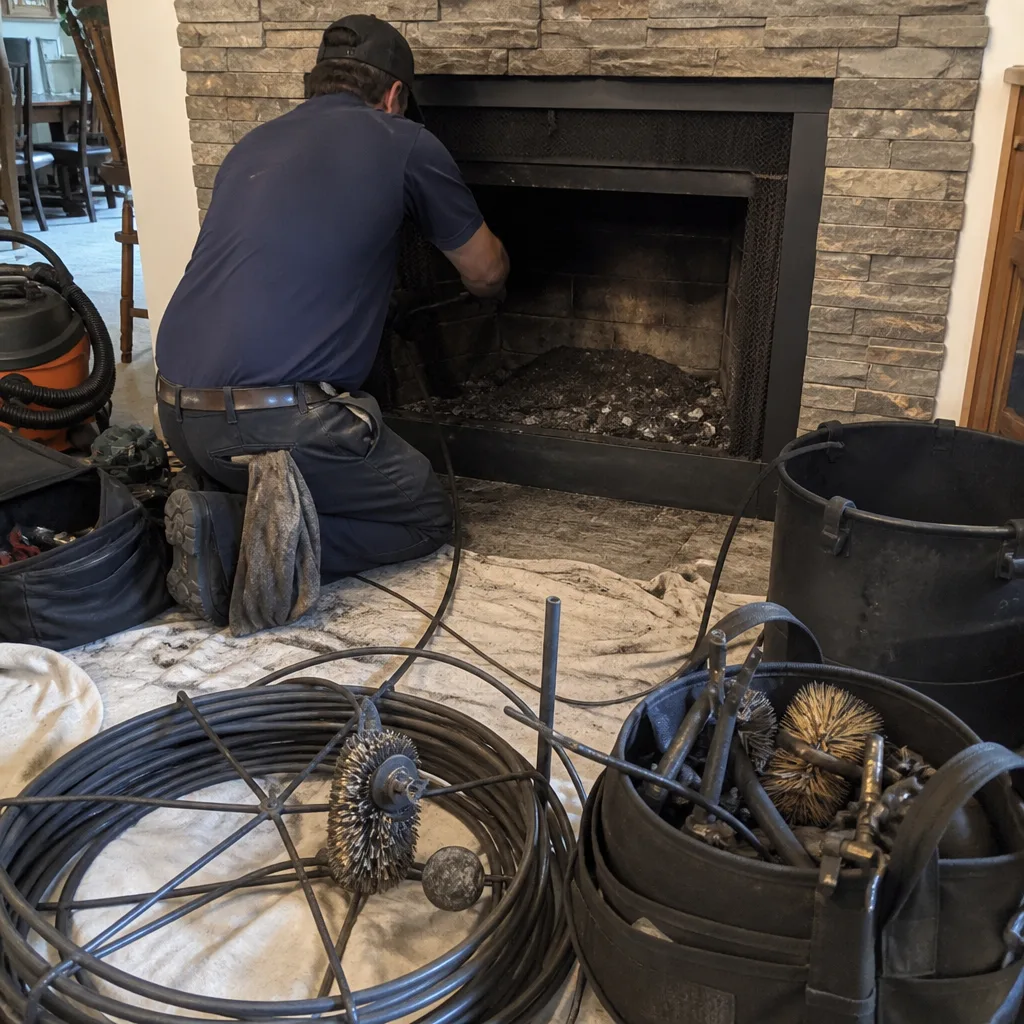
See the difference
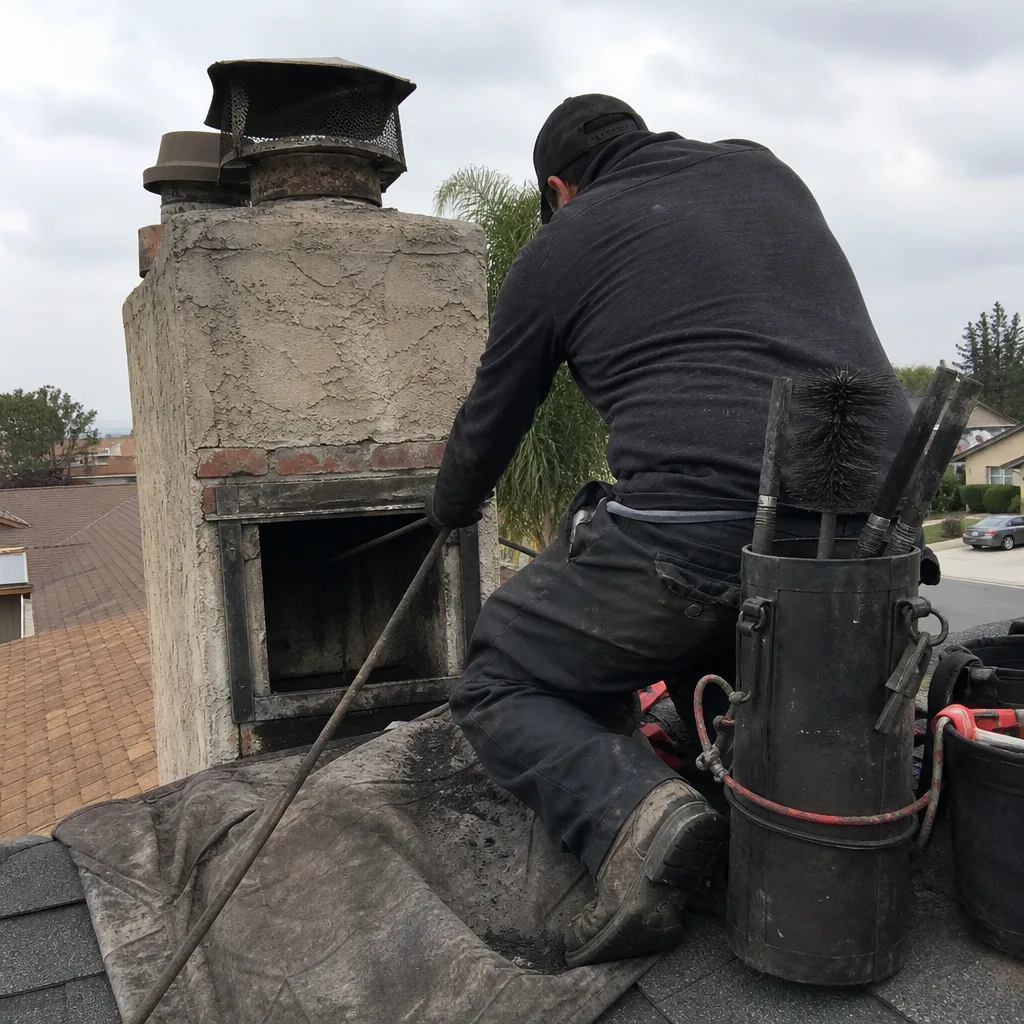 Before
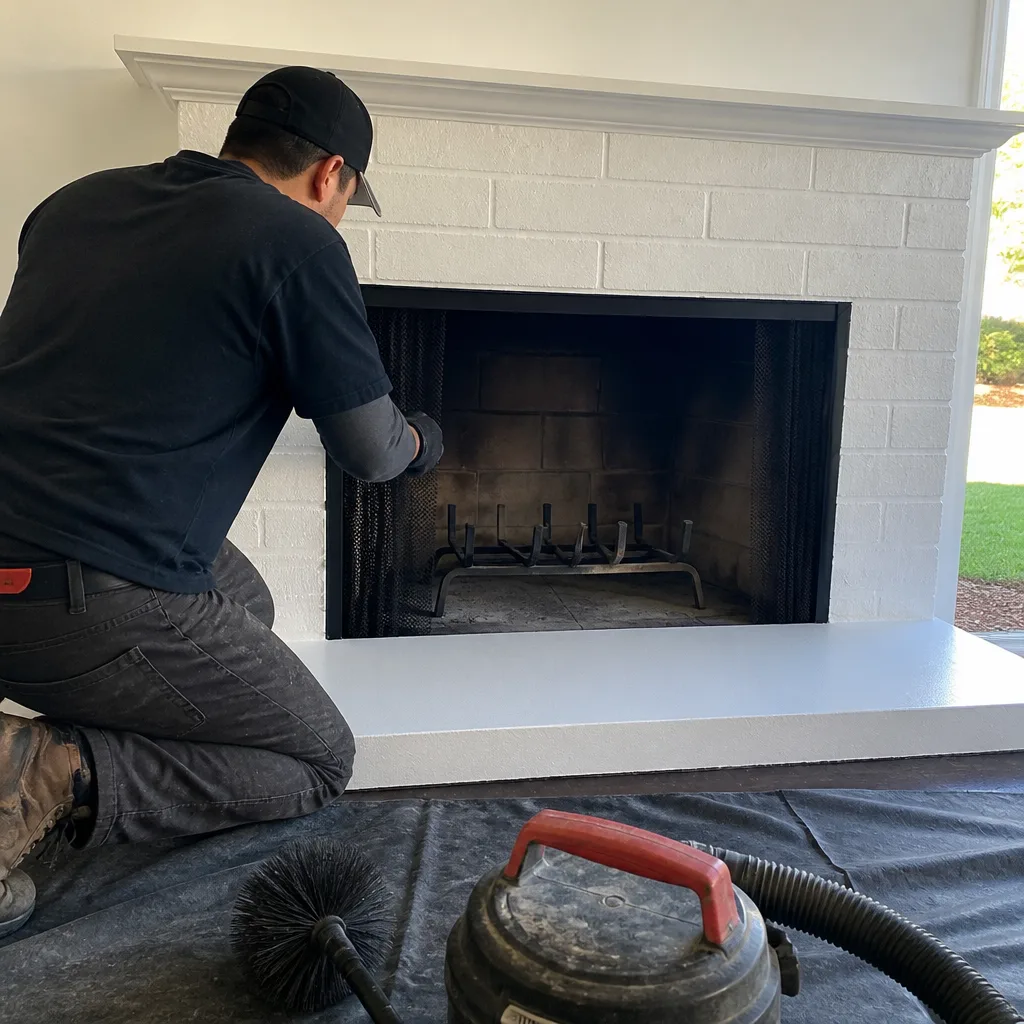 After
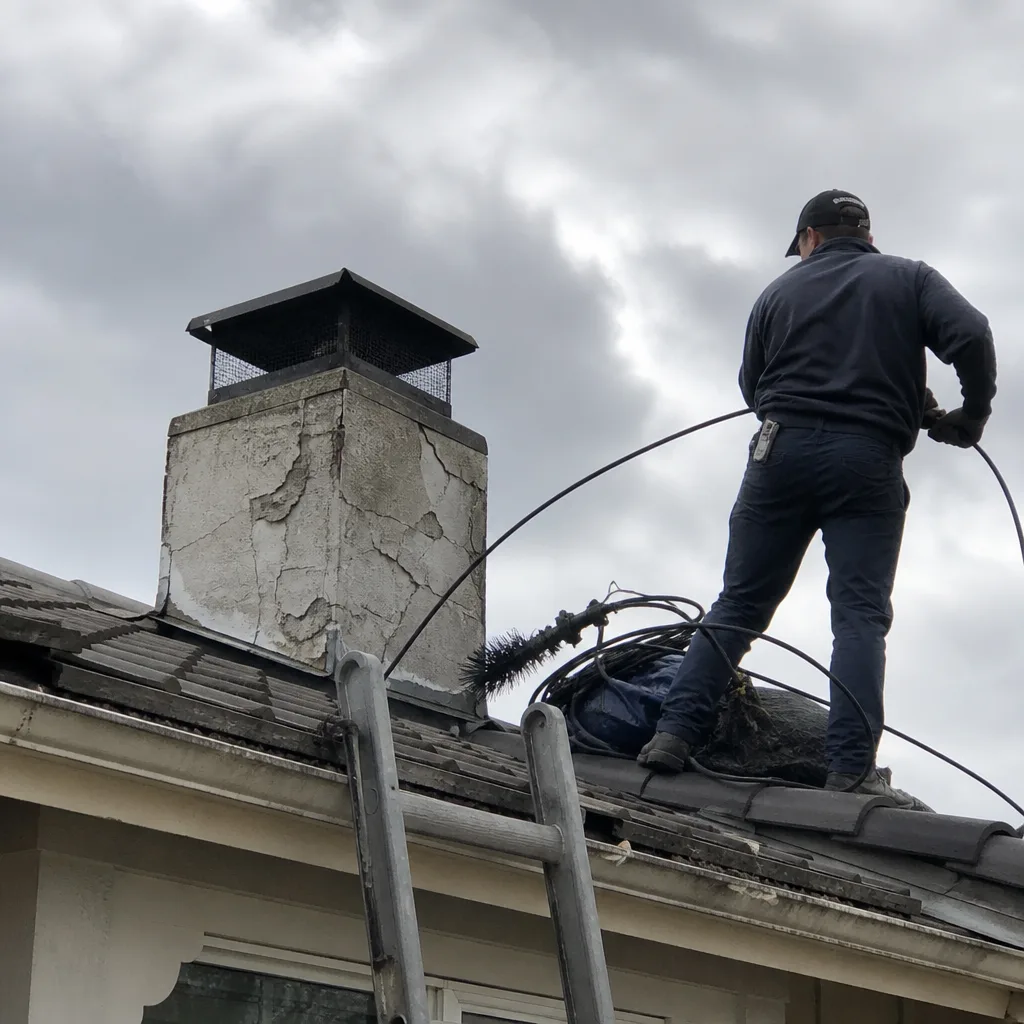 Before
 After
 Before
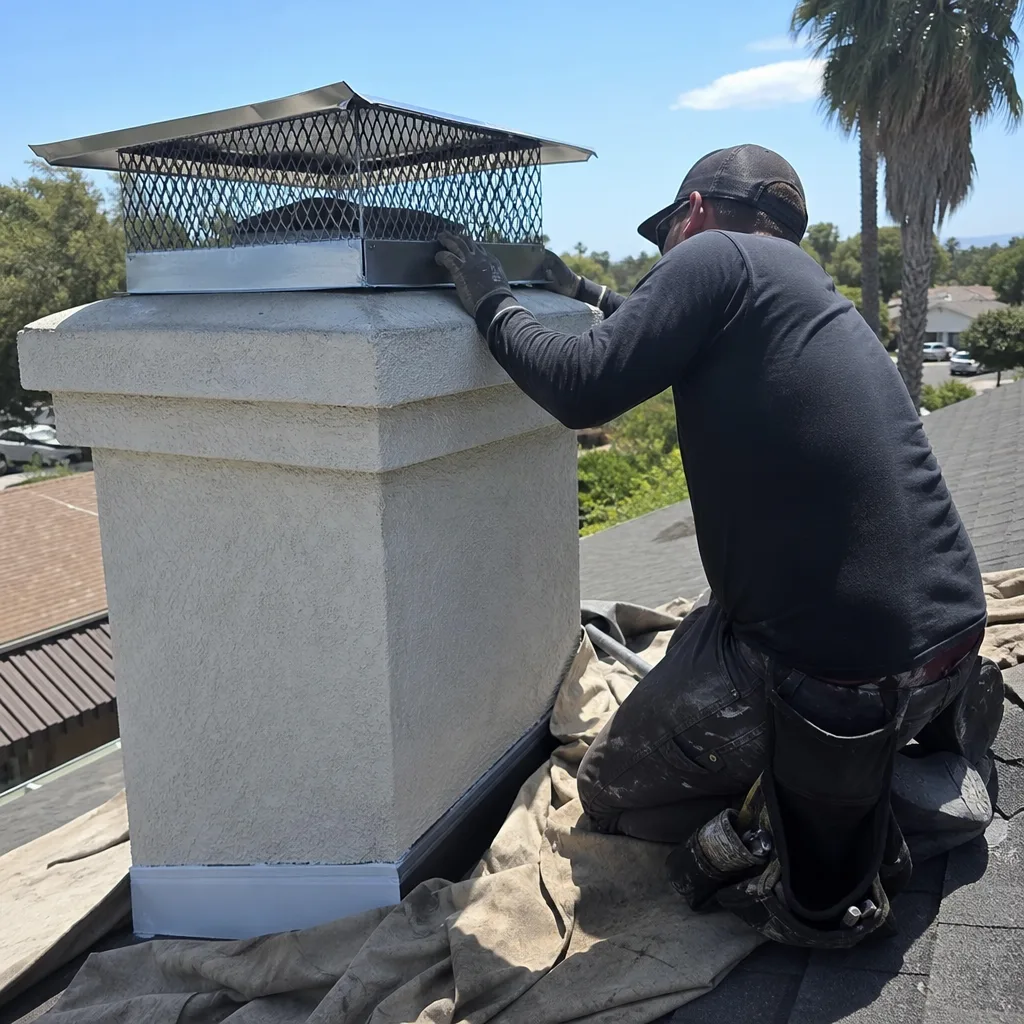 After
When to Call a Professional
Call for a professional inspection if you notice any of the specific signals in this guide: campfire odor from an unlit fireplace, persistent white staining that recurs after rain, a sharp cracking sound from the chimney chase with debris in the firebox, soot on the fireplace surround or mantel, draft failure that matches AC operation, or any sign of animal activity in the flue. Also call if it’s simply been more than two years since your last sweep – in a low-use Garden Grove fireplace, buildup can accumulate without obvious signs. A camera inspection answers what a visual check cannot, and it’s cheaper than the repair that follows years of neglect. Walnut Chimney offers free estimates in Garden Grove – call (855) 341-3461.
Frequently Asked Questions
A smoke or campfire smell from an unused chimney means creosote or nesting material inside the flue is warming up and releasing odor into the house, especially in summer heat or when AC pulls air down the flue. It’s one of the earliest reliable indicators that your chimney needs cleaning even if you can’t see the buildup.
White staining (efflorescence) is always serious as a signal because it means water is moving through your masonry. The stain itself is cosmetic, but the moisture that creates it is breaking down mortar and possibly the liner. If it returns after cleaning, the water entry point is active and needs to be found.
Yes. Soot on the mantel or fireplace surround means smoke is escaping the firebox instead of rising up the flue, which indicates a draft problem or partial blockage. Even small amounts mean combustion gases are entering the living space during a fire, and that’s a carbon monoxide risk you should address before the next burn.
Yes, and in Garden Grove it’s one of the most common causes. A tightly sealed house with AC running can create negative pressure that pulls air down the chimney instead of letting smoke rise. This is often mistaken for a blockage, but the fix is different – testing the draft with the system on is the only way to know.
Even a fireplace used only a few times a year should be inspected and swept at least once every two years. In low-use chimneys, creosote can slowly accumulate without visible warning, and animals can move in between uses. A $250-$400 sweep is insurance against a chimney fire or structural repair that costs ten times that.
A bird nest must be removed before the next fire – dry twigs are highly flammable and a nest can block the flue entirely, creating carbon monoxide backup. After removal, a proper chimney cap should be installed to prevent recurrence. Most Garden Grove homes without caps will see repeat nesting.
The Bottom Line
In a low-use Garden Grove fireplace, the warning signs that matter are usually quiet ones: a summer campfire smell, white staining that comes and goes, soot where it shouldn’t be, a draft that fails when the AC runs. None of these are normal, and none of them fix themselves. The good news is that caught early, most chimney problems are cheap to fix – a sweep, a cap, a crown coat. Caught late, they become relining jobs and structural repairs. If you’ve seen one of these signs in your own home, call (855) 341-3461 for a free estimate. We’ll show you what’s actually happening inside your flue, with camera evidence, before recommending any work. From the Walnut Chimney home to the full scope of our repair capabilities, one company handles the whole system.
Written by the team at Walnut Chimney, serving Garden Grove since 2017. Explore more guides & resources on chimney care.