Last updated October 31, 2026
 Sweep & inspection
 Caps & crowns
 Flue relining
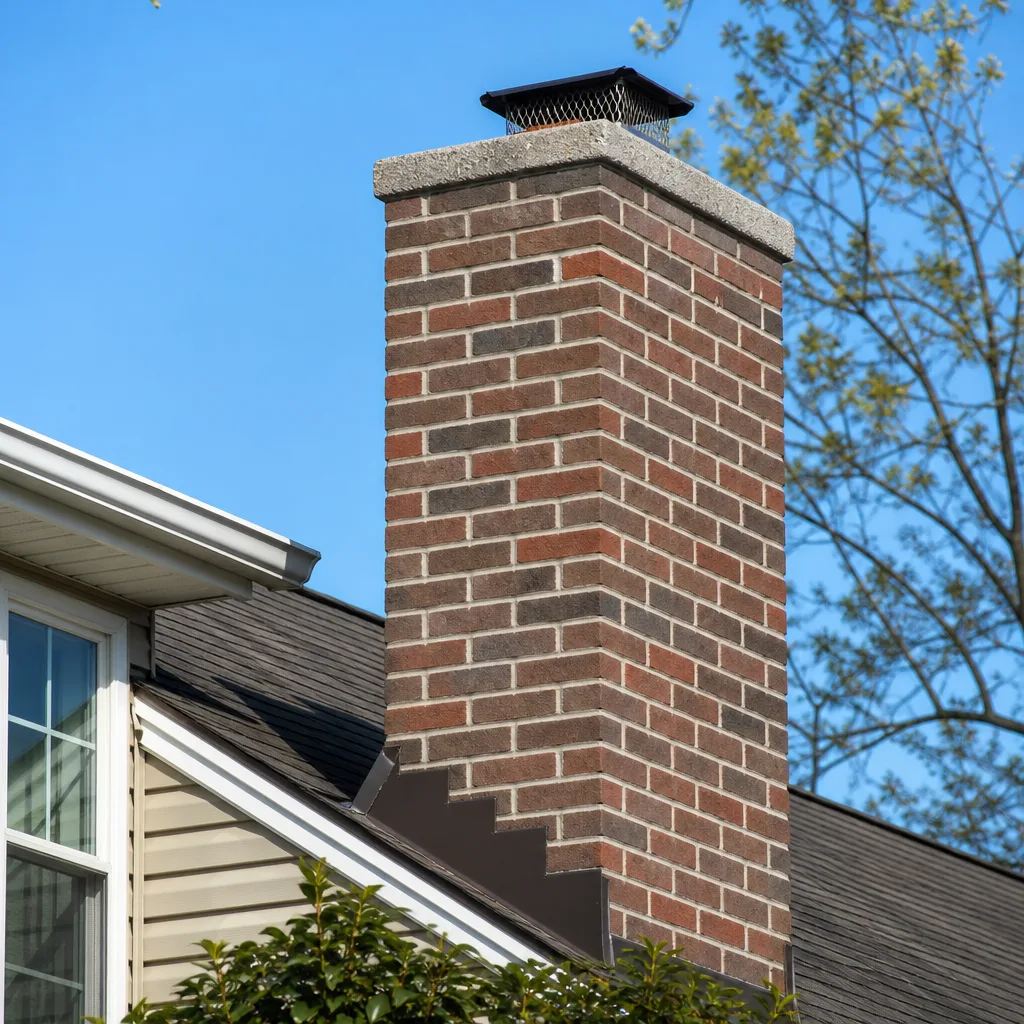 Masonry repair
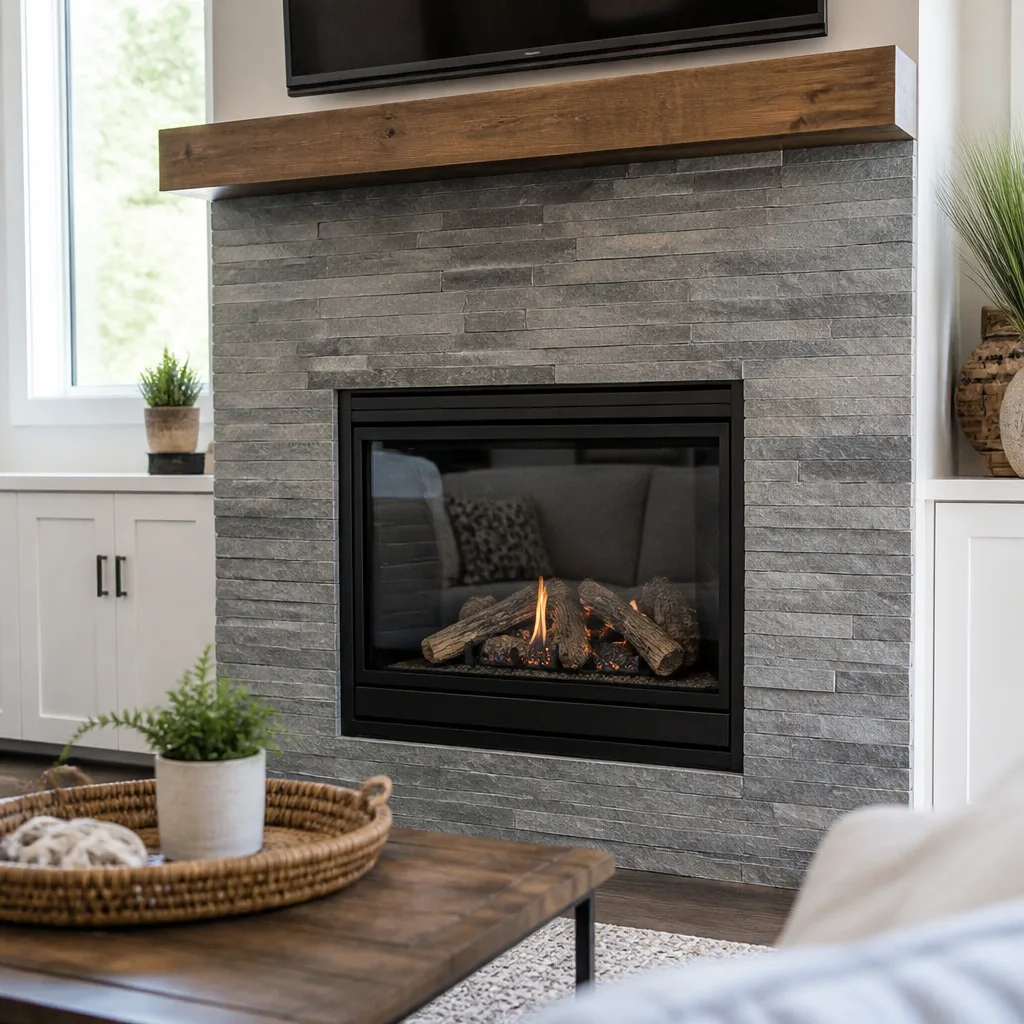 Gas fireplace service
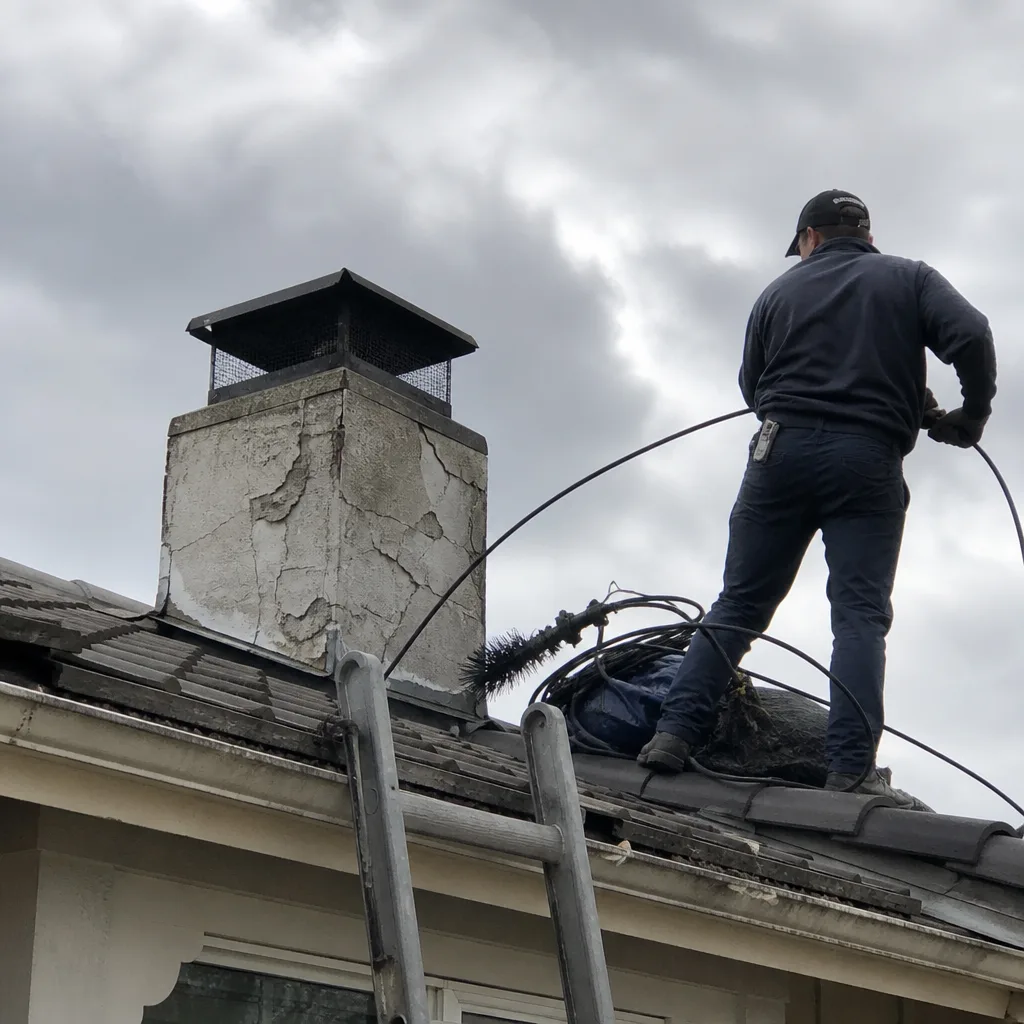
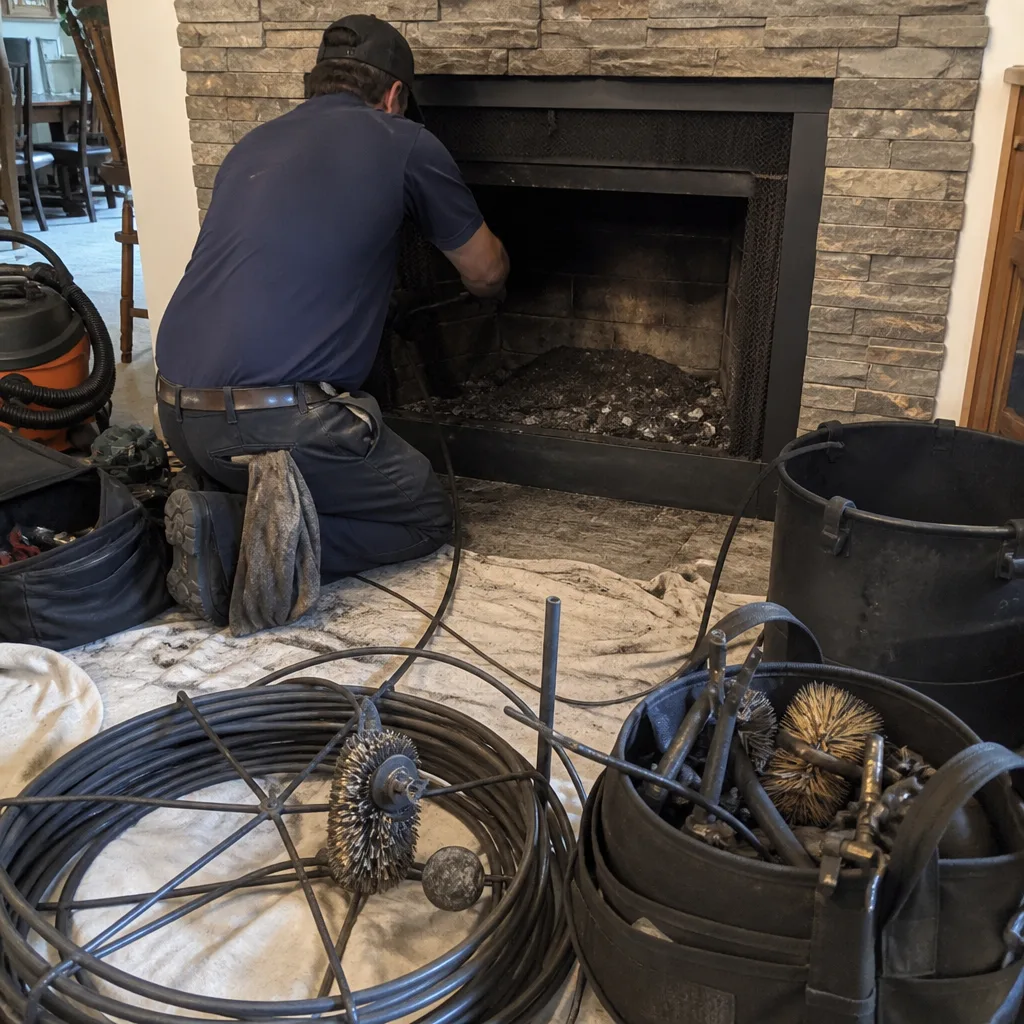
Level 1 sweep and inspection to the NFPA 211 annual standard - flue, crown, cap, and flashing checked and photographed
Chimney sweep logs do not sweep chimneys. They loosen some creosote - which then falls where a brush and vacuum still have to collect it.
Chimney Cleaning Emergency Preparedness Guide for Garden Grove Homes
Most chimney emergency guides are written for houses in Vermont or Ohio, where creosote-choked flues from constant wood burning are the dominant hazard. Garden Grove is different. We don’t burn wood for six months straight, so we don’t accumulate the same heavy creosote glaze, but we face a set of hazards those guides never mention: gas flue blockages, earthquake-damaged liners, and wind-driven ember entry during Santa Ana events. This guide covers the actual emergency scenarios you’re likely to face in Garden Grove, what to do in the critical first minutes, and how to prepare before fire season puts your flue to the test. For chimney cleaning warning signs every Garden Grove homeowner should know, see our dedicated reference guide.
Styles & brands we work with
Quick Answer
Chimney emergency preparedness in Garden Grove means knowing four things: how to recognize a blocked or damaged flue (gas smell, smoke backing up, visible cracks after tremors), how to shut down a gas fireplace safely if you suspect blockage, what documentation your insurer will ask for, and which scenarios need immediate professional attention versus which can wait until morning. The most overlooked local risk is an uncapped chimney during Santa Ana winds, when embers travel miles and enter through damaged spark arrestors.
Table of Contents
- The Garden Grove Emergency Profile: What Actually Goes Wrong Here
- Chimney Fires in a Low-Creosote Climate: What They Look Like and What to Do
- Gas Appliance Backdraft and Flue Blockage: Shutting Down Safely
- Earthquake Damage: Why the Exterior Looking Fine Means Nothing
- Santa Ana Wind Events: Ember Entry and Wind-Driven Blockage
- Emergency Contacts and Documentation Every Garden Grove Homeowner Needs
- What a Pre-Season Chimney Inspection Actually Checks
- Common Mistakes to Avoid
- When to Call a Professional
- Frequently Asked Questions
- The Bottom Line
The Garden Grove Emergency Profile: What Actually Goes Wrong Here
Garden Grove sits in a seismic zone with a Mediterranean climate, and that combination creates a distinct chimney risk profile. We don’t see the dramatic creosote fires common in cold-weather states. What we do see, year after year, falls into three categories: gas appliance flue blockages from nesting birds and wind-blown debris, hairline cracks in clay tile liners caused by earthquake movement, and ember intrusion through damaged caps during high-wind fire weather. Each of these presents differently, and each requires a different response.
The bird problem is more common than most homeowners realize. Garden Grove’s mature trees and warm climate make chimneys attractive nesting sites for starlings, sparrows, and chimney swifts. A nest built during spring can sit undetected for months, slowly restricting the flue until a gas fireplace or furnace starts backdrafting on a cold December evening. The first sign is often not visible smoke but a faint exhaust smell inside the house.
Earthquake damage is cumulative. A 4.0 tremor may not knock anything off your shelves, but it can shift the mortar joints inside your chimney enough to create a gap. The next tremor widens it. By the time a bigger quake hits, the liner may have multiple compromised points, any of which can allow heat and gases into the wall cavity. Post-tremor inspections are not paranoia; they’re the only way to catch liner damage that’s invisible from the ground.
This is the reality of chimney emergencies in Garden Grove: they tend to be slow-developing conditions that suddenly become urgent, not dramatic fires that start in minutes. That means preparation and scheduled inspection are your best tools. A chimney that’s been inspected within the last twelve months rarely produces a genuine emergency. We look for these specific failure patterns because we know they’re what this region produces. For a full overview of what a professional sweep covers, see our Chimney Sweep in West Athens service page.
Chimney Fires in a Low-Creosote Climate: What They Look Like and What to Do
A chimney fire in Garden Grove won’t sound like the roaring freight train described in national safety literature. Because our creosote accumulation is typically lighter, a fire here often presents as a persistent crackling or popping sound from the flue, a strong hot smell, or visible flames or sparks from the chimney top on a still night. In some cases, the only sign is excessive heat radiating from the chimney chase inside the house. The response differs from a classic creosote fire because the fire is usually smaller, but the structural damage can still be significant.
Here’s the sequence to follow if you suspect an active chimney fire in a Garden Grove home:
- Close the damper or air intake immediately. This cuts the oxygen supply and slows the fire. Do not try to extinguish it with water inside the firebox, which can crack the firebrick and worsen the situation.
- Evacuate everyone from the house. A chimney fire can transition into a structure fire faster than most people expect, especially if the liner is already compromised by earthquake movement.
- Call 911 from outside. Tell the dispatcher specifically that you believe there’s a chimney fire. They’ll notify the responding crew so they check the flue and attic, not just the firebox.
- Shut off gas to the appliance if your fireplace or insert is gas-fired and you can reach the shut-off valve safely on your way out. For most Garden Grove installations, this valve is either on the wall beside the fireplace or in the cabinet below it.
- Do not re-enter the house until firefighters confirm the fire is fully out. Chimney fires can smolder inside the flue long after visible flames disappear.
After the fire is out, the chimney is out of service until a professional inspection. Even a small fire can damage the liner, and a damaged liner is invisible without a camera scope. This is where preparation pays off: if you’ve had a recent inspection on record, your insurance claim moves faster because you can demonstrate the chimney was maintained. We recommend photographing everything, including the exterior chimney cap and any visible damage, before calling your insurer.
Gas Appliance Backdraft and Flue Blockage: Shutting Down Safely
Gas fireplaces and furnaces don’t produce creosote, but they still depend on a clear flue to exhaust carbon monoxide. When a flue becomes blocked by a bird’s nest, wind-driven debris, or a collapsed liner section, the exhaust has nowhere to go but back into the house. This is a backdraft, and it’s the most common gas chimney emergency we see in Garden Grove.
The warning signs are specific. You’ll notice a sulfur or “burnt air” smell near the fireplace while it’s running. Soot may appear on the glass front or on the wall above the opening. Flames in a gas insert will burn yellow and lazy instead of blue and crisp, indicating poor combustion. If you experience headaches or nausea that improve when you leave the room, that’s a carbon monoxide warning sign. Take it seriously. This is not the time for a wait-and-see approach.
If you suspect a blocked flue on a gas appliance, here’s the safe shutdown sequence:
- Turn off the gas appliance at the unit switch. Most gas fireplaces in Garden Grove have a wall switch, a remote, or a switch on the unit itself. Do not reach into the firebox.
- Find the gas shut-off valve. On most direct-vent and B-vent installations, the valve is in the access panel below the fireplace. Turn the handle 90 degrees so it crosses the pipe. This stops gas flow to the appliance only, not the whole house.
- Open windows and doors to ventilate. Let the house air out while you assess the situation.
- Do not use the appliance again until the flue has been professionally inspected. Blockages rarely resolve themselves, and running the appliance with a compromised flue puts carbon monoxide into your living space.
- Call a professional for a camera inspection. A visual check from the firebox won’t show you what’s happening 15 feet up the flue.
If a carbon monoxide detector is sounding, treat it as an emergency: evacuate, call 911, and do not re-enter until first responders have cleared the house. Carbon monoxide is odorless and colorless; the detector is the only reliable warning system you have. Every Garden Grove home with a gas appliance should have a CO detector on each floor, and the batteries should be tested when you change your smoke detector batteries.
Earthquake Damage: Why the Exterior Looking Fine Means Nothing
Most chimney damage from earthquakes in Garden Grove happens inside the flue, where you can’t see it. The exterior masonry may look perfectly intact while the clay tile liner inside has shifted, cracked, or separated at the mortar joints. This matters because the liner is what protects your home from heat transfer and gas leaks. Once the liner is compromised, the chimney is unsafe to use, regardless of how the outside looks.
What should you check after a tremor of magnitude 3.5 or higher? Start with the obvious: look at the chimney from the ground on all visible sides. Check for new cracks in the stucco or brick, gaps between the chimney and the house, or a visible lean. But understand that a clean exterior inspection does not clear the chimney for use. The damage that matters most happens inside the flue.
Inside the house, look for these signs of post-earthquake chimney damage:
- Dust or debris in the firebox that wasn’t there before. This often comes from cracked mortar joints inside the flue.
- A new smell inside the chimney or fireplace, particularly a musty or dusty odor after the tremor.
- Loose or shifted chimney cap or spark arrestor visible from the roof or with binoculars.
- New gaps between the fireplace surround and the wall, indicating the firebox shifted relative to the structure.
- Difficulty opening or closing the damper, which can mean the chimney has shifted and the damper frame is now binding.
After any significant seismic event, the safest course is to have a camera inspection before using the chimney again. The inspection looks for liner cracks, displaced tiles, and compromised mortar joints that can allow heat and combustion gases into the wall cavity. In our experience working with Garden Grove homes, even a moderate tremor can produce liner damage that would go completely unnoticed without a camera. We use a camera scope on every inspection, and we show our customers what we’re seeing. A clean chimney is a measurable thing, and so is a damaged one. If you’re also noticing slow dryer performance after a quake, be aware that Dryer Vent Cleaning in West Athens addresses a similar hidden-duct problem in laundry exhaust systems.
Santa Ana Wind Events: Ember Entry and Wind-Driven Blockage
During a Santa Ana event, Garden Grove sits downwind of wildfire zones, and the wind carries embers for miles. A properly capped chimney with an intact spark arrestor is a barrier. A chimney with a missing cap, a damaged arrestor, or a rusted-out mesh screen becomes an ember entry point, and an ember that lands on accumulated creosote, a bird’s nest, or any debris in the flue can ignite. This is the emergency scenario most national chimney safety resources don’t address, because most of the country doesn’t experience wind-driven ember storms.
The risk is not hypothetical. During Santa Ana conditions, wind speeds in the Garden Grove area can reach 50 to 70 mph, and embers from fires 10 to 20 miles away can travel into residential neighborhoods. Once an ember enters the flue, it doesn’t need to start a chimney fire to cause damage; it can smolder in a nest or on creosote coating for hours, then flare after the wind dies down and everyone has gone to bed.
Preparation before fire season is straightforward:
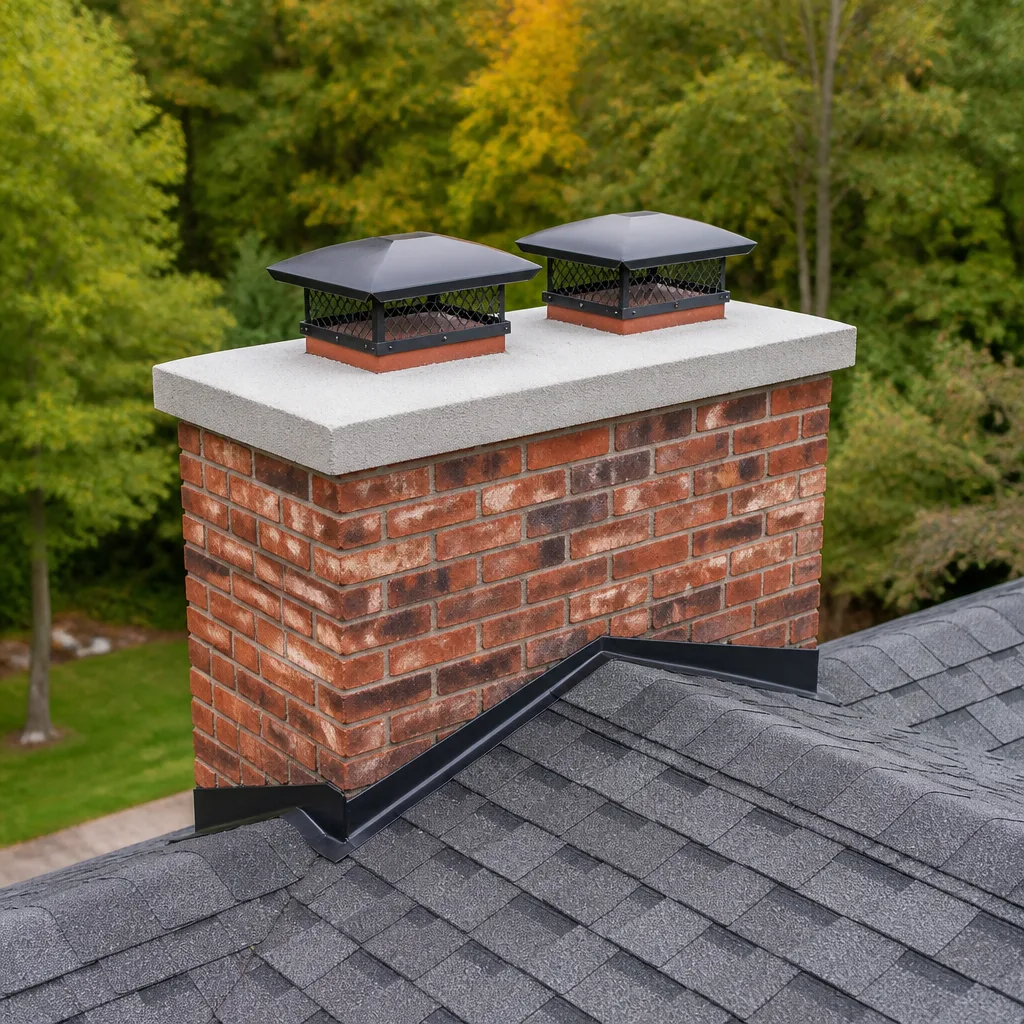
- Verify the spark arrestor is intact. It should be a fine mesh, typically 3/4 inch, covering the entire flue opening. Gaps, rust holes, or missing sections defeat the purpose.
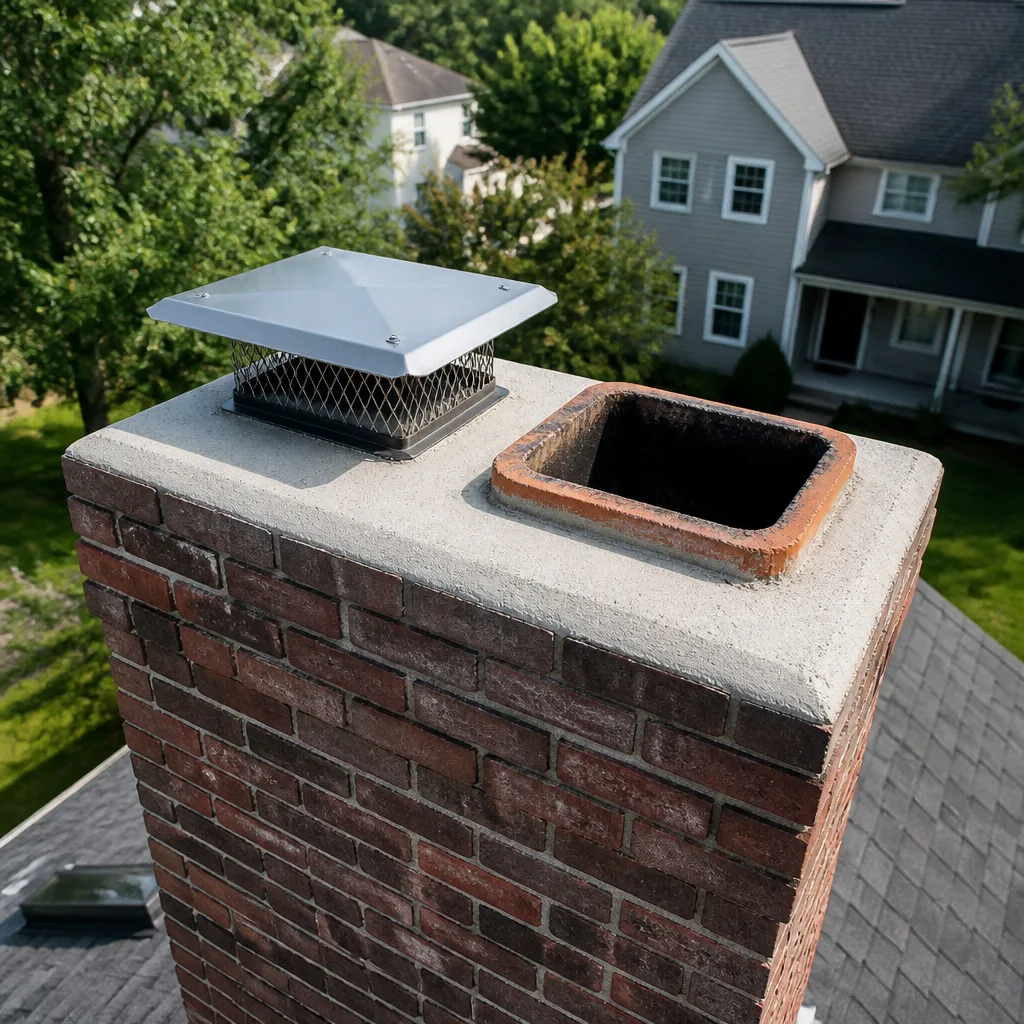
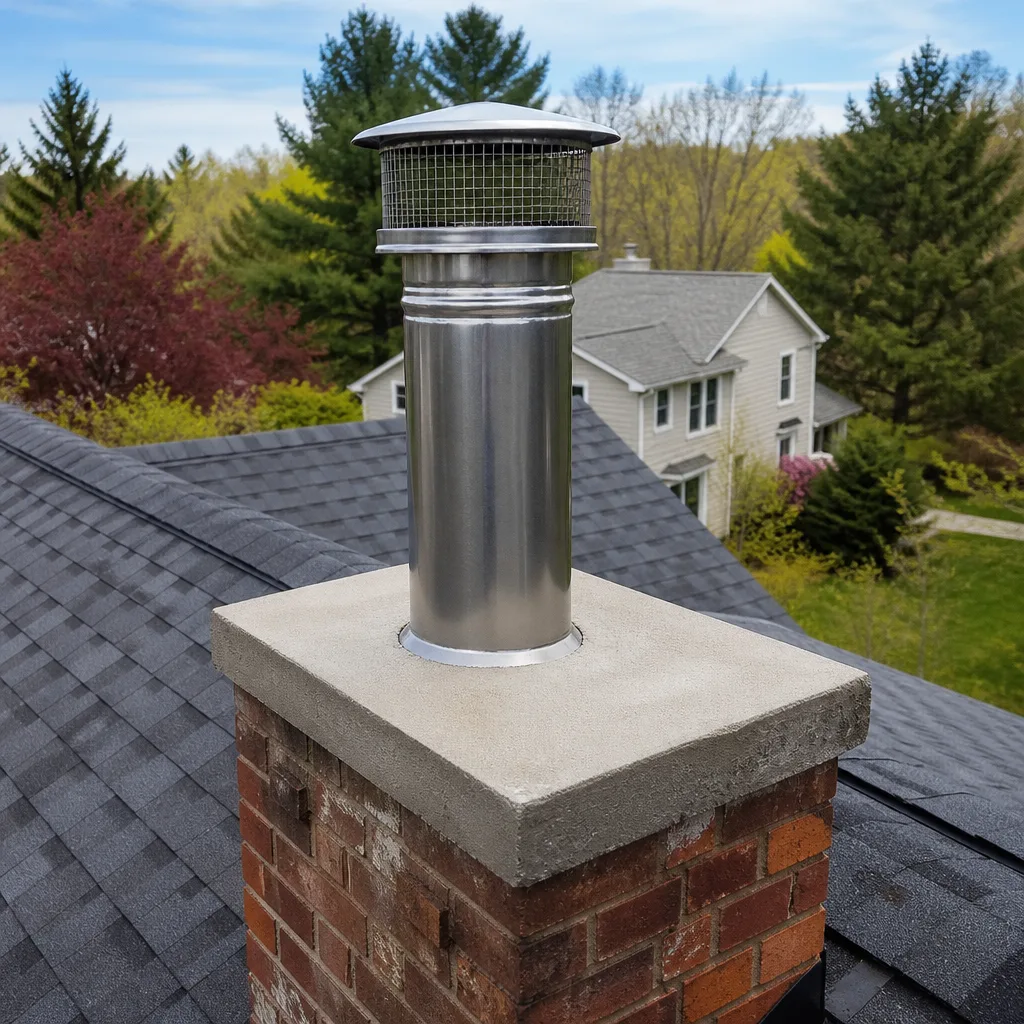
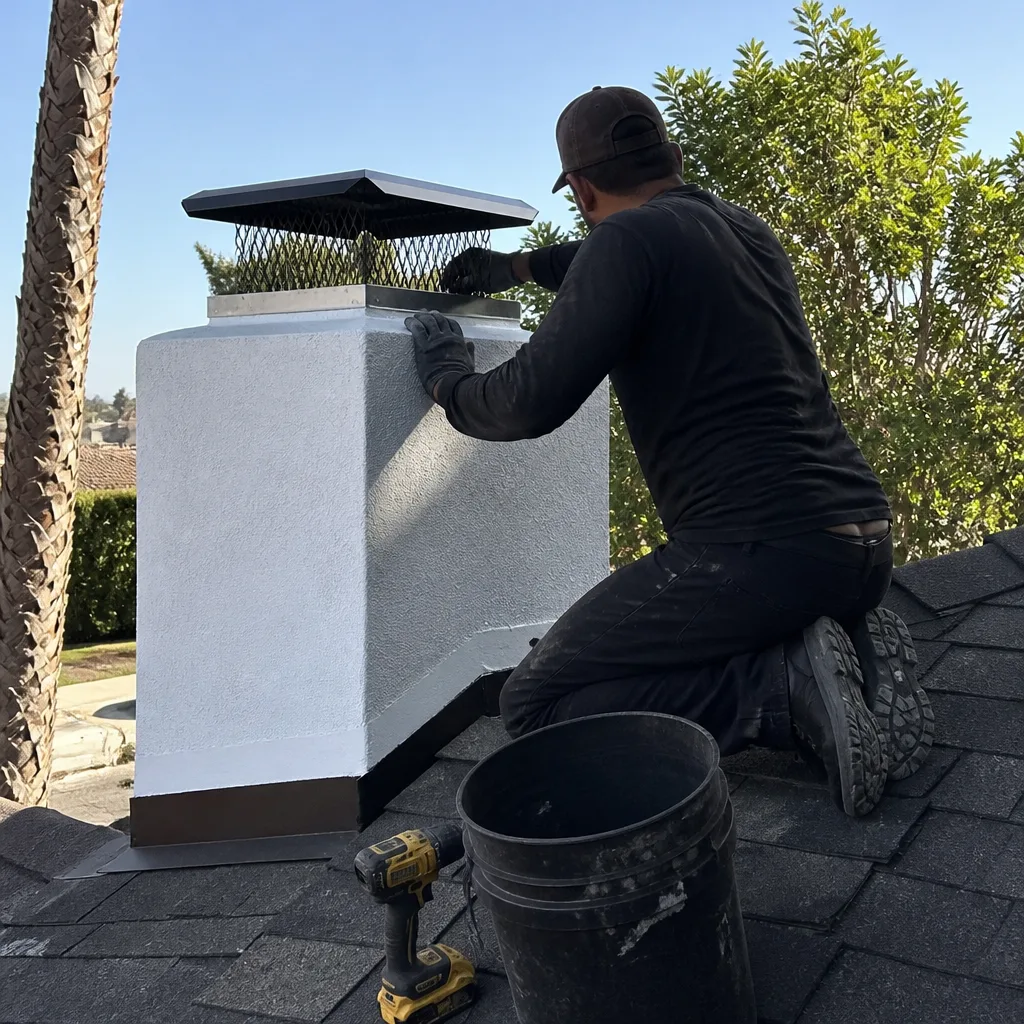
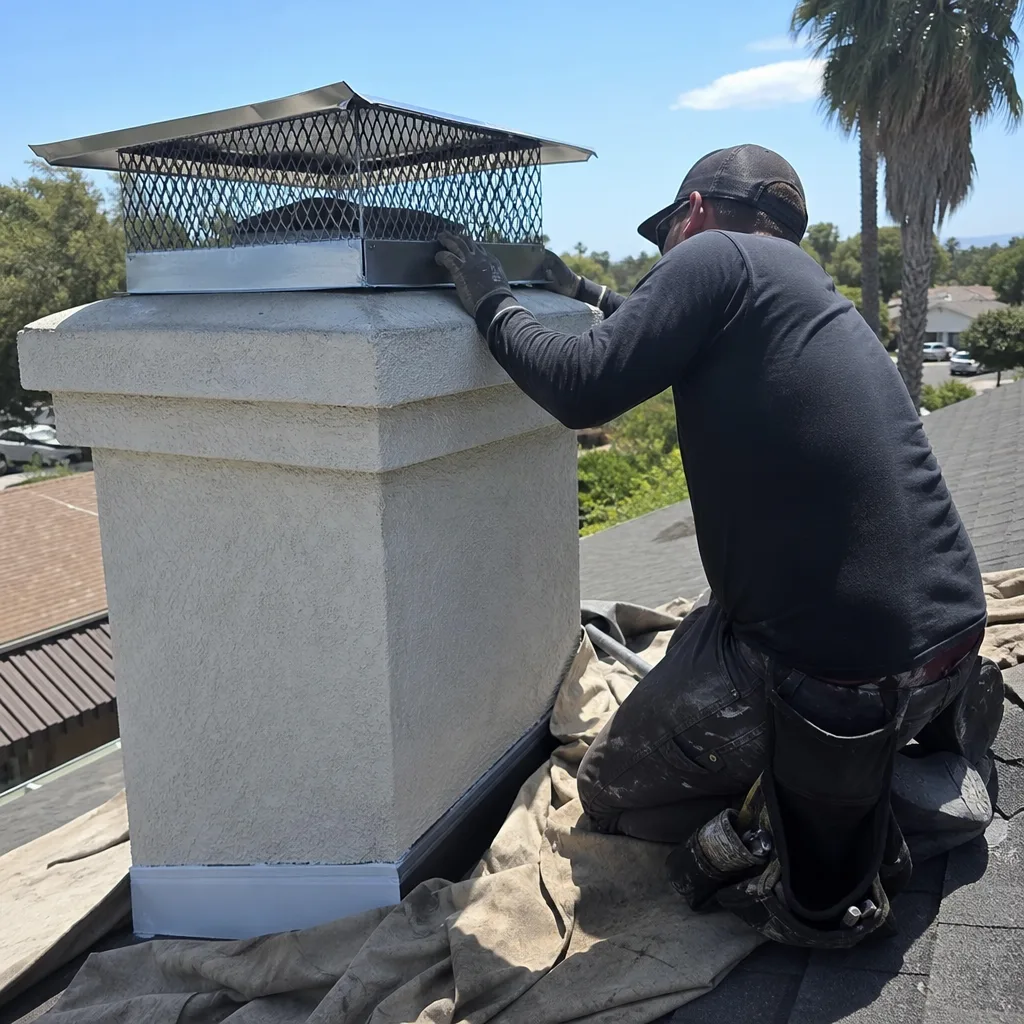
- Make sure the chimney cap has a solid roof. The cap keeps rain and debris out; the arrestor keeps embers out. Both matter. Gelco and Olympia Chimney manufacture the caps and arrestors we install for this exact purpose.
- Schedule a pre-season sweep if you’ve used the fireplace at all in the previous year. Even occasional use produces some creosote, and you don’t want it in the flue when ember season arrives.
- Clear the roof and gutters around the chimney. Dry leaves and pine needles on the roof can ignite from an ember that lands near the chimney, no flue entry required.
Wind-driven blockage is a separate but related issue. During high wind events, debris from nearby trees gets driven into flues that lack proper caps. We see palm fronds, eucalyptus bark, and entire bird’s nests deposited into open chimneys during Santa Ana conditions. If you have a wood-burning fireplace without a cap, the flue should be inspected after any severe wind event before the next use. A chimney sweep in Garden Grove can confirm whether your cap and arrestor are doing their job.
Emergency Contacts and Documentation Every Garden Grove Homeowner Needs
When a chimney emergency happens, the last thing you want to do is start searching for phone numbers and policy documents. The time to assemble this file is now, before fire season. The documentation you keep on hand will determine how smoothly your insurance claim goes and how quickly you can get a professional on site.
Here’s the emergency documentation pack we recommend to Garden Grove homeowners:
- Insurance policy number and claims phone line, stored as a photo on your phone and in a paper file. Note specifically whether your policy covers chimney damage from wind, seismic events, or fire, and whether it requires proof of maintenance.
- Your most recent chimney inspection report. If you don’t have one, that’s your first action item. Insurers routinely ask for maintenance documentation when processing chimney-related claims, and a inspection report from within the past year is the strongest evidence you can provide.
- Photos of the chimney exterior and firebox, taken today. A baseline record makes it easy to document what changed after an earthquake or fire event.
- The shut-off valve locations for gas appliances and the main gas line. Label them or photograph them. In an emergency, you don’t want to be tracing gas lines.
- A professional contact who can respond after-hours. Know the protocol for leaving a message with an emergency flag, and understand what an after-hours response looks like.
- Your local fire department non-emergency number. For chimney concerns that don’t require 911, the non-emergency line can advise you on whether to evacuate or wait for inspection.
When you speak with your insurer after a chimney event, be specific. Say “the chimney liner appears to have shifted during an earthquake” or “a fire occurred in the flue, not the structure.” The more precise your language, the faster the adjuster can categorize the claim. If you had a camera inspection before the event, reference it and offer to provide the report. Insurers see the difference between a maintained chimney and one that has never been inspected, and that difference affects claim outcomes.
What a Pre-Season Chimney Inspection Actually Checks
A pre-season chimney inspection in Garden Grove is not a quick visual scan. It’s a systematic check of every component from the firebox to the cap, looking for the specific failure patterns this region produces. When we inspect a chimney, here’s what we’re actually evaluating:
- Flue liner condition, using a camera scope to identify cracks, gaps, spalling, or shifted tiles. This catches earthquake damage that’s invisible from the firebox.
- Cap and spark arrestor integrity, including mesh size and attachment security, which matters for Santa Ana ember protection.
- Bird and animal intrusion, looking for nests, droppings, and entry points that indicate the cap system has failed.
- Damper function and seal, which affects both draft and energy efficiency.
- Firebox and smoke shelf condition, checking for cracks or damage that could allow heat into adjacent framing.
- Clearance to combustibles in the attic and around the chimney chase, which addresses code compliance and fire spread risks.
- Mortar joint condition on the exterior chimney, identifying water intrusion points before they become structural problems.
If we find liner damage, we don’t stop at diagnosis. Walnut Chimney has repair capability that most sweep companies don’t, including HeatShield ceramic resurfacing for damaged flue interiors and DuraFlex liner installation for full relining. That means one company handles the inspection, the diagnosis, and the repair using the right material for the specific problem. We’re not referring you to a separate contractor and hoping the handoff goes smoothly. That’s the full-stack chimney and vent safety model: Chimney Repair in West Athens covers the scope of what we can address in a single service relationship.
For Garden Grove homeowners preparing for fire season, a pre-season inspection is the single highest-value action you can take. It identifies the specific risks your chimney faces, documents baseline condition for insurance purposes, and lets you address small problems before they become emergency calls.
Common Mistakes to Avoid
- Assuming no wood burning means no chimney risk. Gas appliances still depend on a clear, intact flue, and Garden Grove’s earthquake and wind profiles create hazards that have nothing to do with creosote.
- Skipping an inspection after a minor earthquake. A 3.5 tremor can cause liner damage that won’t announce itself until the chimney is in use. The exterior looking fine proves nothing about the interior.
- Using a fireplace with a damaged spark arrestor during Santa Ana conditions. An ember in the flue is a slow-developing fire that often flares hours after the wind event. Repair the arrestor before fire season, not after.
- Ignoring a musty smell from the chimney. That odor often signals a blocked flue or water intrusion, both of which get worse with time. A blocked gas flue is a carbon monoxide risk.
- Not keeping inspection records. When an insurance claim happens, documentation is the difference between fast approval and a contested claim. Keep every report.
- Waiting until fire season to schedule service. The best time for a Garden Grove chimney inspection is spring or early summer, before the heat and before Santa Ana season. Schedule when demand is low and availability is high.
- Patching visible exterior cracks without checking inside. Surface repairs on brick or stucco don’t address liner damage. The part that keeps you safe is the part you can’t see.
When to Call a Professional
Any suspected chimney fire requires a professional inspection before the fireplace is used again. Even a small fire can compromise the liner, and a compromised liner is invisible without a camera. The same rule applies after any earthquake of magnitude 3.5 or higher: if you haven’t had a post-tremor camera inspection, treat the chimney as out of service. If you smell gas or exhaust inside the house while a gas fireplace is running, shut off the appliance, ventilate, and call for inspection that day. Any visible cap or arrestor damage during Santa Ana season should be addressed before the next wind event. Walnut Chimney offers free estimates in Garden Grove – call (855) 341-3461 to schedule a pre-season inspection or to discuss any chimney concern you’re seeing.
Frequently Asked Questions
Once a year is the standard for any fireplace that’s used at all, even occasionally. For gas appliances, an annual inspection is still recommended to check for blockages, liner integrity, and cap condition. Garden Grove’s bird activity and wind events mean flues can develop problems even without active use, so an annual check is the safe baseline. Call (855) 341-3461 to schedule an inspection before the season turns.
Yes. A chimney cap with an intact spark arrestor does multiple jobs in this climate: it keeps birds from nesting, prevents rain and debris from entering, and blocks wind-driven embers during Santa Ana conditions. For Garden Grove homes, a missing cap is an invitation for both nuisance blockages and genuine fire risk. The cap you choose should be sized to your flue and installed securely enough to survive 70 mph winds.
Close the damper or air intake to cut oxygen, evacuate the house, call 911 from outside, and shut off gas to the appliance if you can reach the valve safely on your way out. Do not attempt to extinguish the fire with water inside the firebox, and do not re-enter the home until firefighters confirm the fire is out. After the event, the chimney is out of service until a professional camera inspection.
Signs include a sulfur or burnt-air smell near the fireplace while it’s running, yellow and lazy flames instead of blue, soot appearing on the glass or surrounding wall, and headaches or nausea that improve when you leave the room. If you notice these signs, shut off the appliance at the unit switch and the gas valve, ventilate the house, and call for inspection before using the fireplace again.
Yes. The clay tile liners inside chimneys are brittle, and even modest ground movement can crack or shift them. The damage is internal and invisible from outside, which is why a camera inspection after any significant tremor is the only reliable way to confirm the chimney is safe. In Garden Grove, we treat post-tremor inspections as standard practice, not an optional precaution.
Skipping inspection means a blocked flue can go undetected until it backdrafts carbon monoxide into your home, or a damaged liner can allow heat and gases into the wall cavity during normal use. The risks are not hypothetical; they’re the slow-developing conditions that become emergencies. Garden Grove’s specific profile of bird blockages, seismic movement, and wind-driven debris means skipping inspection is a gamble with a short clock. Call (855) 341-3461 for a free estimate and get the chimney checked before it becomes an urgent call.
The Bottom Line
Chimney emergencies in Garden Grove don’t look like the chimney fires in national safety videos. They’re quieter, slower to develop, and often invisible: a blocked gas flue on a cold evening, a hairline liner crack from a minor earthquake, an ember that finds its way past a rusted arrestor during a Santa Ana wind. The common thread is that preparation beats reaction every time. An annual inspection with a camera scope, a maintained cap and arrestor, documented records for your insurer, and a clear understanding of what to do in the first minutes of an emergency: these are the tools that keep a Garden Grove chimney safe. Explore our more guides & resources for year-round chimney care. If yours hasn’t been checked recently, now is the right time. Call (855) 341-3461 and we’ll take a camera to it before fire season does.
Written by the team at Walnut Chimney, serving Garden Grove since 2017.
See the difference
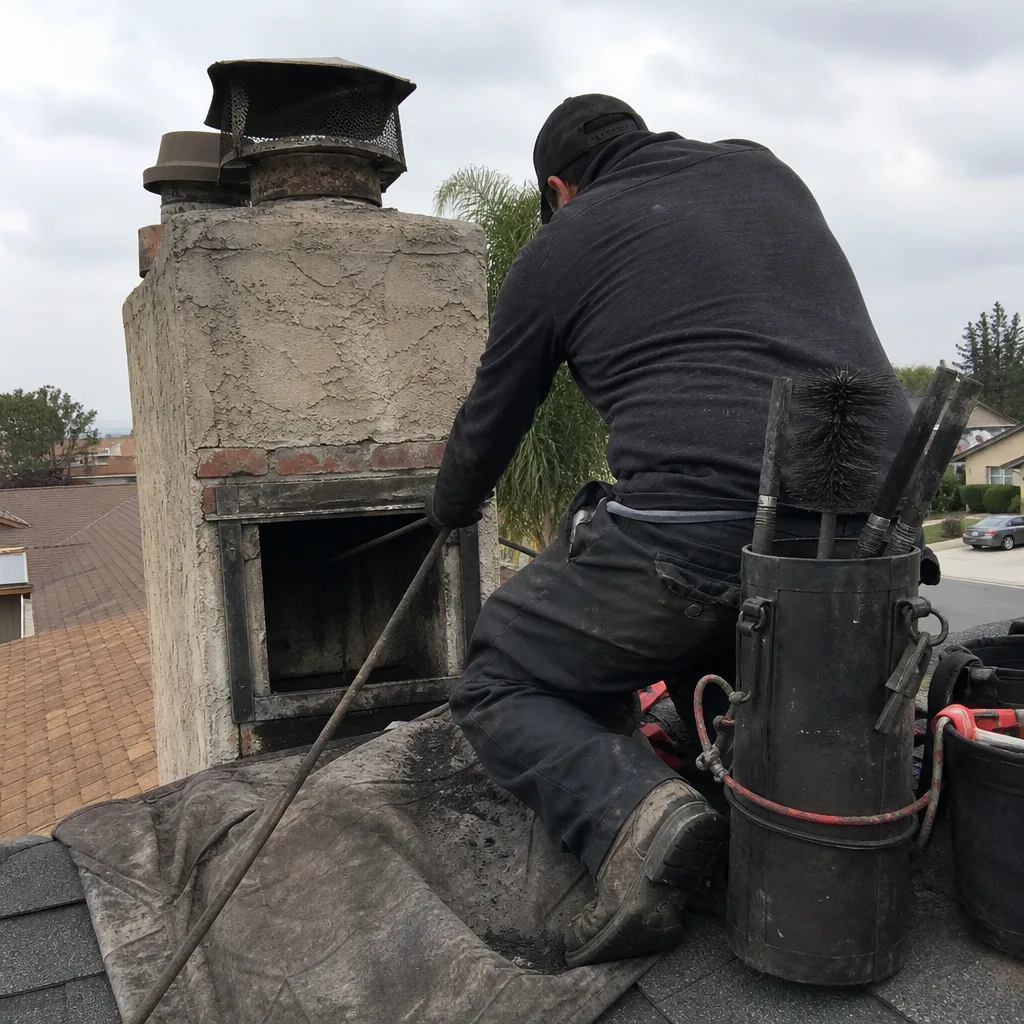 Before
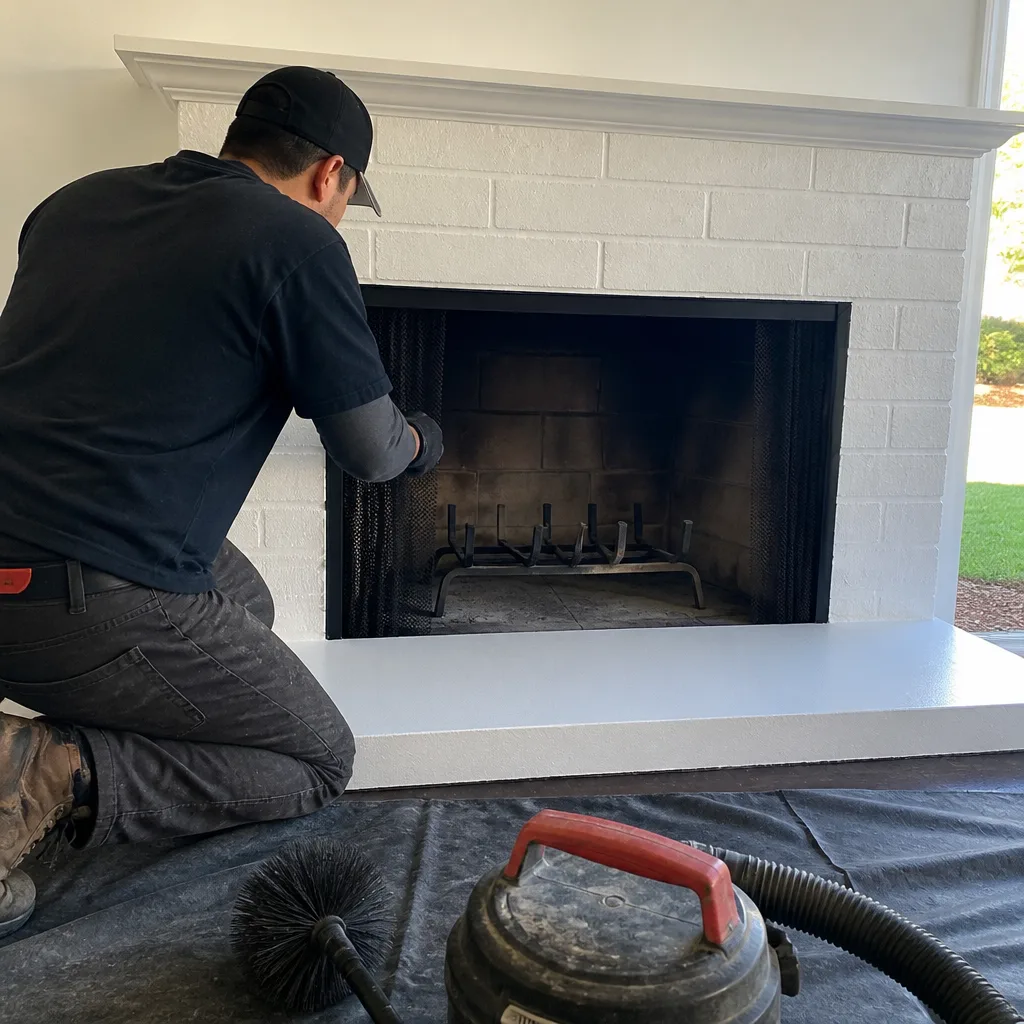 After
 Before
 After
 Before
 After